
Quick Summary

- AI facial recognition attendance leverages machine learning to accurately identify employees, preventing fraud like buddy punching and GPS spoofing.
- The system streamlines operations by automating attendance tracking, reducing paperwork, and integrating with HR and payroll systems.
- Geo-tagged attendance records enhance compliance and auditability, providing clear evidence for payroll audits and internal checks.
- Implementing AI facial recognition can significantly improve workforce accountability, reduce payroll discrepancies, and boost overall productivity in field operations.
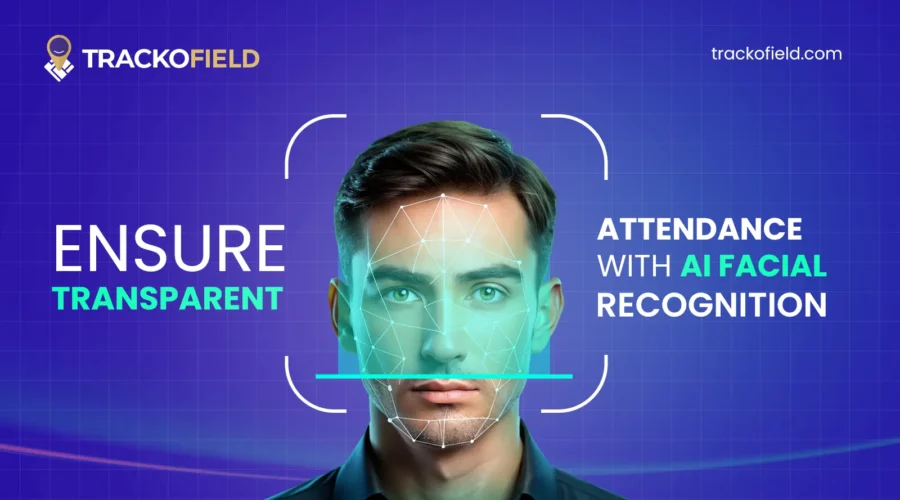
Ensure transparent attendance and eliminate fraud before it even starts with AI facial recognition and geofencing.
Attendance fraud in field operations is both common and costly. Buddy punching, GPS spoofing, reused selfies, and similar tricks silently inflate payrolls, distort performance data, and affect customer service.
This is especially common in manual attendance management via paper punch cards, texts and calls. These methods are not practical in the modern day anymore.
But imagine if your employees could mark attendance instantly and accurately from anywhere. Plus, you could check their exact mark-in location and time. It would ensure transparent attendance reporting and eliminate malpractices from your business.
Sounds too good to be true? Well, AI facial recognition and geofencing can make it possible.
Check out this blog to know how these technologies work.
What is AI Facial Recognition Attendance?
AI facial recognition attendance refers to systems that identify and verify employees by analysing facial features using machine learning models. The process typically involves three stages:
1. Registration
The employee’s face scan is captured and securely stored.
2. Live check-in
The app captures a live image or video and compares it with the stored template.
3. Verification
The system applies liveness checks like face mapping, and other contextual validations, such as geofence presence, before marking attendance.
Why You Need AI Facial Recognition and Geofencing
Here are three core reasons that justify the adoption of a field force management tool with AI facial recognition and geofencing.
1. Fraud Prevention
Buddy punching and photo spoofing are common and expensive frauds in most businesses. In the US alone, buddy punching results in a loss of $373 million to businesses annually.
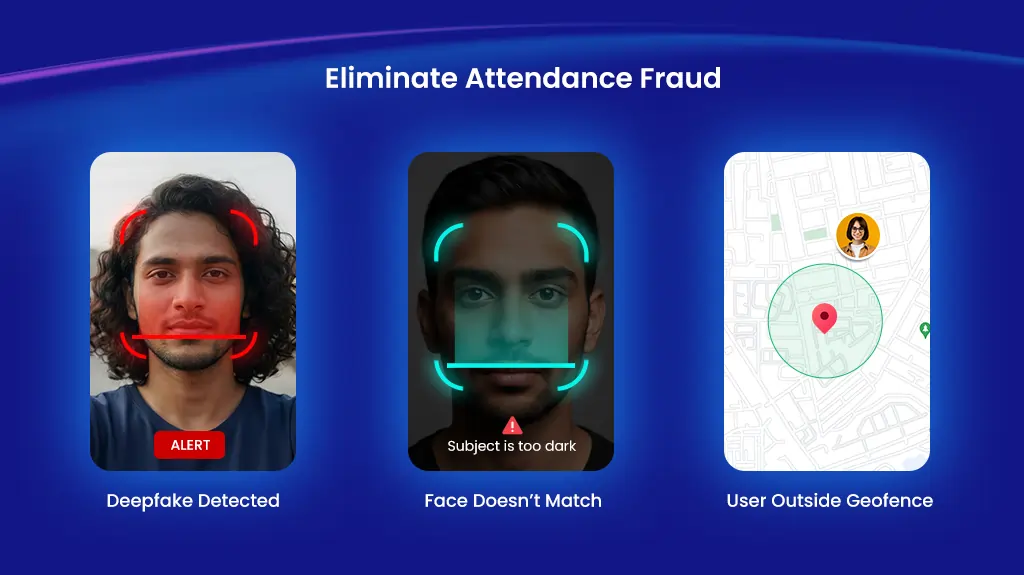
Facial recognition, combined with geofence verification, ensures the person marking attendance is the registered employee and is physically at the required location.
2. Simplified Operations
Automated face capture removes paperwork, manual reconciliation and the need for supervisors to verify many timesheets. Integration with payroll and HR systems streamlines approvals and reduces human error.
3. Compliance and Auditability
Geo-tagged timestamps and immutable audit logs simplify payroll audits, statutory reporting and internal compliance. Digital trails provide evidence for dispute resolution and regulatory checks.
Eliminate attendance fraud
Key Benefits of AI Facial Recognition and Geofence Attendance for Businesses
1. For Employees
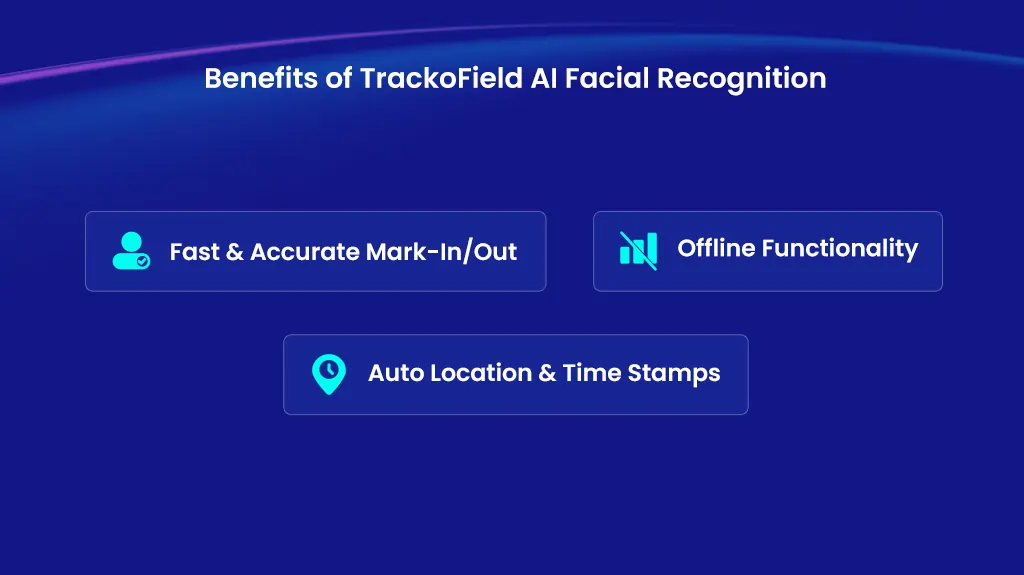
AI facial recognition makes attendance quick and accurate. Since the system checks a person’s face, there is no chance of datacenter proxy attendance or shared IDs. Check-ins become faster, which ensures employees can get to work quickly.
Field staff can also mark their attendance from wherever they start their day. They do not need to travel to the head office, which is very useful for teams working in remote or spread-out areas.
2. For Customers and Community Groups
In sectors like NBFCs, MFIs and agri-input sales, staff often meet customers or community groups in the field. With face-verified attendance, these visits can be recorded during SHG or JLG meetings for clear proof of work.
The same applies during loan disbursements, training sessions or product demos. Each visit gets a time, location and client attendance record. This builds trust, prevents false reports and reduces repeat visits.
3. For Auditors and Managers
Geo-tagged attendance makes it easy for managers and auditors to check who visited which place and at what time. This creates a simple and reliable record for reviews.
If there are complaints or missed visits, managers can look at past routes and time logs to understand what happened. This helps find problems quickly and improves overall workforce accountability.
Benefits of TrackoField AI Face Recognition
Checklist of Features to Consider When Choosing GPS Attendance Tracking App
1. Liveness Detection
There is no point to face recognition attendance if it can be fooled by masks or video selfies. That’s why pick a solution that offers liveness detection to eliminate deepfakes and other face spoofing methods.
2. Offline Capability
Field teams often operate where networks are unreliable. The system should support offline face matching that runs on-device, synchronising securely when connectivity returns.
3. Data Security & Encryption
Encrypt facial templates at rest and in transit. Use role-based access control and audit trails to limit who can view or export attendance data. Avoid storing raw images unless necessary, and if you must, protect them with strict retention policies.
4. Integration With HR & Payroll
Seamless integration avoids manual exports. Map attendance states to payroll rules such as overtime, grace periods and allowances. Provide reconciliation dashboards for payroll teams.
5. User Experience & Rollout
Keep the interface simple and localise it for field staff. Offer lightweight training and contextual help. A phased rollout, starting with a pilot group, helps surface edge cases and builds trust.
Legal and Privacy Concerns to Consider When Using Face AI Attendance System
1. Consent & Transparency
Inform employees about what data is collected, how it is used, who can access it and how long it is retained. Obtain explicit consent where required. Present a clear attendance policy that explains when tracking is active and how to raise concerns.
2. Regulatory Compliance
Different jurisdictions have varied rules. In many regions, biometric data is considered sensitive and special safeguards apply. Ensure your work policy is aligned with local laws.
3. Minimise Data Retention
Store the minimum required data, delete templates when employment ends and use anonymised aggregate data for analytics. Retain raw images only if absolutely necessary and for a strictly limited period.
Impact and ROI of Implementing Field Employee Attendance App
Here are key performance indicators to monitor when using a field employee attendance app:
- Reduction in payroll leakage, measured as a percentage drop in disputed or corrected payouts.
- Improved on-time arrival rates and reduced idle time.
- HR and payroll save time on manual checks.
- Increase in verified visit completion rate for field tasks.
Typical ROI Examples
Organisations often see measurable benefits within months. For example, it eliminates buddy punching and time theft to reduce payroll discrepancies substantially.
Plus, savings from reduced supervisory role and fewer payroll disputes compound over time. Route optimisations and better attendance data can also increase productive visits per agent, raising revenue without increasing headcount.
Many businesses, especially in NBFCs, can see a significant boost in loan collections due to increased staff productivity and attendance verification of employee/customers.
Challenges in Implementing Face Recognition Attendance for Field Staff
It’s never easy to adapt to changes, especially as transformative as face AI attendance. You may face issues like:
1. Evolving Attack Methods
Attackers may attempt sophisticated spoofing. Counter measures include multi-factor liveness detection, randomised face recognition challenge prompts and AI-powered spoofing detection.
2. False Positives & Exclusion Errors
No GPS employee attendance system is perfect. Allow fallback mechanisms such as manual verification by a supervisor, backed by a documented exception workflow. Regularisation requests or mark-in as unrecognised options should also be there as exceptions in valid cases.
3. Employee Pushback
Employee resistance can stem from fear of surveillance. So, be transparent about purpose, usage boundaries, and retention. Involve employee representatives in policy design.
Conclusion
AI facial recognition with geofencing gives businesses a reliable and fraud-proof way to manage attendance. It eliminates common fraud, reduces manual work, and boosts staff productivity.
Companies that adopt these tools wisely can expect more accurate payrolls, fewer administrative hassles and a more accountable field workforce. You also get offline functionality and seamless integration with your HR and payroll solutions.
TrackoField is one such field employee attendance app. You can book a free demo to know how it can benefit your business.

FAQs
-
What is AI facial recognition attendance?
It is a feature to identify employees by analysing their facial features. Integrated in GPS employee attendance apps, it uses liveness checks and geofencing to confirm that the employee is real and present at the correct location.
-
Can AI attendance work without internet?
Yes. Modern field employee attendance apps use on-device face matching. This allows employees to mark attendance even in low-network or remote areas.
-
What results can businesses expect from AI attendance?
Most companies see lower payroll losses, fewer disputes, better punctuality and higher productivity within a few months.
-
How does AI stop attendance fraud?
AI facial recognition prevents buddy punching, photo spoofing, GPS tricks and fake check-ins by using multiple liveness tests and strict location checks.
-
Is facial recognition attendance legal and privacy-friendly?
Yes, as long as companies follow proper rules for consent, data encryption, data retention and transparency based on local laws.

Mudit is a seasoned content specialist working for TrackoField. He is an expert in crafting technical, high-impact content for Field force management software With years of experience rooted in the me... Read More


Related Blog
Field Worker Safety: Complete Guide to Protect Field Staff
Wondering how to ensure field worker safety? You are in the right place. This blog explores the key risks in…

Sales Territory Management: 6 Best Practices for High-Performing Teams
Poor sales territory management can quietly stifle sales growth. Understand how companies can create high-performing territories.
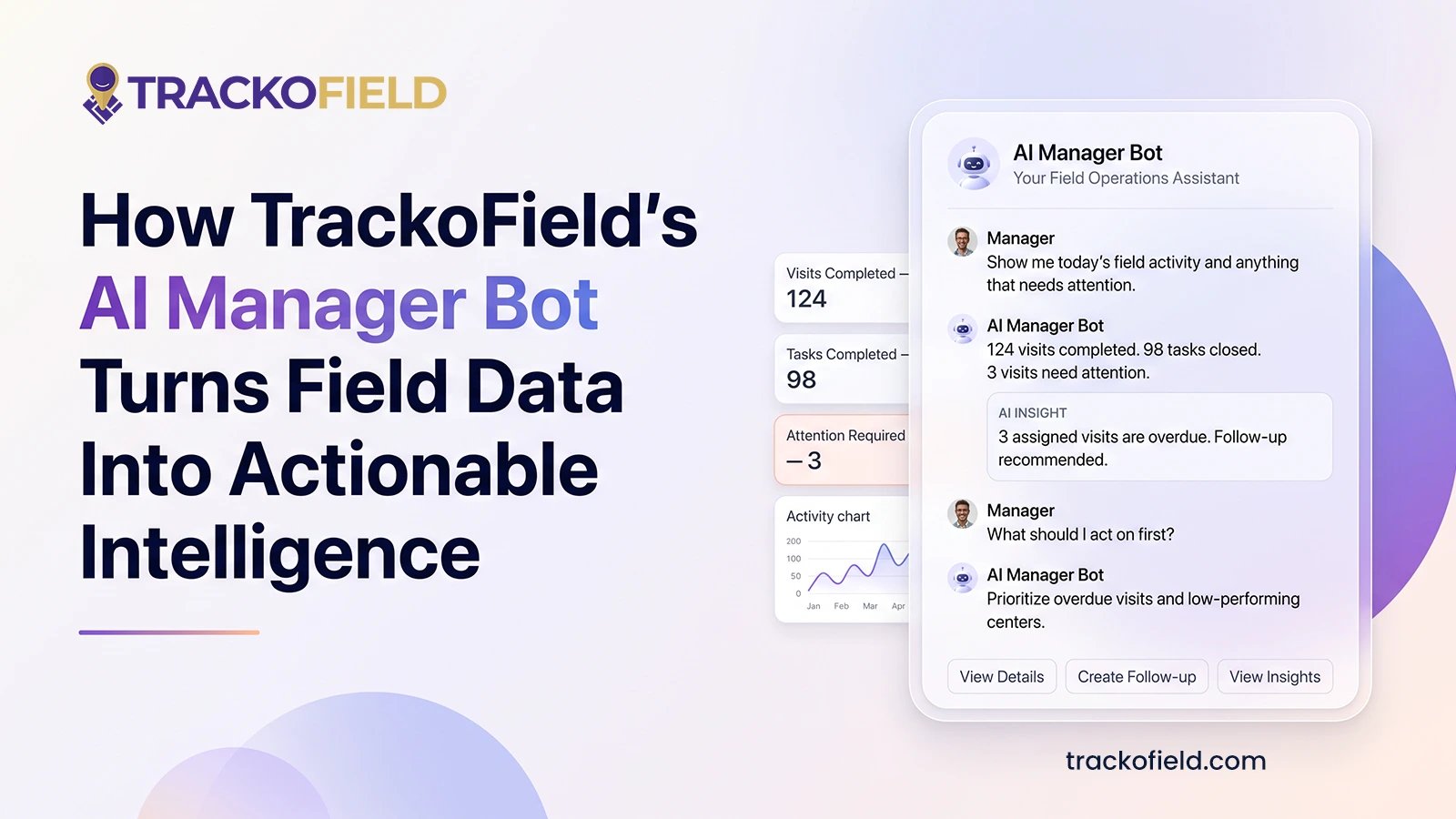
TrackoField’s Manager Bot: Bringing the Future of Field Force Intelligence to You Today
TrackoField’s AI Manager Bot transforms field force management into field force intelligence by turning operational data into instant AI-powered insights.
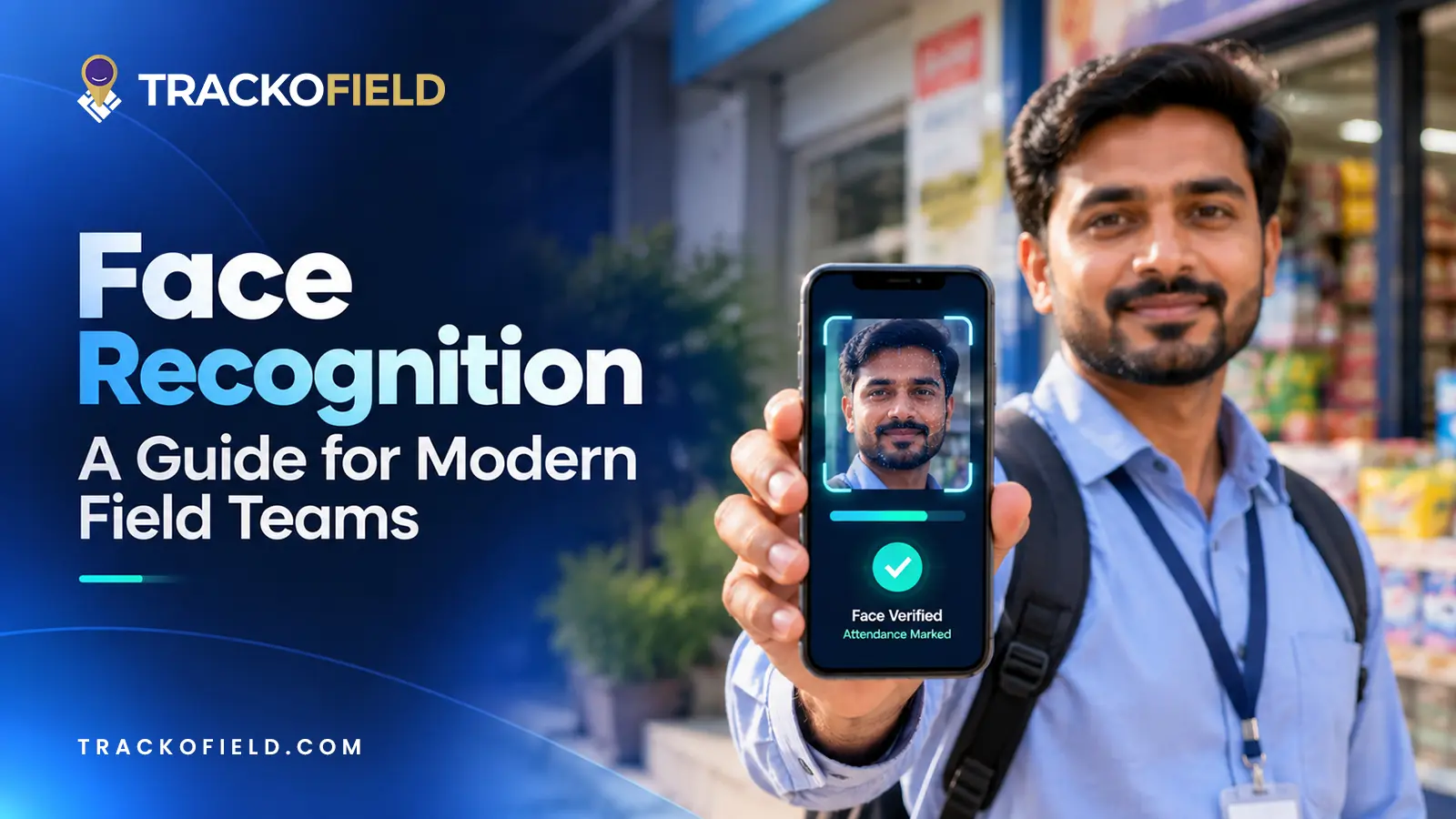
Face Recognition: What It Is, How It Works & Benefits for Field Teams
Facial recognition is a way of identifying or confirming an individual’s identity using their facial features. Read this guide to…


Your inbox awaits a welcome email. Stay tuned for the latest blog updates & expert insights.
"While you're here, dive into some more reads or grab quick bites from our social platforms!"Stay Updated on tech, telematics and mobility. Don't miss out on the latest in the industry.