
Expert Insights on Fleet, Field Force & Delivery Management
-
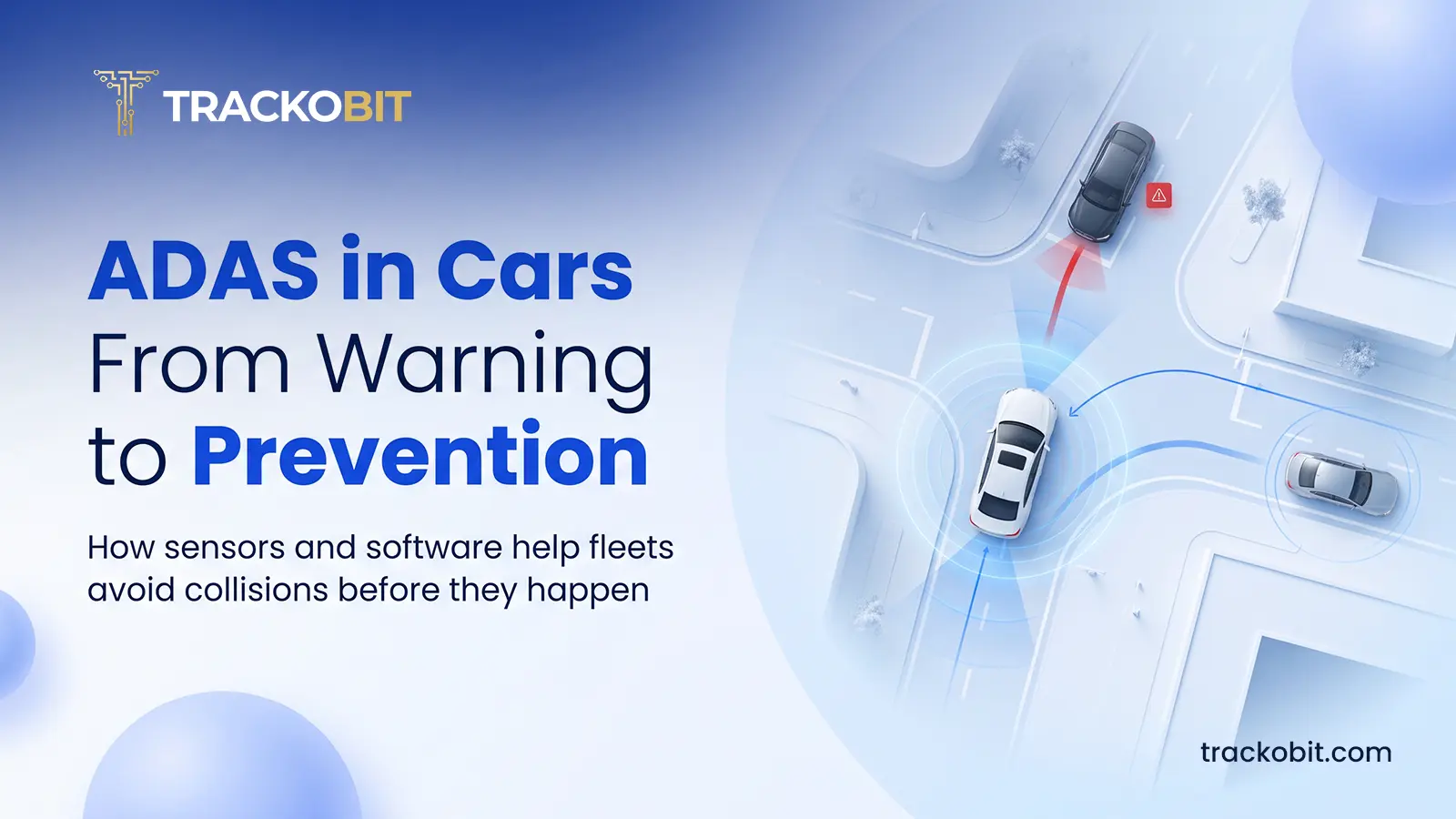
ADAS System in Cars: How It Works and Why It Matters
ADAS road safety system is a technology that uses sensors and software to detect danger and alerts the driver to prevent accidents.
-
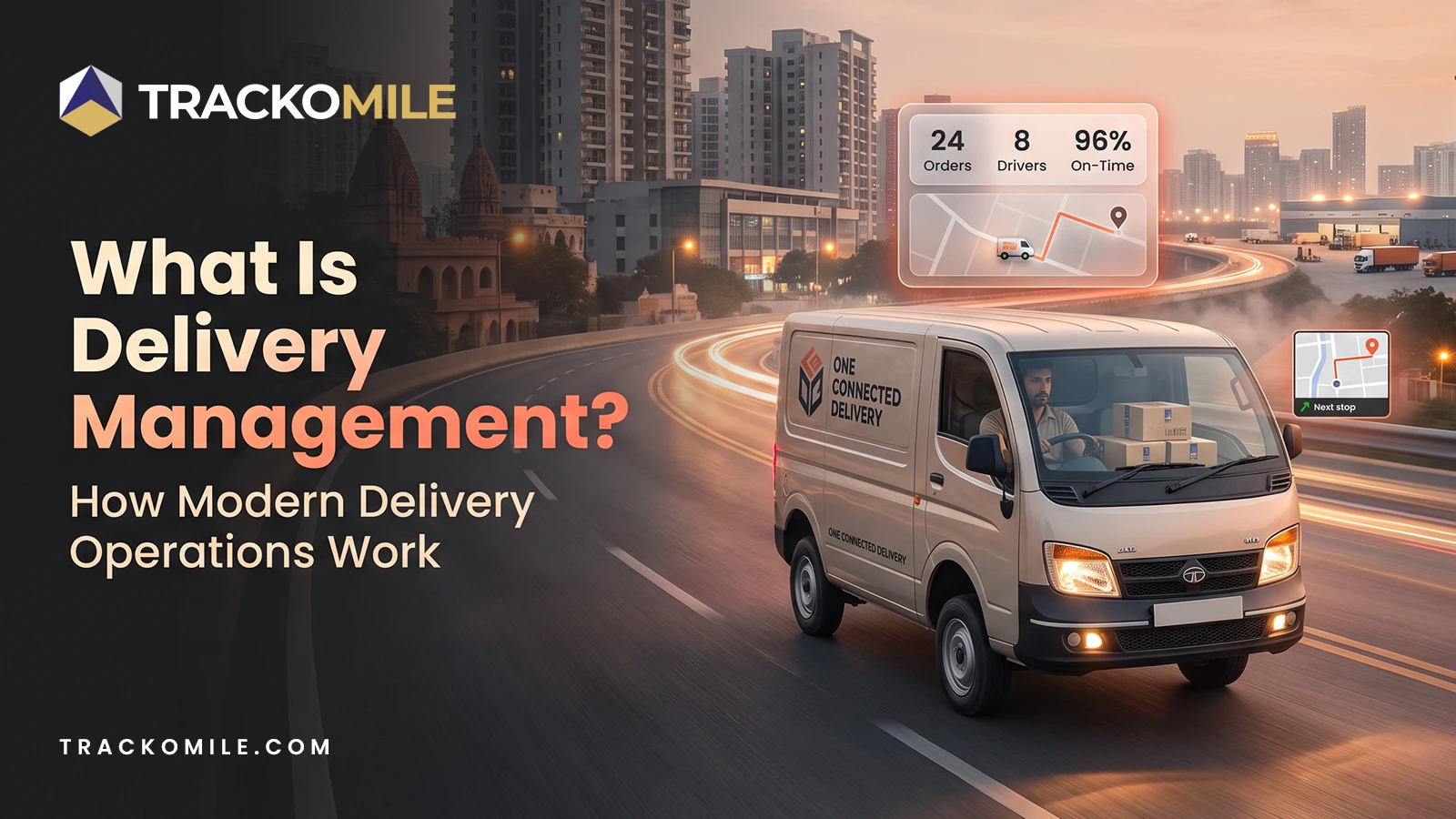
What Is Delivery Management? Process, Challenges & Best Tools
Delivery management streamlines order allocation, route optimisation, dispatch, and tracking to reduce costs, improve efficiency, and boost customer experience.
-

Sales Territory Management: 6 Best Practices for High-Performing Teams
Poor sales territory management can quietly stifle sales growth. Understand how companies can create high-performing territories.
-
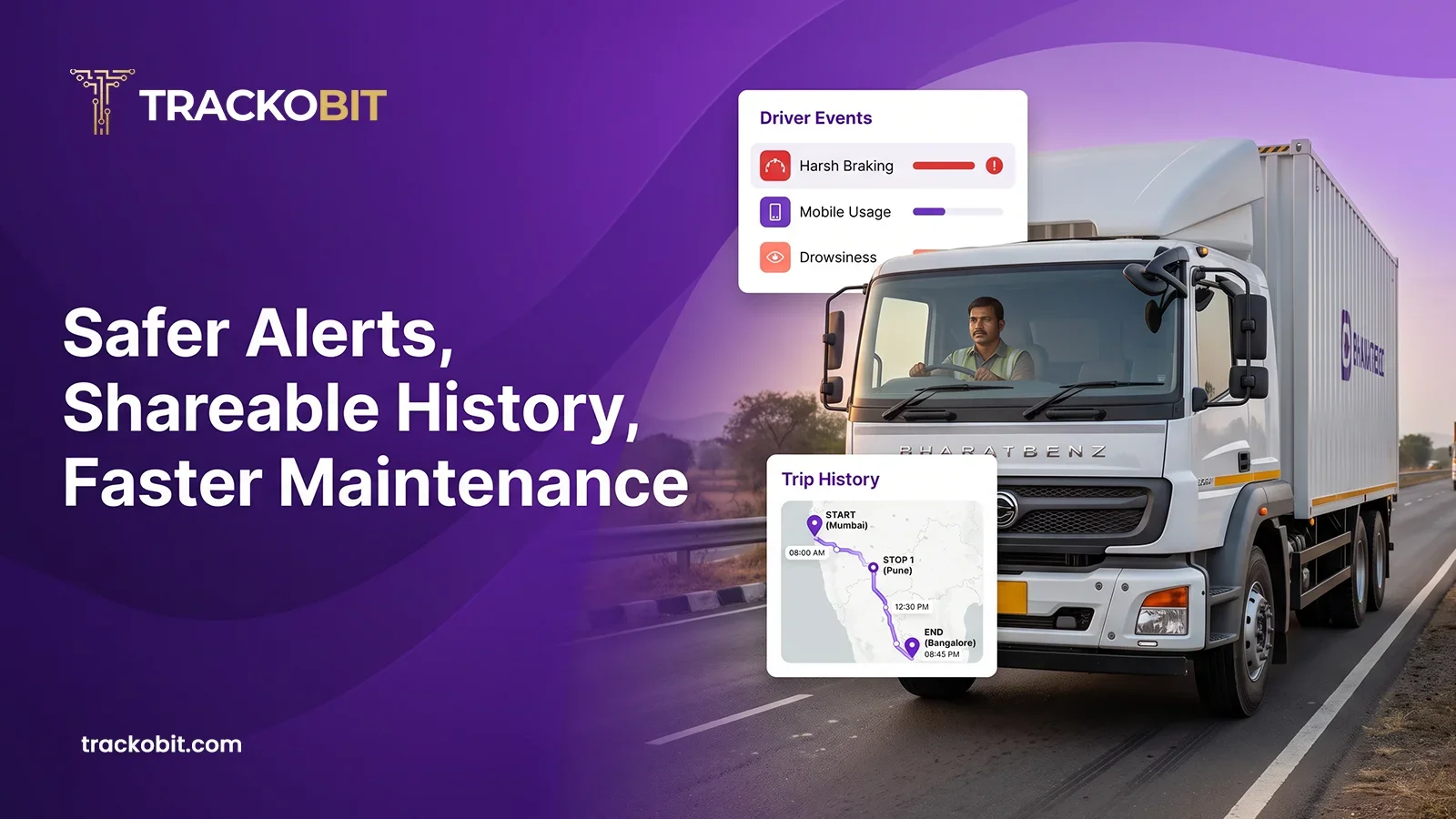
Safer Alerts, Shareable History, Faster Maintenance in TrackoBit
TrackoBit now adds an Evidence Model and authority-based access for ADAS and DMS alerts in video telematics, Vehicle History Sharing through a URL, and bulk Excel upload for Service & Maintenance, with Current Odometer, Kilometres Left and Days Left columns.
-
Building Resilient Delivery Operations with TrackoMile in 2026 and Beyond
Logistics businesses build resilient delivery networks with TrackoMile. But how exactly? With real-time route optimization, automated scheduling, and end-to-end fleet visibility.
-
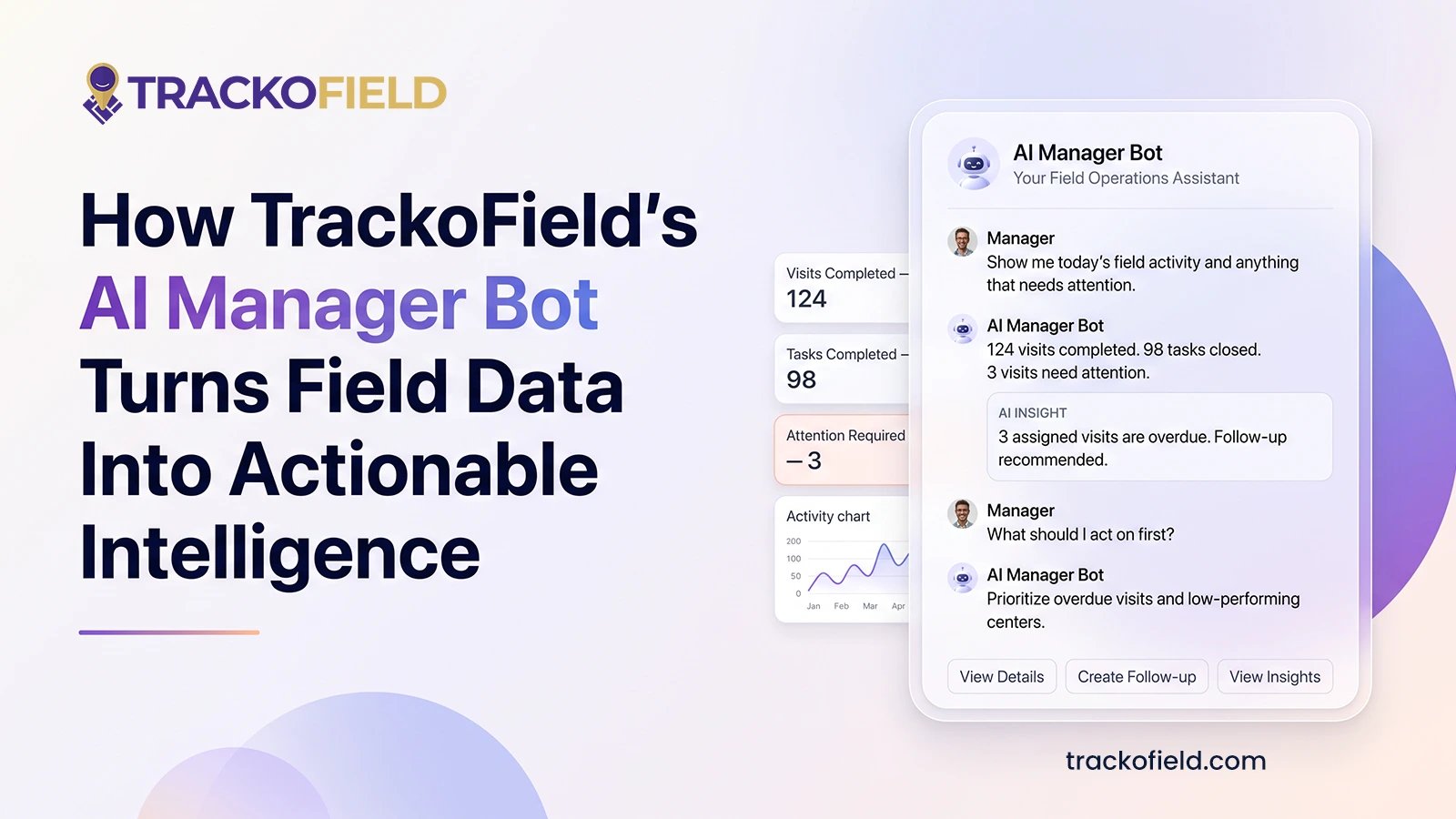
TrackoField’s Manager Bot: Bringing the Future of Field Force Intelligence to You Today
TrackoField’s AI Manager Bot transforms field force management into field force intelligence by turning operational data into instant AI-powered insights.
-
Fleet Management Requirements: The Complete Guide for 2026
Every wondered what exactly fleet management requirements are? Or, why do they matter? This guide helps you understand in detail.
-

Face Recognition: What It Is, How It Works & Benefits for Field Teams
Facial recognition is a way of identifying or confirming an individual’s identity using their facial features. Read this guide to know in detail.
-
7 Fleet Management Best Practices Every Fleet Manager Needs
Learn 7 fleet management best practices to improve safety, vehicle utilization, efficiency, and fleet performance in 2026.
Trending Topics
-
Decode Driver Performance with TrackoBit’s BRAG Reports
TrackoBit’s BRAG Report simplifies fleet data and driver behavior. It improves performance, reduces risks, and speeds up decisions.
(more…) -
Last Mile Delivery Management: A Guide to Optimize Delivery
Last mile delivery management helps businesses to optimize routes, improve delivery efficiency, and maintain real-time visibility. Here’s how logistic managers can take control.
(more…) -
12 Best Fleet Management Companies in 2026: A Detailed Guide
Are you looking for the best fleet management companies? You’re in the right place. This guide offers a complete breakdown to help you choose the right one.
(more…) -

Field Staff Management: Definition, Benefits & Best Software To Use
Discover how field staff management streamlines field operations and boosts productivity with real-time tracking, automation, and smarter decision-making.
(more…) -

Center Management Module: Now Live in TrackoField
Simplify MFI operations with TrackoField’s center management. Manage JLG centers, groups, and members for payment discipline and scalable growth.
(more…) -
Driver Tracking: Complete Guide for Fleet Managers
Driver tracking is an effective way of improving fleet operations and increasing accountability. It also makes management more efficient. Learn its benefits, challenges, and more.
(more…) -
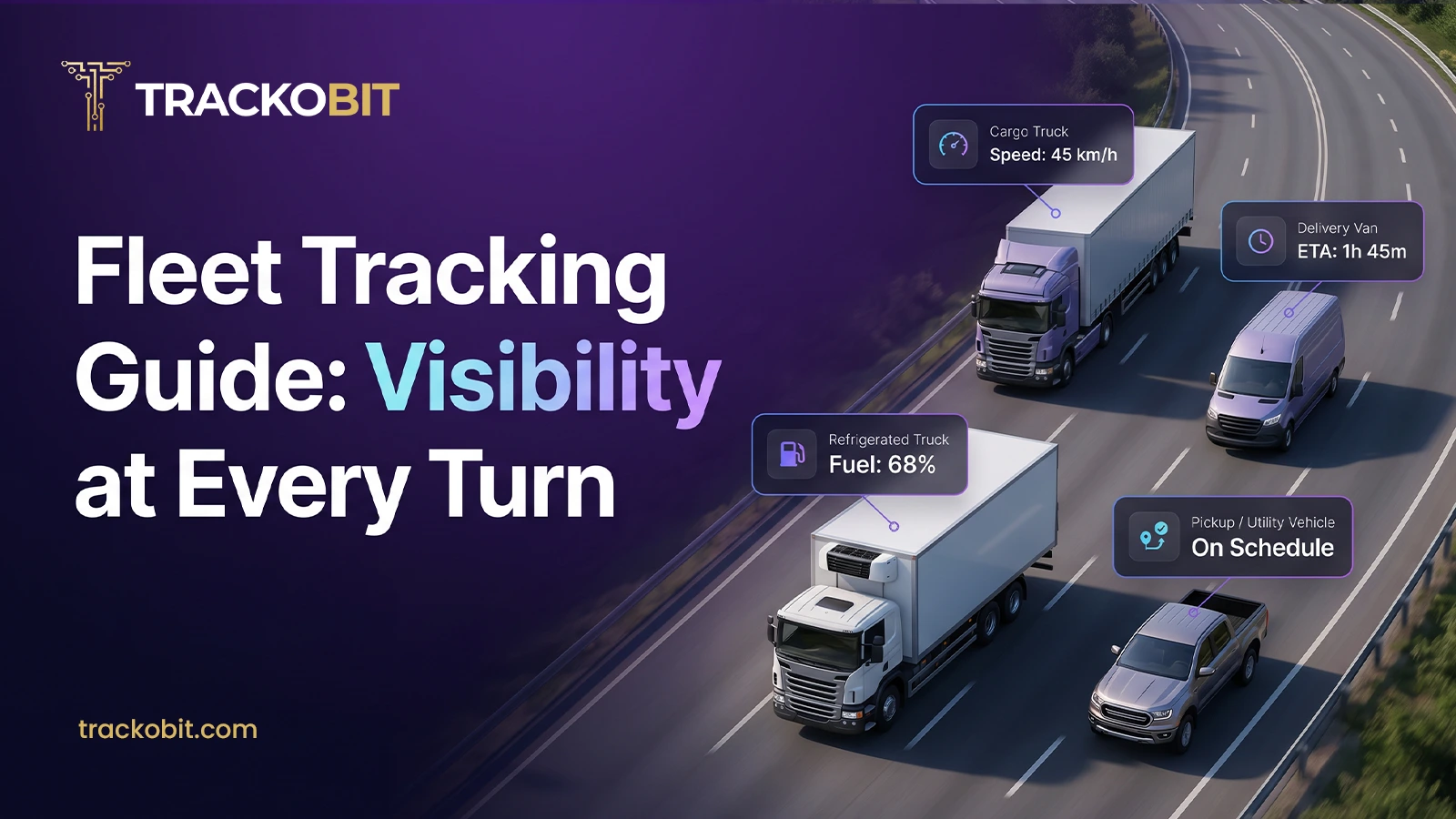
What is Fleet Tracking? How It Works & Why Businesses Use It
Fleet tracking allows businesses to track and manage vehicles, assets, and drivers in real time. Read this blog to know in detail.
(more…) -
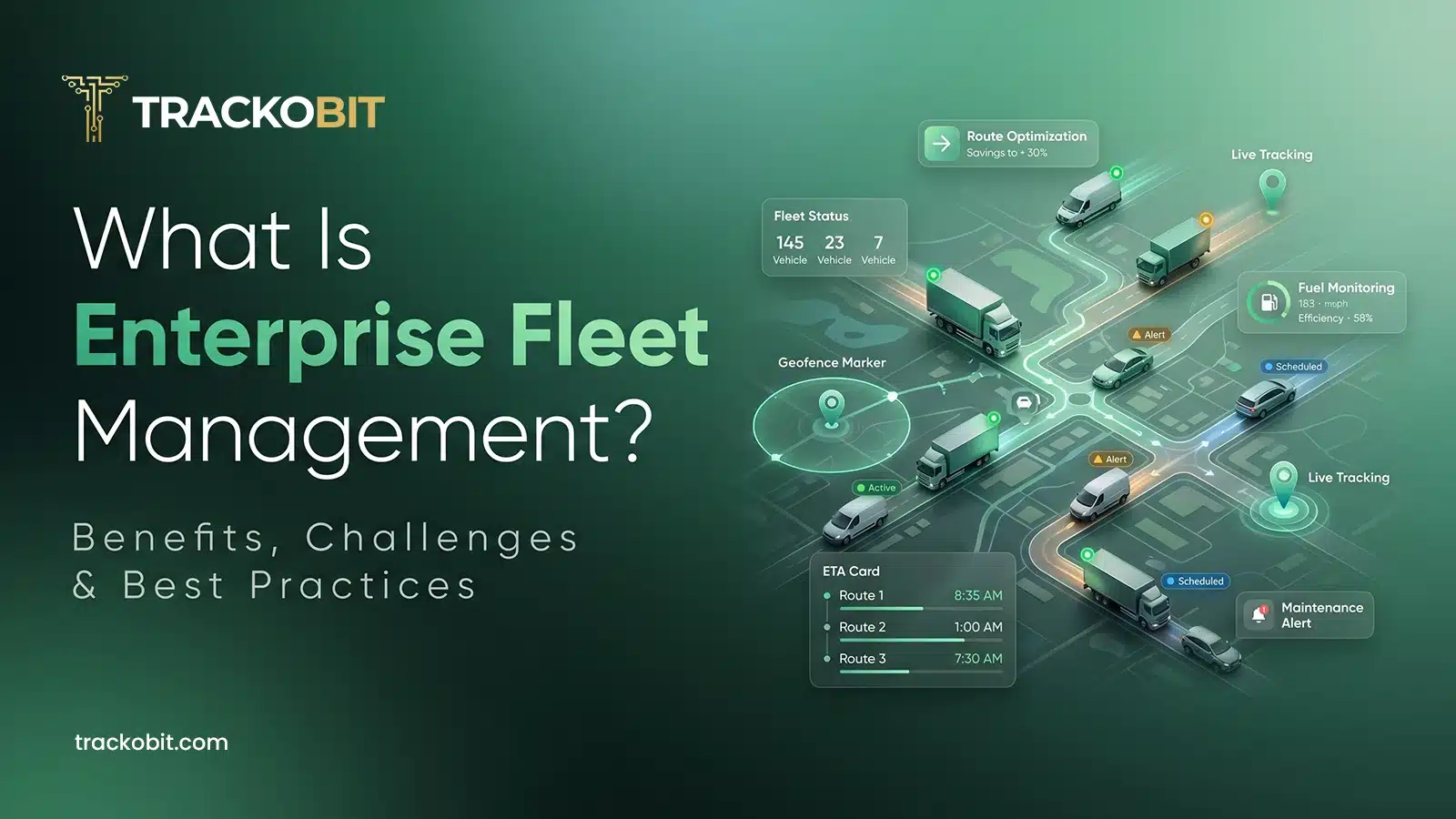
Enterprise Fleet Management: A Guide for Large Fleet Businesses
Enterprise fleet management is a must. This is because large fleets require optimized planning and centralized dashboards.
(more…) -
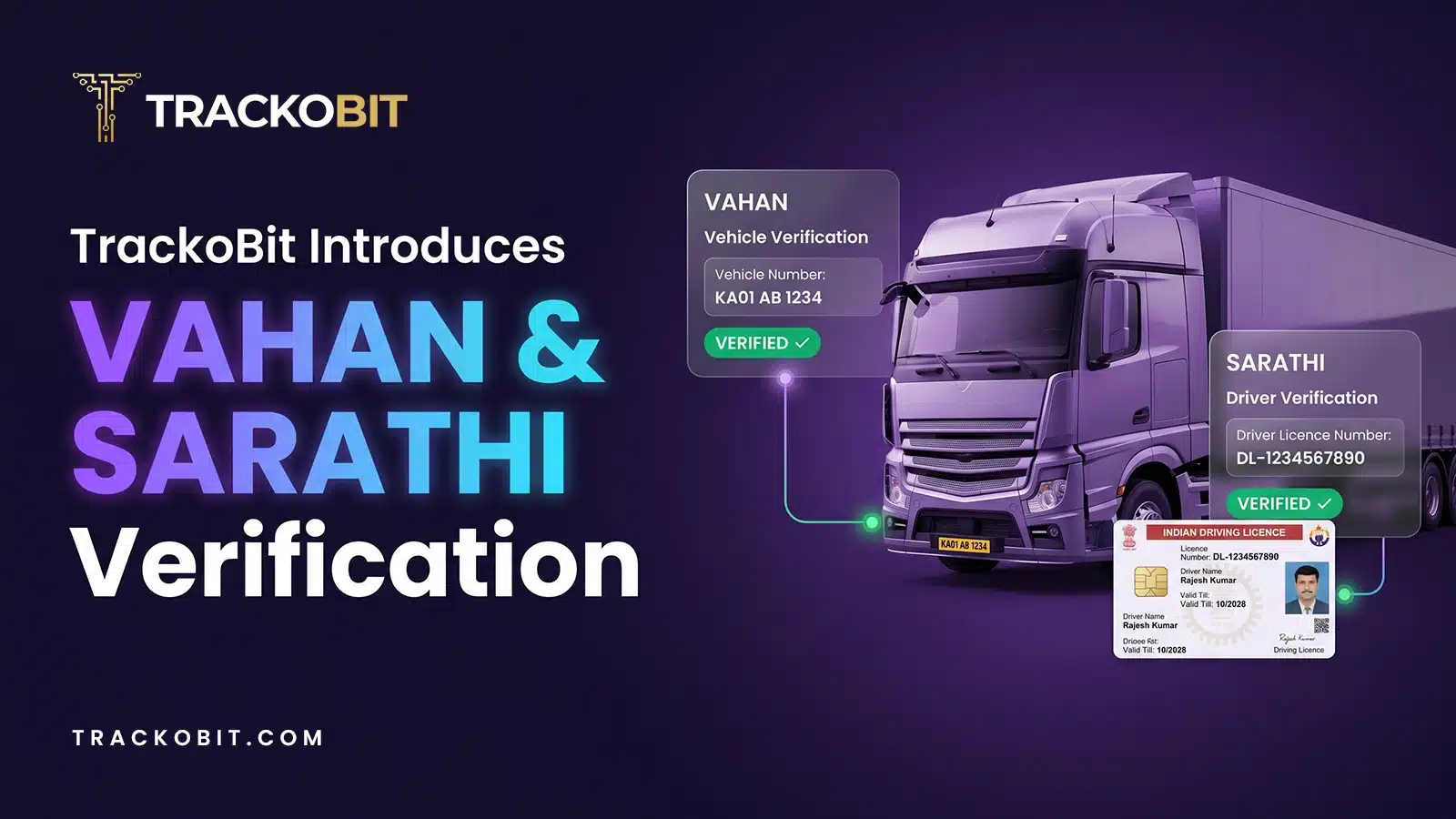
TrackoBit Integrates with VAHAN & SARATHI for Vehicle & Driver Verification
TrackoBit launches VAHAN and SARATHI verification. This is to help fleets build compliant operations with government-verified records.
(more…) -
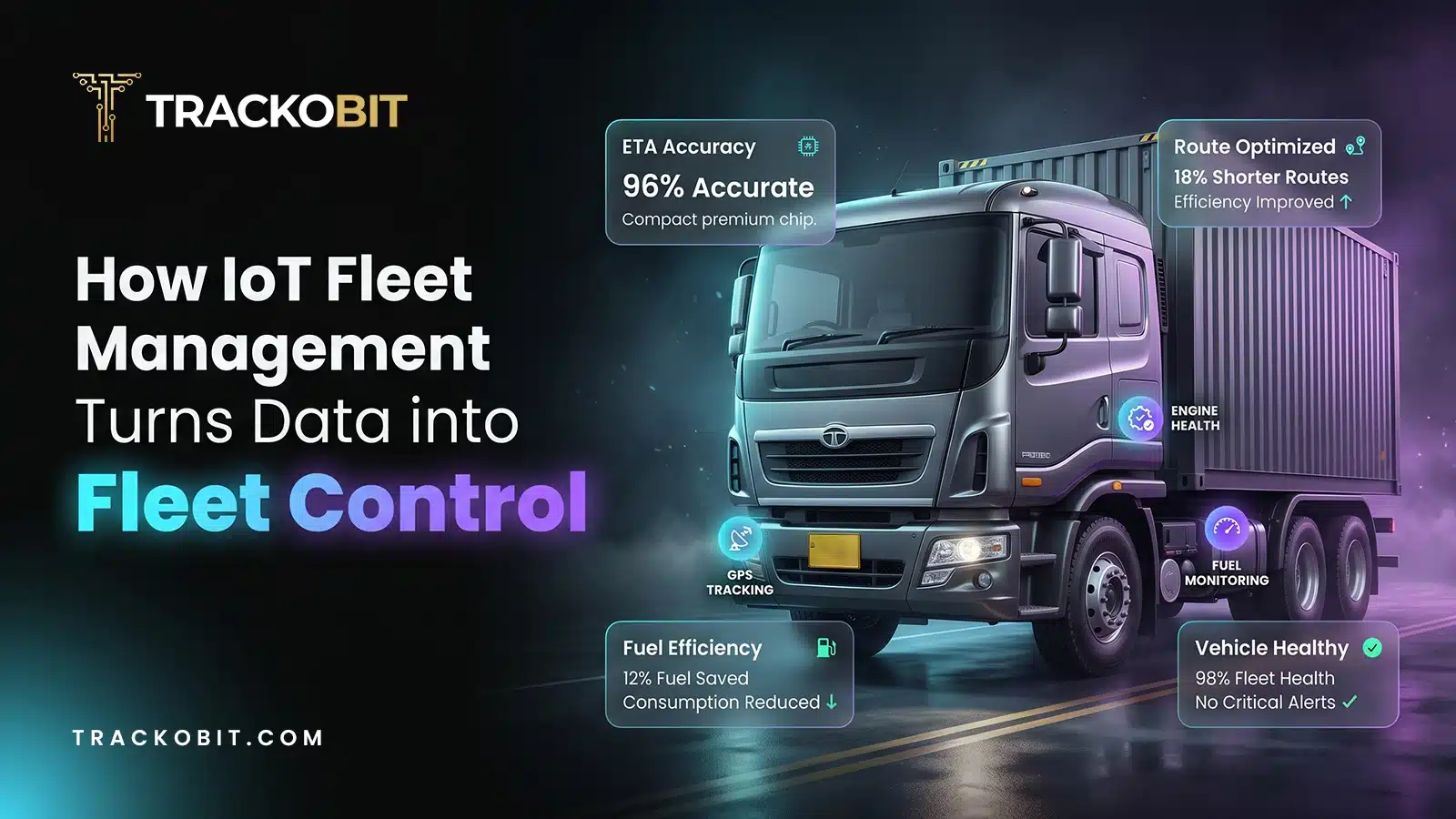
IoT Fleet Management: The Complete Guide for Modern Fleet Operations
Discover how beneficial IoT fleet management is. Learn how it is making fleet operations much safer and more optimized.
(more…) -
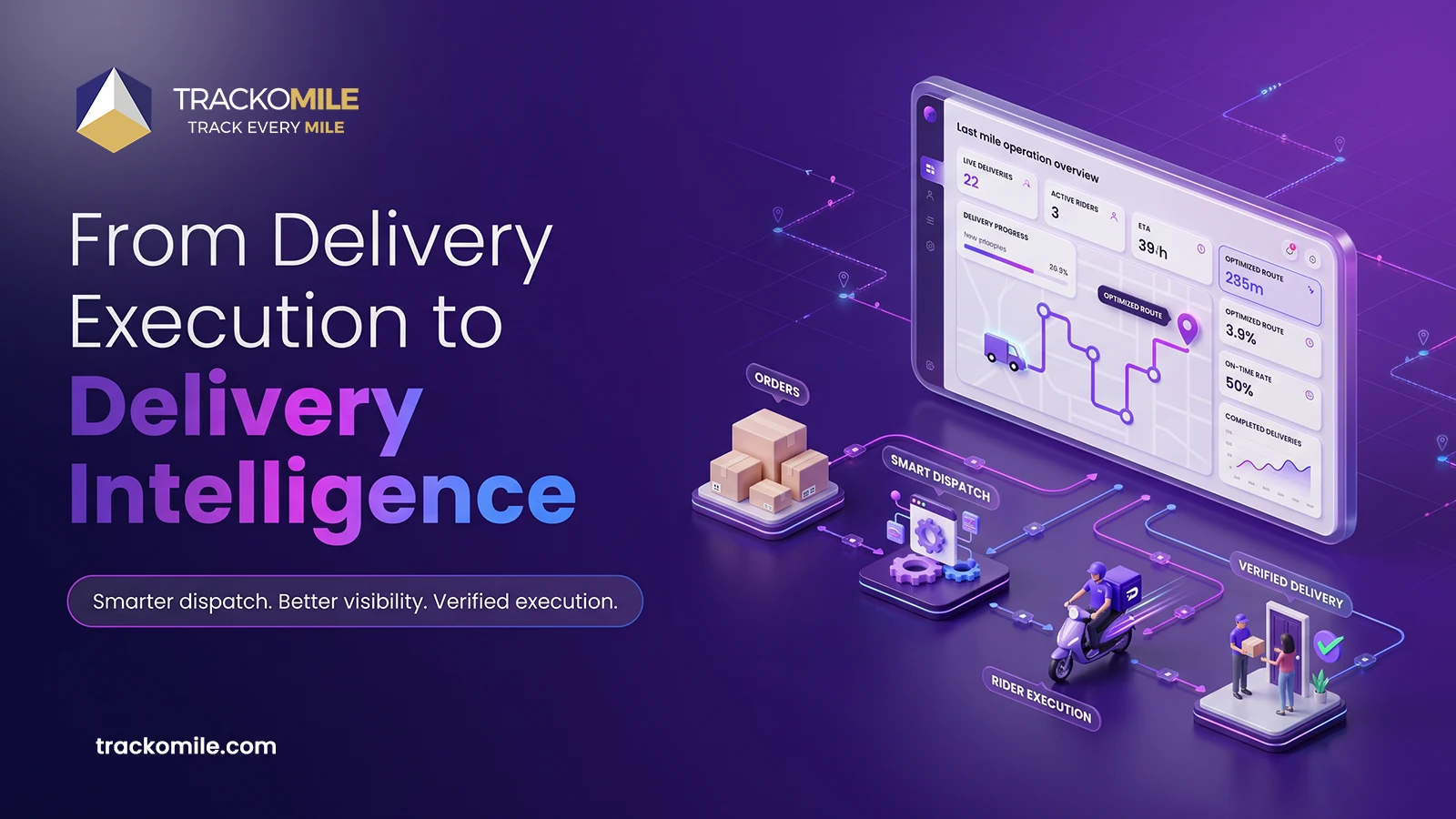
Customer Intelligence & Verified Dispatch: Now Live in TrackoMile
Strengthen last-mile visibility and reliability with TrackoMile’s latest release. See delivery performance as it happens, adjust dispatch plans mid-trip, and verify every rider and vehicle before a trip begins.
(more…) -
Fleet Monitoring: The Ultimate Guide (2026)
Fleet monitoring means using GPS, telematics, and software to track vehicles. This guide helps managers dive deeper into this ecosystem to pick the right solution.
(more…) -
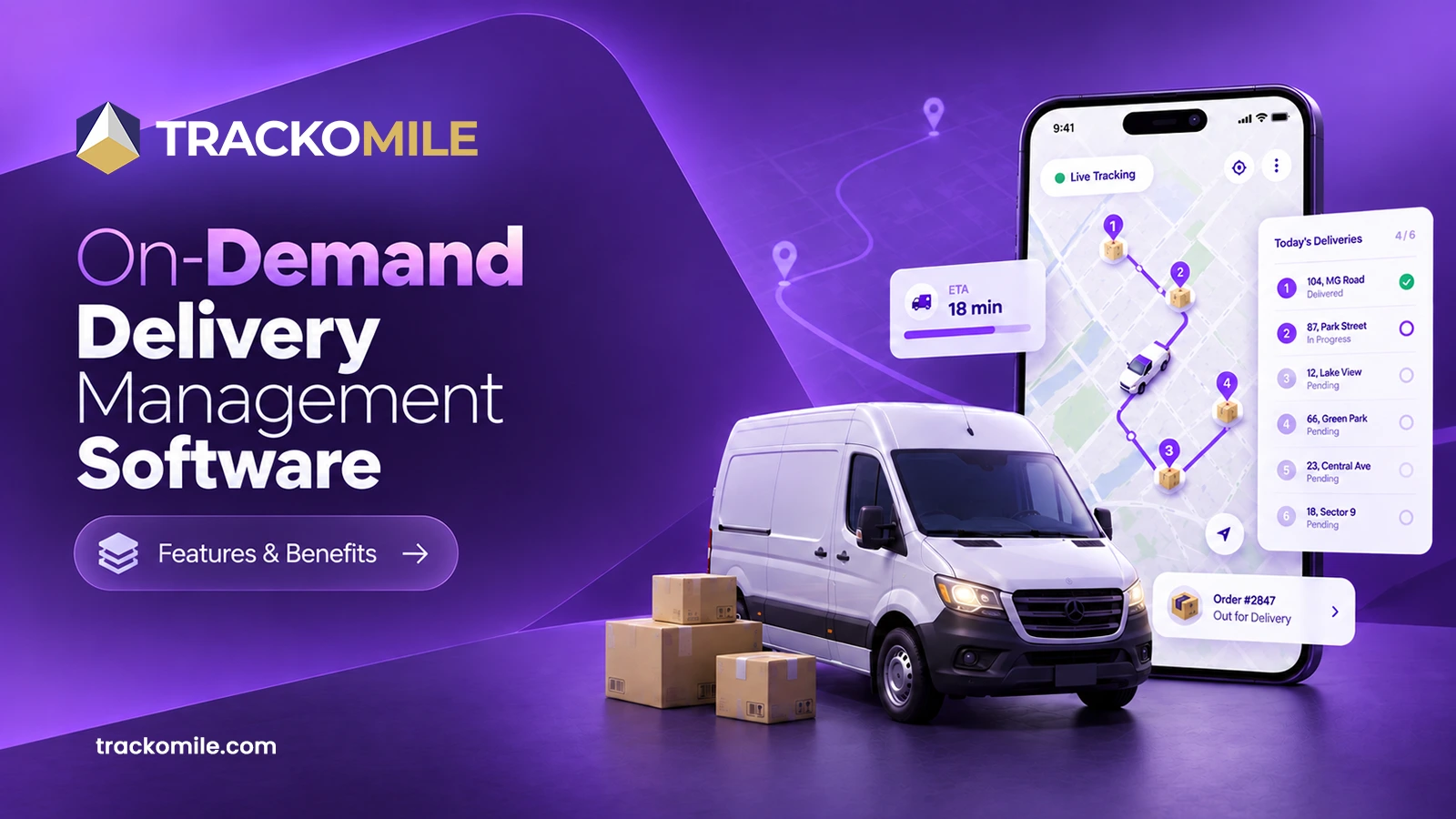
What is On-Demand Delivery Management Software: Types, Features, & Benefits
This blog explores on-demand delivery management software, its key benefits, and must-have features. Also, we will explore how to choose the right software.
(more…)