

Quick Summary

- Field force management software enhances productivity by automating tracking of employee activities, attendance, and task management.
- Manual tracking methods are impractical for managing remote workforces, making FFM software essential for accountability and efficiency.
- Key features of FFM software include live tracking, geo-verified attendance, and location-based task management, improving coordination and communication.
- Utilizing FFM software allows businesses to generate insightful reports, helping to analyze employee performance and optimize field operations.
This blog talks about the 6 key field force management benefits that help businesses improve visibility, boost productivity, and gain better control over field operations.
Field operations can make or break efficiency. The process involves a handful of critical operational aspects. This includes tracking employee productivity, movement, task status, and attendance. Many businesses still rely on calls, messages, and spreadsheets to manage all of this. This approach may work for small scale operations. However, as field work becomes more dynamic and unpredictable, it starts to create gaps. Updates get delayed and managers struggle to understand what’s actually happening on the ground.
This is where field force management software makes a difference. It offers better visibility, more control, and a clearer way to manage field workers. If you are still managing your field teams manually, this blog is for you. Know the key field force management benefits and why businesses need this in 2026.
Why Do Businesses Need Field Force Management Software?
Field force management software is important for businesses to gain better visibility, improve productivity, and reduce operational costs. Read on to know in detail.
To Reduce Operational Costs
Unoptimized routes, repeated visits, and unverified expenses lead to high operational costs. Field tracking software allows managers to verify on-ground activities and control fuel usage. So, you can reduce the overall costs.
To Gain Real-Time Visibility
FFM software allows you to track employee location and task status in real-time. So, managers can stay informed, respond faster, and manage daily operations with more clarity.
To Improve Accountability
Businesses need clear accountability across field teams to ensure work is done as expected. With task tracking, attendance logs, and activity updates, managers can verify employees and their tasks. This reduces confusion and improves team discipline.
To Ensure Field Worker Safety
With real-time location tracking, managers can see where employees are at any point during the day. Plus, geofencing adds another layer of safety. This allows managers to define work zones and get alerts when someone enters or exits a location.
5 Major Challenges in Field Force Management?
Poor visibility, unverified field attendance, and real-time tracking are some common challenges of field force management.
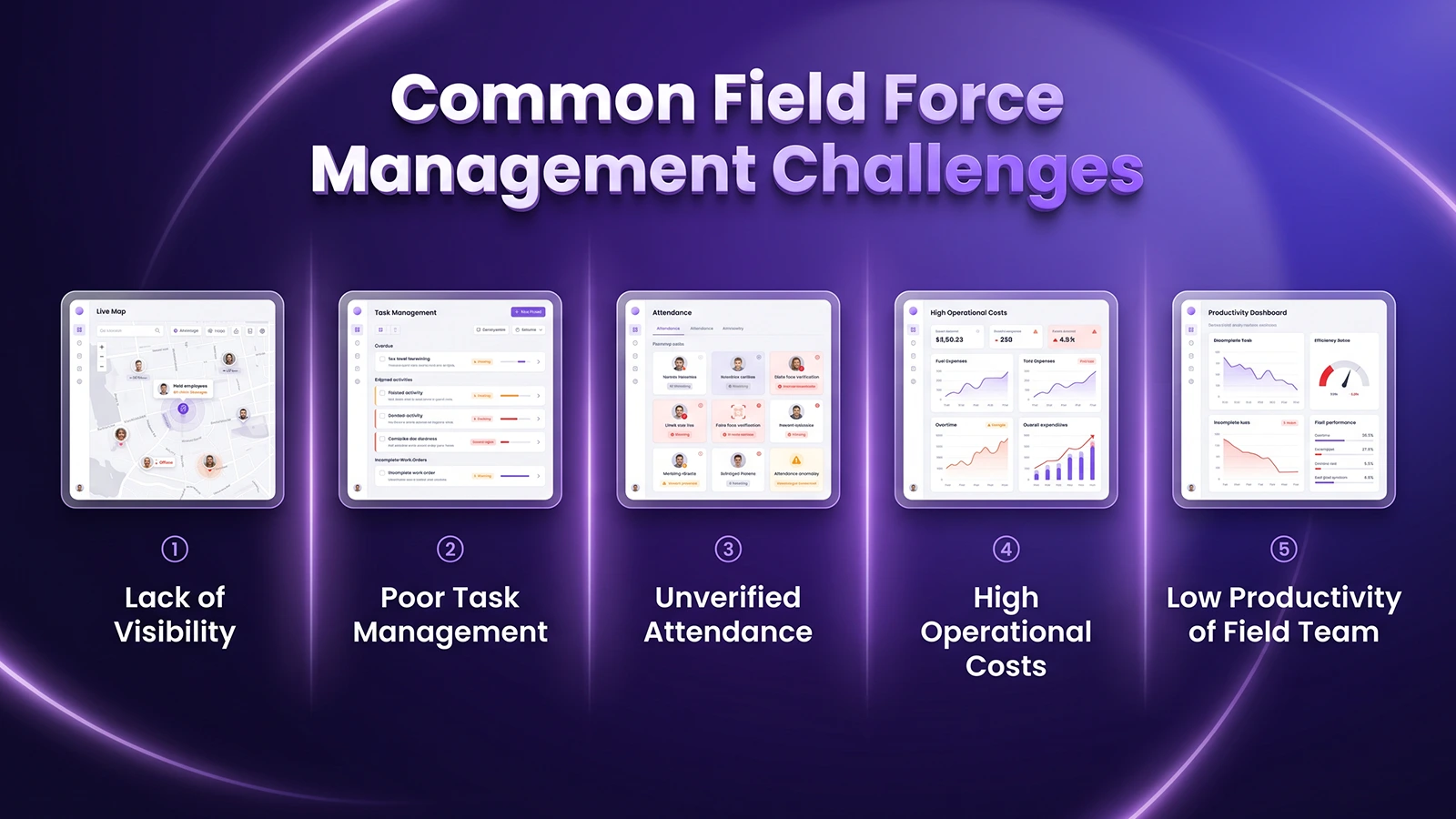
Common Field Force Management Challenges
1. Poor Visibility of Field Activities
Managers often rely on phone calls or delayed end of the day reports to know what their employees are doing. By the time information reaches them, it’s already outdated. This often leads to :
- Delayed task updates
- Poor planning of daily work
- Incomplete tasks
As a result, managers lose control over their daily field operations. In the long term, this directly affects your profitability and revenue margins.
2. Poor Task Management
Field managers often assign tasks over messages or calls. They have no idea about the real-time availability of field employees. Without automated task management software, managers assign tasks without knowing agents’ availability. Also, they ignore their skills and timelines. This leads to:
- Overlapping & repeated task visits
- Wrong allocation of work in terms of skills
- Delays in urgent service or sales visits.
3. Unverified Attendance
Field employees might mark attendance manually through calls or self-reports. These are difficult to verify. These often leads to:
- Buddy or proxy punching
- Difficult shift tracking
- Compromised safety
As a result, attendance tracking becomes unreliable. Managers have limited visibility into whether employees are actually active on site.
4. High Operational Costs
Without proper tracking, employees take longer routes and spend time on manual follow-ups. This leads to repeated trips. As a result, it cause:
- High fuel usage
- Unnecessary repeat visits
- Inefficient use of field resources
As a result, this leads to higher operational costs and affects profit margins.
5. Low Productivity of Field Teams
Field employees often spend a large part of their day in travel, waiting for task updates and following up with managers. This often leads to.
- Delayed task completion
- Idle time between visits
- Late customer visits
As a result, field teams often struggle to complete their daily targets. This directly impacts overall revenue and business growth.
However, by using an automated FFM software, companies can easily solve these challenges.
Continue reading this blog to know how.
Key Benefits of Using Field Force Management Software
Real-time tracking, location-based task management, and geo-verified attendance are some of the major field force management benefits. Let’s discuss in detail.
Market Stats
1. Live Field Operations Tracking
Field force management software uses GPS technology to track employees’ locations in real time. This way, managers can track if agents are on site, travelling, or idle.
They can also view the task status (completed, pending, rescheduled) on the app dashboard. Software like TrackoField even display the accurate battery and network status. So, you know the reliability of live updates. Plus, it allows managers to track staff even when they’re offline.
2. Ensure Accurate and Verified Attendance
Modern FFM software offers geofencing attendance system to ensure secure attendance. For instance, you can set up a geofence around a task site so that employees can only log in when they reach the client.
Executives can also upload visual proof in the form of time and location-stamped selfies. This location intelligence another layer of security to the attendance process. So, businesses can prevent fake punching.
3. Improve Task Execution and Completion Rates
Location-based task management helps managers assign work based on where employees are, their availability, skill set, or how close they are to the client site. This makes sure the right person is sent to the right job at the right time, instead of relying on guesswork.
At the same time, employees get more flexibility on the ground. They can take up assigned tasks or adjust schedules based on real field conditions. Managers can also plan work in advance, assign tasks in bulk, and keep a clear, organised schedule for the entire team.
4. Manage Territories More Efficiently
FFM software offers features like territory management that helps businesses organize field operations by dividing work into clear regions. Managers can improve workload distribution by assigning agents to specific territories. This leads to more balanced and efficient field operations.
It also enables region-wise performance tracking, so managers can easily identify high-performing and underperforming areas.
5. Better Route Planning to Reduce Travel Time
Advanced field force management software helps managers plan routes and visits in a more practical way based on location and task priority. So, they can reduce unnecessary travel, fuel waste, and help field employees complete more work in a single day.
With proper visit planning in place, managers can ensure employees follow the assigned route and reach the right locations without confusion or backtracking.
6. Make Data-Driven Decisions with Accurate Reports
Field force management software helps you to collect and analyze employee data across field activities. It generates reports around tasks, visits, sales, productivity levels, and so much more. Here are the 4 most important reports in an FFM solution.
- Target vs achievement reports
- Task completion rate
- Actual vs assigned work hours
- Distance travelled reports
So, managers can review employees’ performance and identify gaps timely.
Why Are Businesses Switching to Smart Field Force Solutions in 2026?
Field jobs are quite unpredictable and involve several variables to consider. This is why companies are now closely tracking how many visits are completed, how fast tasks are closed, and how efficiently teams are moving on the ground. Here, even small gaps in planning or delays in execution start affecting revenue and customer experience.
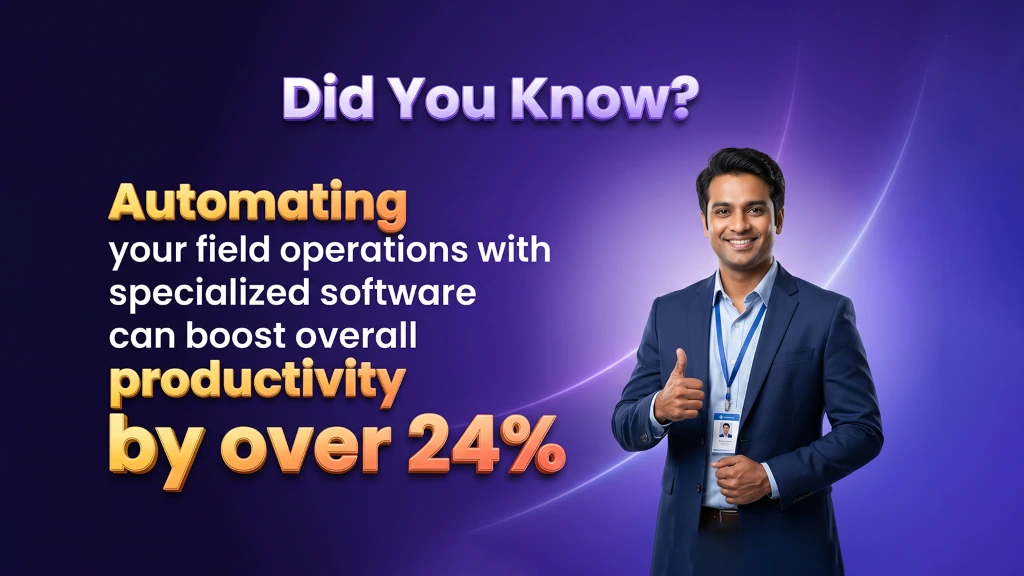
In fact, businesses that are using field force management solutions report up to 25% improvement in task completion rates and 30% better workforce utilization. This shows the real field force management benefits in day-to-day operations.
The shift is being driven by technologies like location intelligence and AI-based visit planning. These help businesses make quicker and more accurate decisions on the ground. Instead of reacting late, managers can plan better, assign tasks faster, and improve daily execution. Field employee tracking solutions like TrackoField bring all of this into one place. So, businesses can run field operations with more control, clarity, and visibility.

See How TrackoField Helps You Manage Field Operations Better Book a Free Demo
Frequently Asked Questions
-
How does field force management improve productivity?
Businesses can improve employee productivity by using field force management software because it removes a lot of everyday friction in field work. Managers don’t have to keep calling for updates, they can see what’s happening on the ground as work moves. For employees, the day becomes more clear. They know which task to do next and where to go. So, they don’t end up wasting time going back and forth or waiting for instructions.
-
Which industries benefit the most from field force management software?
Field force management software is beneficial for every industry who has employees working outside the office. This includes logistics and delivery, FMCG sales, retail distribution, telecom, healthcare and pharma, utilities, and construction. It allows them to track attendance, assign daily tasks, monitor field activity in real time, and capture visit or work updates from the field.
-
Is field force management software useful for small businesses?
Yes, field force management software is useful for small businesses. It helps managers keep daily field work simple and organized. They can assign tasks clearly, track attendance and field movement in real time, and quickly see what work has been completed without constantly asking for updates. Field staff can also share visit details and expense proofs directly from the field, instead of submitting everything later.

Parul is a content writer with 2+ years of experience in B2B and SaaS domains. She creates clear, actionable content for TrackoBit and TrackoMile, focusing on fleet management, last-mile delivery, and... Read More


Related Blog

Sales Territory Management: 6 Best Practices for High-Performing Teams
Poor sales territory management can quietly stifle sales growth. Understand how companies can create high-performing territories.
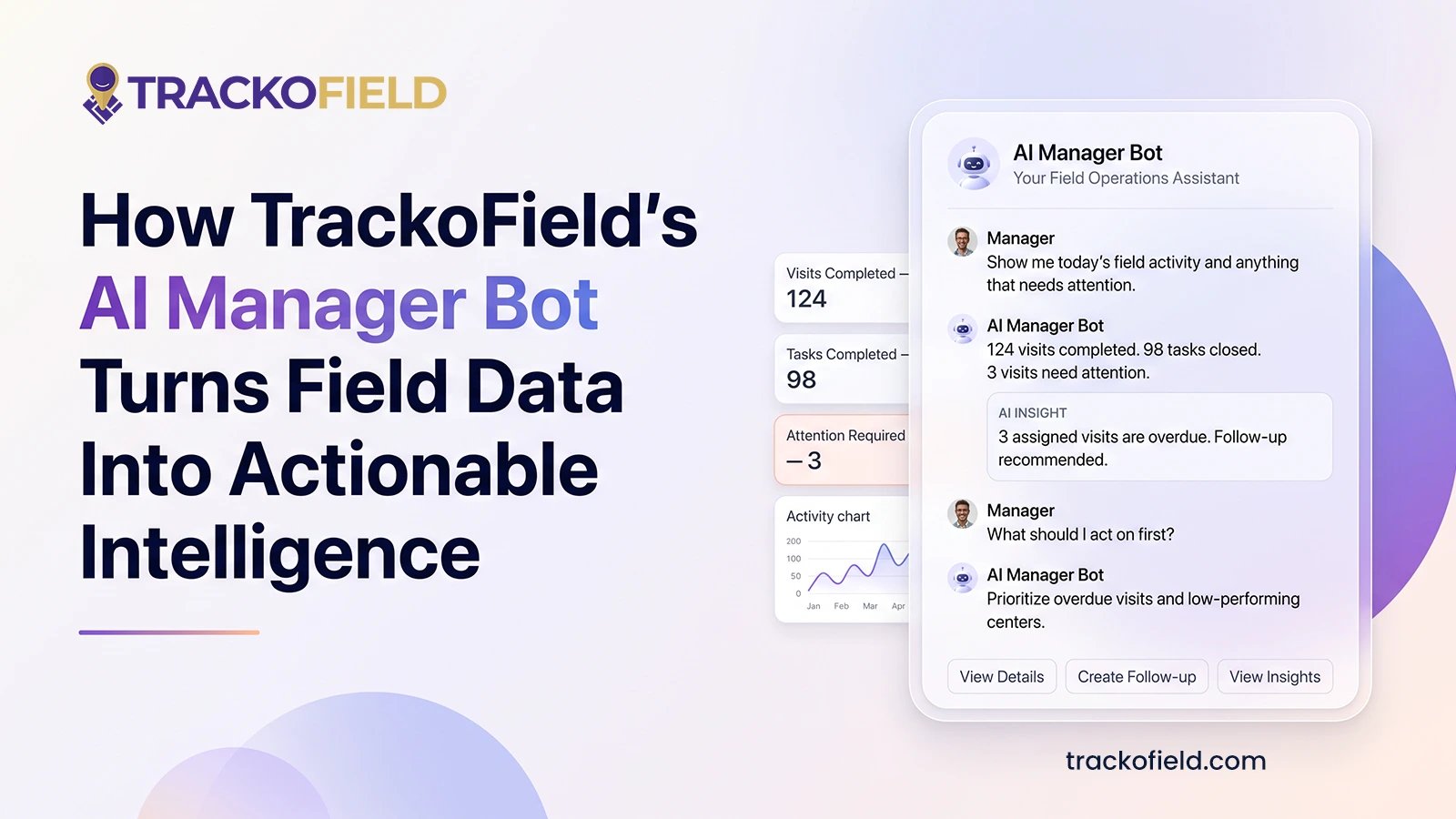
TrackoField’s Manager Bot: Bringing the Future of Field Force Intelligence to You Today
TrackoField’s AI Manager Bot transforms field force management into field force intelligence by turning operational data into instant AI-powered insights.

Face Recognition: What It Is, How It Works & Benefits for Field Teams
Facial recognition is a way of identifying or confirming an individual’s identity using their facial features. Read this guide to…
Field Operations Manager: Roles, Challenges & How to Optimize Performance
Field operations managers handle on-ground activities with challenges like visibility, control, and coordination. This blog covers their roles, key challenges,…


Your inbox awaits a welcome email. Stay tuned for the latest blog updates & expert insights.
"While you're here, dive into some more reads or grab quick bites from our social platforms!"Stay Updated on tech, telematics and mobility. Don't miss out on the latest in the industry.