
Related Blogs
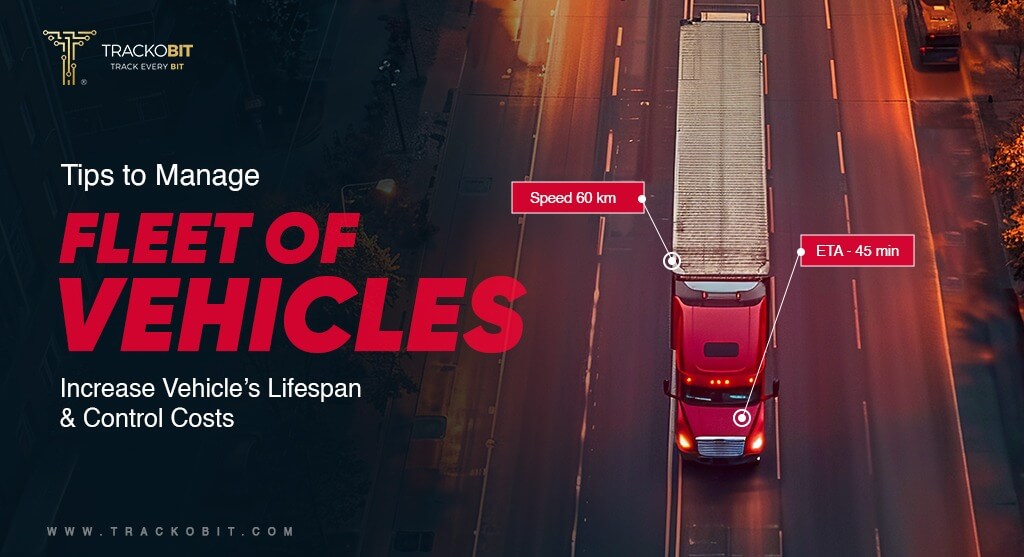
What Does Fleet Mean?
A fleet is a group of vehicles that are either owned or managed by a business or government for operational uses. The vehicles can be vans, trucks, buses, taxis or delivery vehicles. They are used for transportation and logistics of field operations. Businesses depend on them to carry out operations like moving goods from one point to another or carrying delivery services. Some businesses even it to manage daily operations. This includes service appointments and technician dispatches.
Fleet synonym: Also referred to as a vehicle group or vehicle network.
How to Manage Fleet Effectively?
Managing a fleet involves real-time tracking, motoring driver behavior and activity, and calculating fuel costs to plan and control expenses. Large businesses struggle with delayed deliveries, route deviations, and high idling time. They also find it difficult to reduce vehicle downtime and control maintenance expenses. So, the purpose of managing is to optimize operations and thus improve revenue growth.
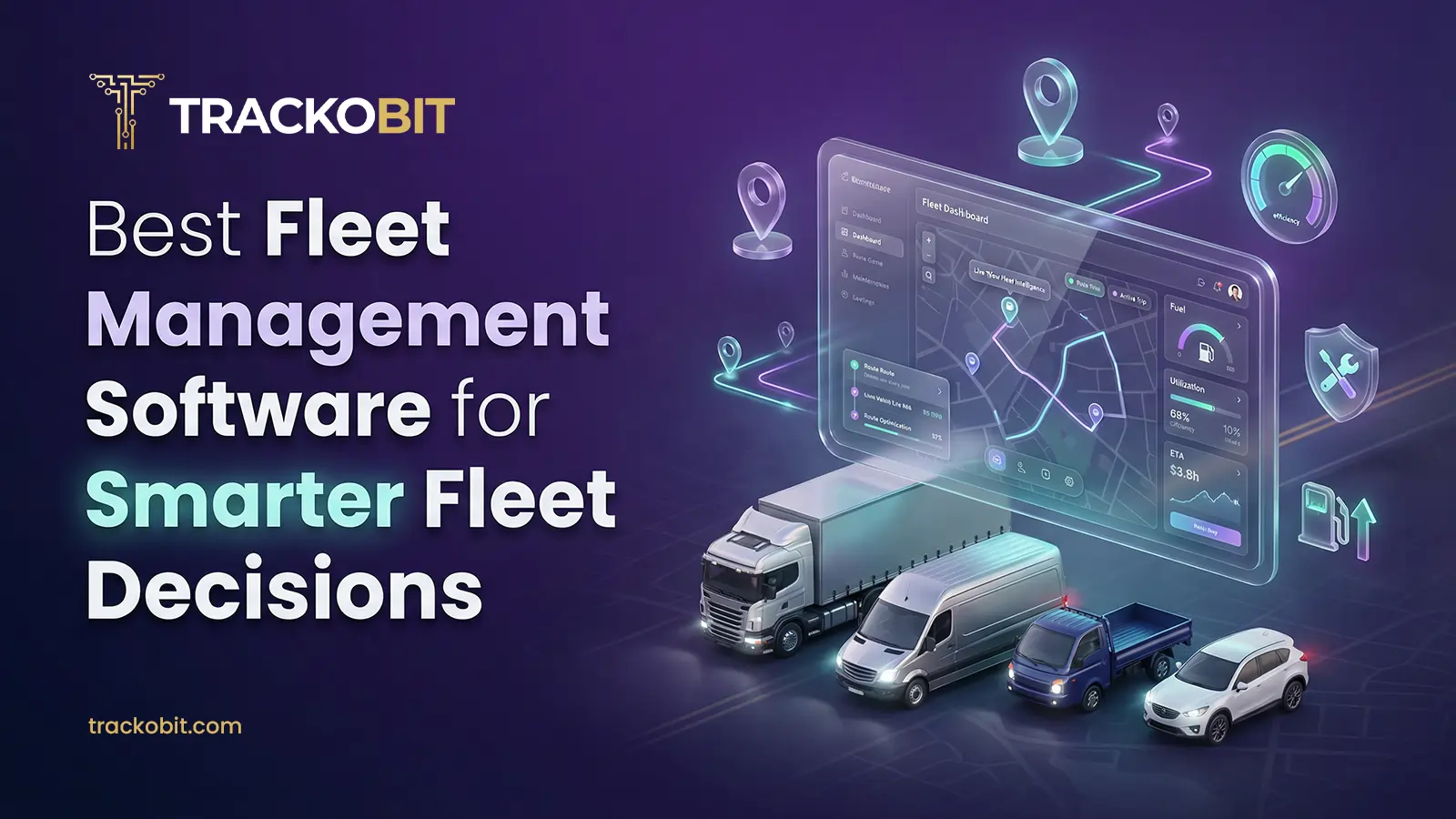
With an effective fleet management software, businesses gain far more control of their operations. They get real time enhanced visibility into movement and driver activity. The software features GPS tracking, effective route planning, video telematics, and driver behavior monitoring. Also, upcoming maintenance alerts and automated analytical reports help improve productivity and reduce operational gaps.
Most businesses are now using fleet management software to automate daily operations. For example, solutions from TrackoBit’s fleet management software facilitate effective communication between drivers, managers, and dispatch teams. It centralizes information which speeds up decision making, viewing anomalies, and reporting from one platform.
What Is Fleet Management?
It is the process of managing commercial vehicles for business purposes. The process includes –
- Vehicle tracking
- Driver management
- Maintenance management
- Route planning
- Fuel monitoring
- Driver behavior monitoring
- Compliance management
The purpose of fleet management is to improve operational efficiency. It helps in reducing operational costs and increasing vehicle utilization. This results in optimal and smooth transportation operations. Be it logistics, construction or delivery, all need fleet management.
What Is Fleet Tracking?
Fleet tracking is the process of monitoring vehicle location, movement, and activity using GPS technology and telematics systems. It helps businesses track vehicles in real time, monitor routes, reduce misuse, and improve dispatch efficiency.
Modern fleet tracking systems provide live location updates, trip history, route deviation alerts, idle reports, and driver behavior insights. Tracking plays an important role in improving visibility, safety, and operational control across commercial operations.