
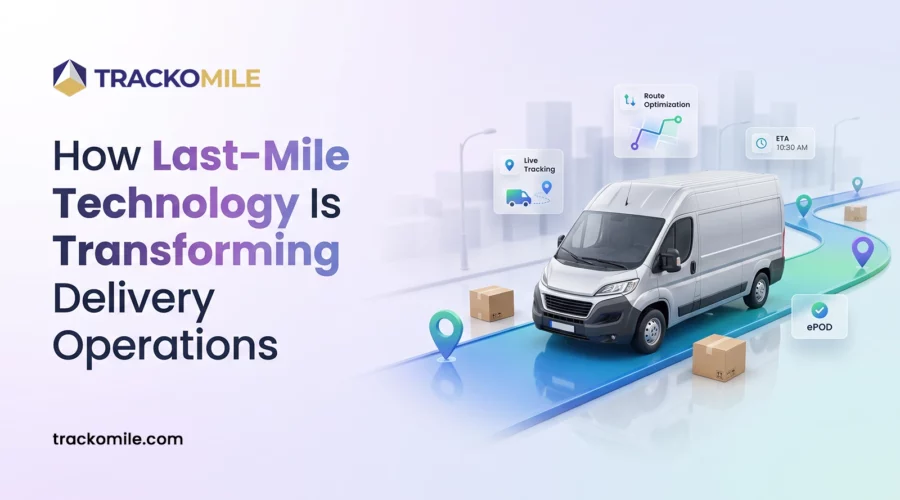
Learn how last-mile technology combines routing, dispatch, tracking, ePOD, and analytics. Improve your businesses’ delivery speed, visibility, efficiency, and customer experience.
Last mile delivery can make or break your business’ first impression on customers. It directly impacts whether they place more orders or avoid your business forever. As a result, the last mile is often the most complex and expensive part of the delivery cycle.
So, to ensure great customer experience while optimising delivery costs, delivery businesses today are increasingly adopting last mile technology. A competent delivery management software ensures
- Operations run smoothly
- Orders are delivered quickly
- Managers get visibility of deliveries
- Riders commute on optimised routes
This guide breaks down what last mile technology actually does and how to choose the right tool for your business.
What is Last Mile Technology?
Last mile technology refers to a suite of software and hardware tools that help move an order from a local hub to a customer’s doorstep smoothly. Delivery management software like TrackoMile is the best example of modern last mile logistics technology.
It involves the combined working of functionalities like:
- Route planning
- Real-time tracking
- Dynamic dispatch
- Digital proof of delivery
Last mile technology has one main objective:
To deliver the order to the customer as quickly and efficiently as possible and keep everyone informed along the way.
It decides who delivers, which route they take, and ensures the customer stays updated. Last mile technology also helps managers get live visibility of delivery operations.
Why the Last Mile Matters in Modern Logistics
Last mile is the only stage of the supply chain that a customer experiences directly. Delays at the warehouse or issues in earlier delivery stages are not their concern.
As such, last mile delivery significantly impacts customer satisfaction, retention and scope for repeat business. Any delays or setbacks have negative effects on:
- Customer impression
- Operational costs
- Fleet efficiency
With rising customer expectations nowadays, last mile has become all the more important.
Businesses must manage same-day deliveries while providing customers with accurate rider details, tracking links and ETAs. Not keeping up with these demands means losing customers.
This is where last mile technology steps in. Take a look at how it simplifies last mile delivery management.
What are the Core Technologies Powering Last Mile Delivery?
Last mile delivery is made simple by tools and technologies like route optimisation software,automated dispatch, real-time rider tracking and customer communication.
1. Route Optimisation
Route optimisation builds the most efficient path for each rider, factoring:
- Traffic
- Delivery windows
- Vehicle capacity
It includes multi-stop trip sequencing. This ensures that riders cover the maximum number of customers while minimising travel time. The result is less driving, lower fuel costs, and more completed stops per shift.
2. Automated Dispatch
Dispatch management software assigns each order to the right rider automatically, based on:
- Skills
- Location
- Workload
- Availability
Gone are the days when dispatch managers assigned orders manually to each rider via text or calls. Automated dispatch ensures smooth order allocation at all times. This includes demand peaks and last-moment order cancellations.
3. Real-Time Tracking
Live GPS tracking shows exactly what is happening on the ground. It tracks riders and their delivery activities in real time. This is beneficial for both managers and customers. Such visibility cuts down on status update calls and builds trust through transparency.
4. Proof of Delivery Capture
After delivery, riders can capture proof in the form of:
- Photos & documents
- Digital signatures
- Barcode scans
- Happiness code
This confirms a delivery actually happened as expected. Such proof of delivery protects the business from disputes and gives everyone a reliable record to fall back on.
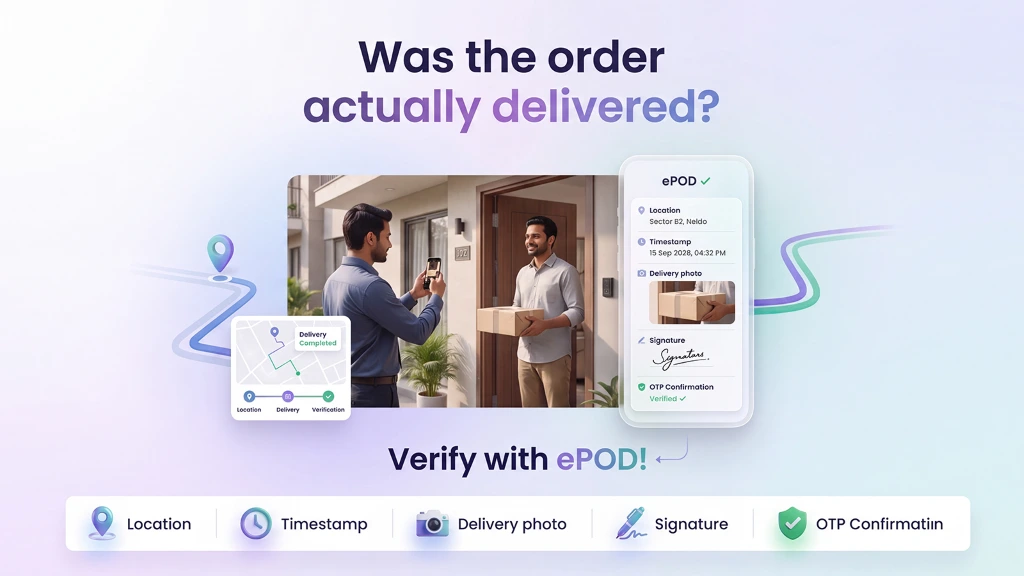
Accurate Proof of Delivery Capture
5. Delivery Analytics
Some platforms use historical data to anticipate demand spikes and staffing needs before they hit. This shifts planning from reacting under pressure to preparing ahead of time. In addition, analytics dashboards help logistics managers monitor operational performance.
- Key metrics include:
- On-time delivery percentage
- Average delivery time
- Failed deliveries
- Fuel expenses
- Rider productivity
These insights help businesses identify bottlenecks and improve future delivery planning.
6. Customer Communication
Automated notifications and tracking links keep customers informed without requiring a support agent to step in. This also reduces the volume of “where is my order” or WISMO inquiries considerably.
Challenges & Limitations of Current Last-Mile Tech
Even strong last mile technology comes with real limitations like data quality issues, high adoption costs, integration gaps and privacy concerns. See the full list.
1. Data Quality Issues
Delivery systems depend heavily on accurate information. A route is only as good as the data behind it. Some common culprits behind delivery errors are:
- Inaccurate addresses
- Duplicated orders
- Outdated traffic feeds
- Missing customer details
2. Integration Gaps
Many businesses run last mile tools alongside ERP systems, warehouse management systems, or CRM platforms. When these systems don’t sync with one another smoothly, teams end up doing extra manual work to fix the data transfer gaps.
3. Customer Privacy
Location tracking and customer information must be handled securely. Businesses need software that complies with data privacy regulations while protecting customer information.
4. Cost of Adoption
Advanced last mile platforms carry a steep price tag. They may not fit the budget of smaller teams that require advanced solutions for their complex operations.
5. Delivery Conditions
Even the most well-planned routes can be quickly disrupted by:
- Traffic accidents
- Weather conditions
- Road closures
- Customer unavailability
Technology must be flexible enough to adjust delivery schedules in real time.
6. Staff Resistance
Last mile technology is only effective when riders use it consistently. Riders and dispatchers used to older processes don’t always welcome new software right away. Simple and intuitive interfaces with a short learning curve are better than complex mobile apps.
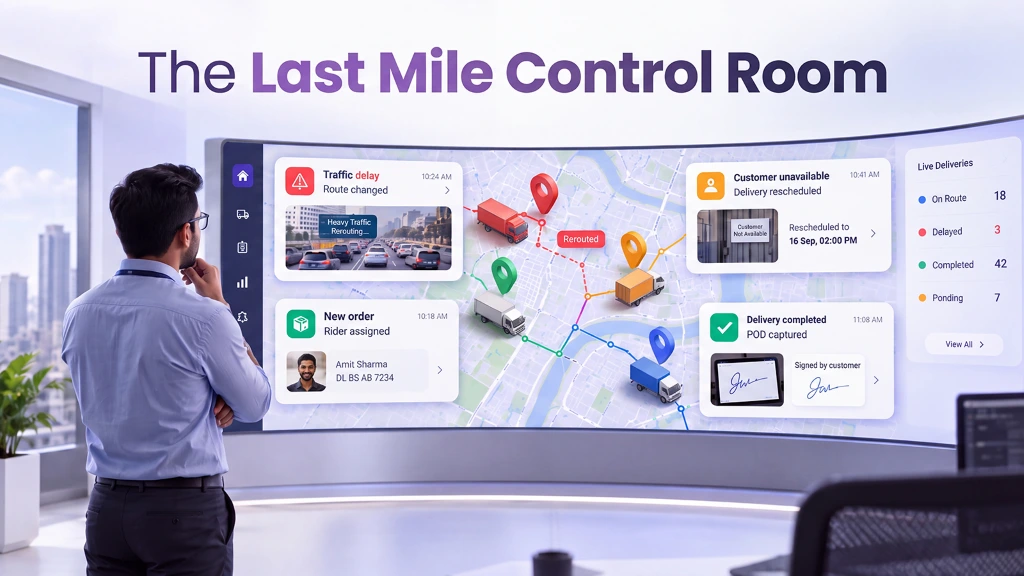
Solve Last Mile Challenges With Delivery Management Software
How to Evaluate & Choose the Right Last Mile Technology for Your Business
Choosing the right last mile technology starts with understanding your own operation, assessing your order volume, checking for scalability and testing with real data. Comparing only the feature lists and price to pick a last mile platform can be detrimental in the long term.
1. Assess Your Order Volume
Pick a platform that fits your current volume and operational needs. Businesses must consider:
- Daily delivery volume
- Team size
- Delivery regions
- Vehicle types
- Customer expectations
These factors determine which features are most important. This way, businesses can avoid paying for features they don’t require and save money.
2. Prioritise Real-Time Capability
Static route plans and delayed updates don’t hold up against modern customer expectations. Look for software that is dynamic and adjusts the moment conditions change.
3. Test With Real Data
Generic demos rarely reflect your actual delivery patterns. Run a trial using your actual data, orders and routes before you buy it.
4. Evaluate Support & Onboarding
Delivery issues happen in real time, often outside standard business hours. Choose a platform that provides reliable, 24/7 assistance and technical support as your operations grow.
5. Check Scalability & Integration Capability
Choose a software that supports your existing tech tools and is also built to grow with your business. This way, you won’t be forced into a disruptive switch as order volume and rider headcount increase.
How TrackoMile Powers Last Mile Delivery for 500+ Logistics Teams
Last mile technology has empowered customers to expect fast, transparent, and reliable delivery. Businesses that can’t offer that experience tend to fall behind the competition in the current era. However, choosing the right last mile technology starts with understanding your operation. Then businesses should test platforms against their actual orders and routes
Built for delivery-heavy businesses, TrackoMile supports industries like:
- E-commerce
- Grocery
- Quick commerce
- 3PL
It provides all essential last mile technologies under one window. Its dynamic dispatch engine checks over 120 factors, including rider location, workload, and delivery priority, before assigning any order. This keeps order allocation fast and accurate, even during high-volume periods.
The route optimisation feature analyses more than 50 rules. It builds efficient multi-stop routes to save fuel and reduce travel distance. TrackoMile allows managers to view riders and delivery activities in real time. Customers also stay informed thanks to OTP order verification, tracking links, and precise ETAs.
TrackoMile also supports shift scheduling, attendance tracking, and data analytics. The software is easy to implement, budget-friendly, and supports 200+ third-party integrations. It scales with your business as your order volumes increase.
Book a free demo to see how TrackoMile handles your actual delivery volume, routes, and customers.

Frequently Asked Questions
-
How does last mile delivery technology work?
Last mile delivery technology combines route planning, dispatch, and GPS tracking. It ensures orders go to the nearest and most experienced rider. Routes are adjusted in real time. Customers also get live updates until the delivery is done.
-
What are the latest trends in last-mile delivery?
AI-driven dispatch, drone delivery and EVs are the latest trends in last mile delivery. Predictive analytics and PUDO delivery are also growing fast. Plus, businesses are investing in better customer updates and robot deliveries for urban areas.
-
How last-mile technology works across industries?
Last mile technology is widely adopted by E-commerce, grocery, and courier companies. They rely on route optimisation and smart dispatch to meet their customers’ unique expectations.
-
Why is last mile technology important?
Last mile technology is important because it shapes customer experience. Fast and transparent deliveries build trust. Delays or poor updates push customers toward competitors who offer a smoother experience instead.
-
How can technology reduce delivery costs?
Route optimisation cuts wasted travel and fuel spending. Automated dispatch saves manual coordination time. Predictive analytics helps in future-planning and decision-making.

Mudit is a seasoned content specialist working for TrackoField. He is an expert in crafting technical, high-impact content for Field force management software With years of experience rooted in the me... Read More


Related Blog
Building Resilient Delivery Operations with TrackoMile in 2026 and Beyond
Logistics businesses build resilient delivery networks with TrackoMile. But how exactly? With real-time route optimization, automated scheduling, and end-to-end fleet…
How to Scale Quick Commerce Beyond 10 Minutes with TrackoMile
TrackoMile transforms chaotic last-mile logistics into a predictable, automated, and high-margin retail powerhouse. See how it works in quick commerce.
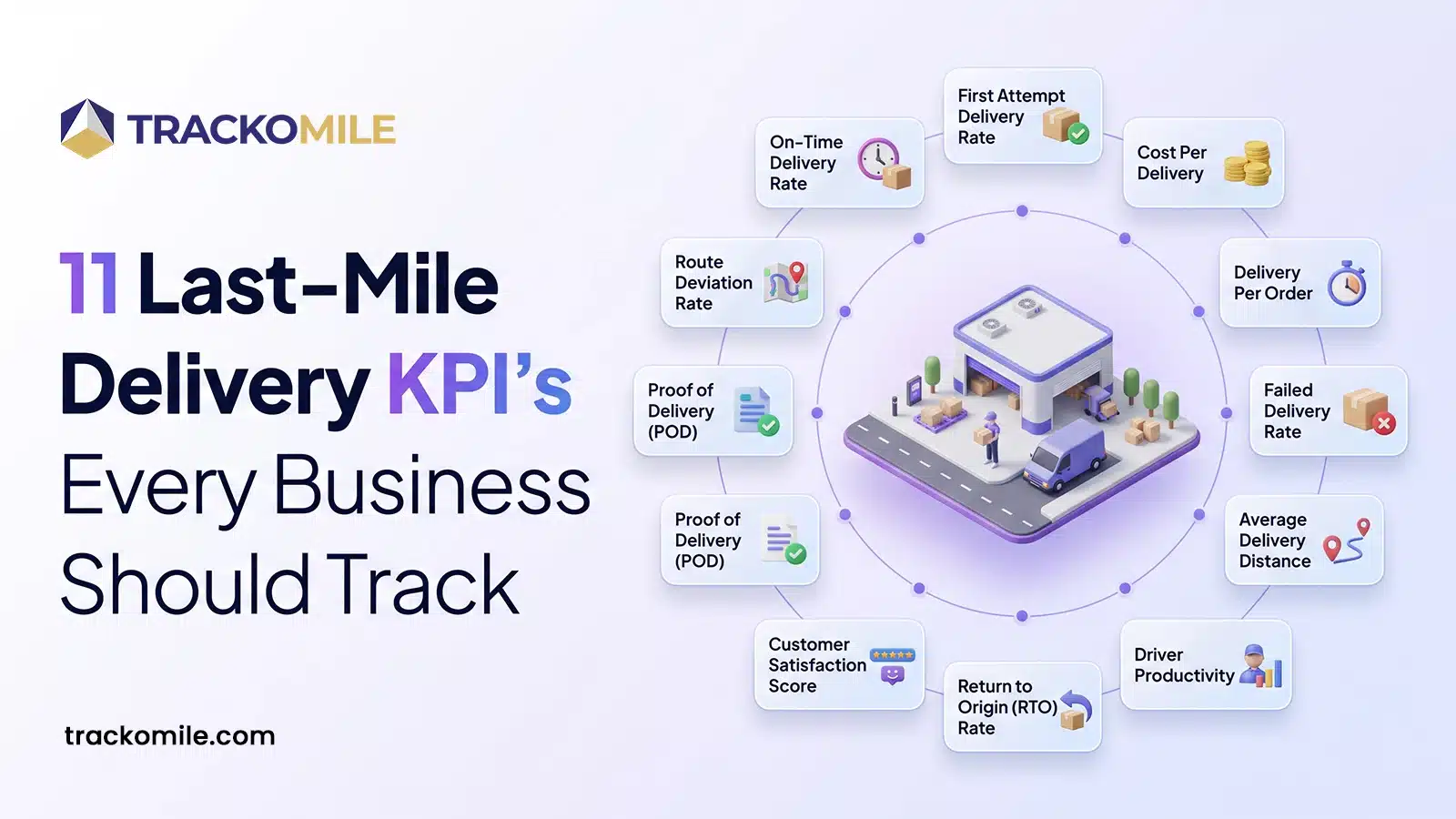
Last Mile Delivery KPIs & Metrics: 11 Essential Metrics to Track
To improve last mile operations, it’s important to track 11 essential last mile delivery KPIs like on-time delivery rate, cost…
What is On-Demand Delivery Management Software: Types, Features, & Benefits
This blog explores on-demand delivery management software, its key benefits, and must-have features. Also, we will explore how to choose…


Your inbox awaits a welcome email. Stay tuned for the latest blog updates & expert insights.
"While you're here, dive into some more reads or grab quick bites from our social platforms!"Stay Updated on tech, telematics and mobility. Don't miss out on the latest in the industry.