
Quick Summary

- Last mile delivery is crucial yet costly, accounting for over 50% of total delivery expenses due to factors like high labor and fuel costs.
- Challenges include low drop density, failed deliveries, and rising customer expectations, all contributing to increased operational costs.
- Optimizing routes, improving first attempt delivery rates, and using micro hubs can significantly reduce last mile delivery expenses.
- TrackoMile enhances last mile efficiency through real-time tracking, automated notifications, and performance monitoring, helping businesses manage costs effectively.
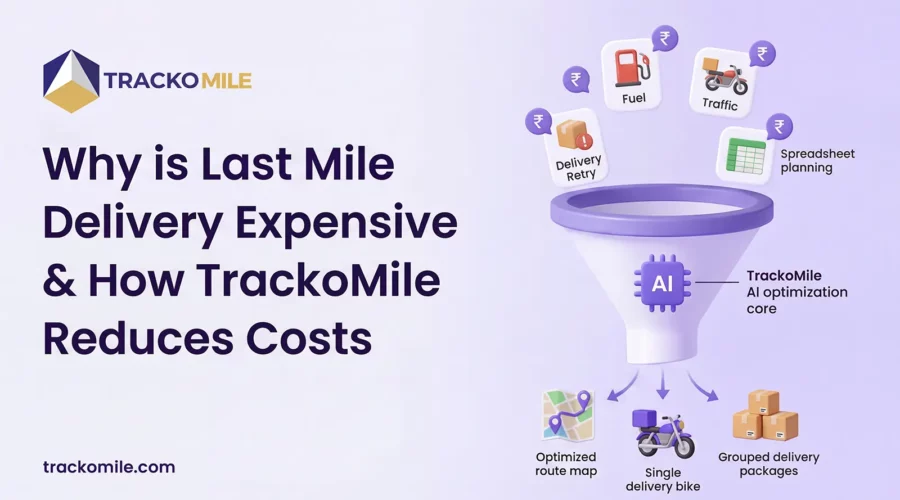
From high fuel usage and urban traffic to failed deliveries, uncover the real reasons that make last mile delivery expensive and how to optimise them.
Last mile delivery is the most important step in the supply chain and rightly so. It directly impacts customer experience and has to be carried out with utmost accuracy. The process typically involves tight timelines and a whole network of planning and execution. This is what makes last mile delivery expensive even though it looks simple from the outside.
Industry research across global logistics providers consistently shows that the last mile can account for more than 50% of total delivery costs. It’s often shorter but that doesn’t equate to lower costs. In fact, the opposite is true.
To understand why, we need to look at what really happens during last mile delivery.
What Is Last Mile Delivery and Why It Is Different
Last mile delivery is the movement of goods from a distribution centre or micro hub to the final customer location. This could be a home, office, retail store or pickup point. Here’s what makes last mile delivery unique:
- Deliveries are fragmented across several unique addresses
- Each stop requires halting, unloading and customer interaction
- Traffic and poor roads increase idle time and fuel usage
- Customers expect fast delivery and real time visibility
- Failed attempts require delivery reattempts
Long distance freight is efficient because goods move in bulk between fixed points. Last mile delivery is the opposite. It involves small drop sizes, traffic and strict service expectations. This makes cost control challenging and unpredictable at times.
Why Is Last Mile Delivery Expensive? 6 Main Factors
Here are the reasons that make last-mile delivery expensive. These include high labour costs, route inefficiencies, high delivery failure rate and more.
1. Labour Costs
Drivers are the backbone of last-mile operations. Every package requires manual handling, doorstep verification and sometimes cash collection.
Drivers have to make multiple stops a day. Each stop adds time. Waiting at gated communities, climbing stairs or calling customers increases delivery time per package.
That’s why driver pay depends on the customer demand and service expectations. Labour usually accounts for 35 to 45% of total last mile cost.
2. Fuel and Traffic Inefficiencies
City driving is fuel intensive. Vehicles constantly stop and start. Engines idle in traffic. Routes change due to roadblocks and congestion. In rural areas, riders may resort to off-roading or long alternate routes to avoid poor roads. That further puts load on the vehicle and increases fuel usage.
Fuel typically contributes 25 to 35% of cost. Even small route inefficiencies can significantly increase fuel spend across a large fleet.
3. Low Drop Density
Drop density means the number of deliveries completed per kilometre. In suburban or rural areas, addresses are far apart. That increases distance travelled per package. Lower density means higher cost per delivery.
4. Failed Deliveries and Returns
If a customer is not available, the delivery must be reattempted. That means extra fuel, extra labour and extra scheduling effort.
In ecommerce, returns further make last mile delivery expensive. Failed deliveries and returns typically add 5 to 15% to total cost.
5. Vehicle Maintenance
Frequent braking, halting and rough rural roads wear down vehicles faster. Tyres, brakes and engines require regular servicing. Vehicle maintenance can contribute 10 to 15% of last mile costs.
Plus, many companies are switching to clean, EV vehicles for environmental sustainability and to avail subsidies. However, riders take time to adjust to EV vehicles, and they require specific charging, maintenance and driving technique.
6. Rising Customer Expectations
Quick commerce has forever changed customers’ expectations. They expect quick, free and same day deliveries with clear communication and easy returns. This increases operational pressure on businesses and narrow delivery windows reduce route and rider roster flexibility.
Customers also expect live tracking, instant notifications and accurate ETAs. Meeting these expectations requires technology investment and support teams.
Admin and technology costs usually account for 5 to 10% of total spend, but they are critical for service quality.
Intelligent Route Optimisation
Real Cost Breakdown Example of Last Mile Delivery
Let us assume the cost of delivering one order is ₹100.
A typical distribution might look like this:
- Labour cost per order is ₹40
- Fuel cost per order is ₹30
- Maintenance cost per order is ₹12
- Failed deliveries cost ₹10
- Admin and technology cost ₹8
Now imagine handling 20,000 orders per month.
A small 5% improvement in fuel efficiency or a 3% reduction in failed deliveries can save lakhs of rupees annually.
How To Reduce Last Mile Delivery Costs
Reducing last-mile delivery cost does not mean reducing service quality. The goal is smarter operations.
1. Optimise Routes Using Data
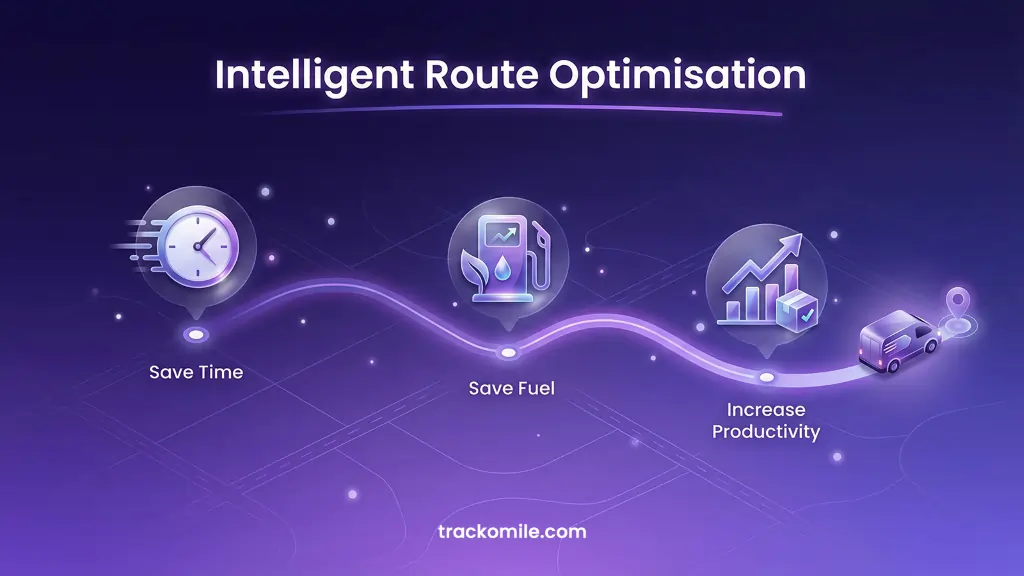
AI based route planning reduces total distance travelled. It helps cluster nearby stops and avoid traffic hotspots. Better routing improves drop density and saves both fuel and time.
2. Improve First Attempt Delivery Rate
Send automated pre delivery notifications. Allow customers to reschedule. Collect accurate address and landmark information. Every avoided reattempt directly cuts cost.
3. Increase Stop Density Through Micro Hubs
Using smaller urban fulfilment centres reduces travel distance. Deliveries can be grouped within tight geographic clusters. Higher density means more packages delivered and orders completed.
4. Monitor Driver Performance
Track idle time, route deviations and fuel usage per vehicle. Data driven performance management increases accountability and reduces misuse of vehicles.
5. Use Digital Proof of Delivery
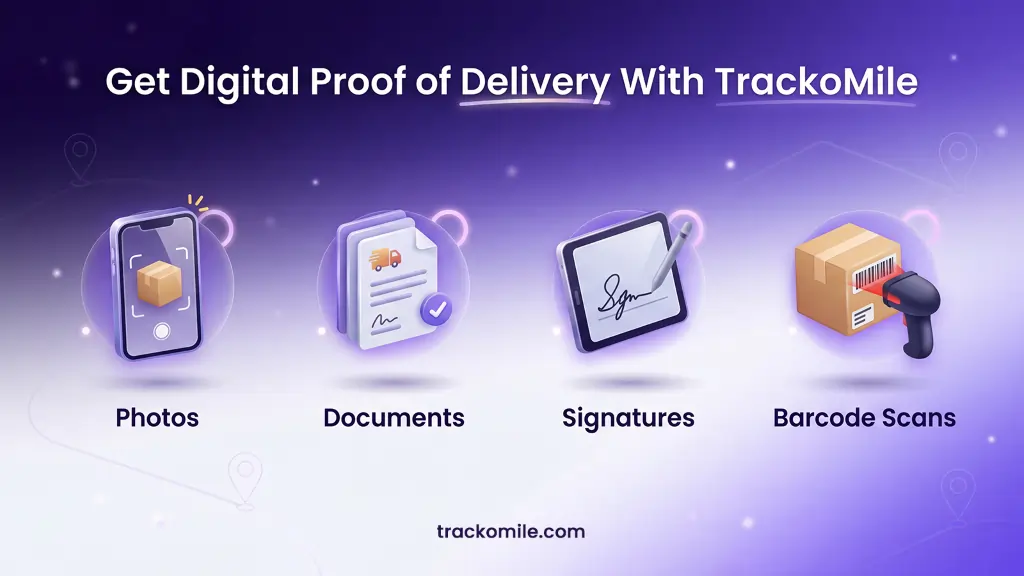
Photo capture, signature capture and geo stamped delivery confirmation reduce disputes and manual paperwork. This lowers admin workload and speeds up billing cycles.
6. Plan Preventive Maintenance
Regular servicing avoids sudden breakdowns. A grounded vehicle disrupts routes and increases overtime costs. Preventive maintenance reduces long term repair expenses.
How TrackoMile Helps Reduce Last Mile Costs
TrackoMile is designed to bring visibility and control into last mile operations.
It helps businesses:
- Track vehicles in real time with GPS monitoring
- Use dynamic dispatcher to assign orders and routes to riders
- Optimise routes to reduce travel distance and fuel use
- Improve first attempt delivery through automated notifications and customer happiness code
- Capture digital proof of delivery in form of images, documents etc. with geotags and time stamps
- Monitor rider productivity and routes through analytics dashboards
By improving route efficiency, reducing reattempts and increasing driver productivity, TrackoMile helps businesses significantly lower last mile delivery expenses.
Get Digital Proof of Delivery With TrackoMile
Final Thoughts
There are many reasons that make last mile delivery expensive. Fuel, wages, failed deliveries and maintenance all add up to last-mile delivery costs. Plus, rising customer expectations and urban congestion make the challenge even bigger. But the solution is not cutting corners. It is building smarter, more efficient last mile delivery systems.
Even a 10% increase in operational efficiency can transform profit margins. Data driven routing, real time visibility and dynamic rider dispatch can turn last mile delivery from a cost burden into a competitive advantage.
You can explore TrackoMile to learn in detail how to optimise your last mile delivery operations.
FAQs
-
Why are the factors that make last mile delivery expensive?
Last mile delivery costs a lot because it involves many small and scattered deliveries. Drivers must travel to different locations instead of one central place. Traffic, fuel, and delays increase time and expenses. Failed deliveries and repeat visits also add to the cost. Rising customer expectations further result in high delivery costs.
-
What is the biggest challenge in last mile delivery?
The biggest challenge is managing deliveries efficiently while keeping costs low. Traffic, wrong addresses, and failed delivery attempts slow down operations. Companies must also handle high delivery volumes and customer expectations. Lack of visibility into driver activity makes the problem worse.
-
How profitable is last mile delivery?
Last mile delivery can be profitable if managed well. Companies must control fuel, labour, and delivery time. Efficient route planning and real-time tracking improve productivity. Poor planning increases costs and reduces profit. Technology plays a key role in making last mile delivery profitable.
-
How can companies reduce last mile costs?
Companies can reduce last mile costs by improving route planning and reducing travel distance. Assigning the nearest driver to each delivery saves time and fuel. Real-time tracking helps managers monitor progress and avoid delays. Delivery automation and better scheduling also improve efficiency and reduce waste.
-
How does route optimisation reduce delivery cost?
Route optimization software helps drivers take the shortest and fastest path. This reduces fuel use and travel time. Drivers can complete more deliveries in less time. It also reduces vehicle wear and labour costs. Better routes improve overall efficiency.

Mudit is a seasoned content specialist working for TrackoField. He is an expert in crafting technical, high-impact content for Field force manage... Read More


Related Blog
How to Scale Quick Commerce Beyond 10 Minutes with TrackoMile
TrackoMile transforms chaotic last-mile logistics into a predictable, automated, and high-margin retail powerhouse. See how it works in quick commerce.
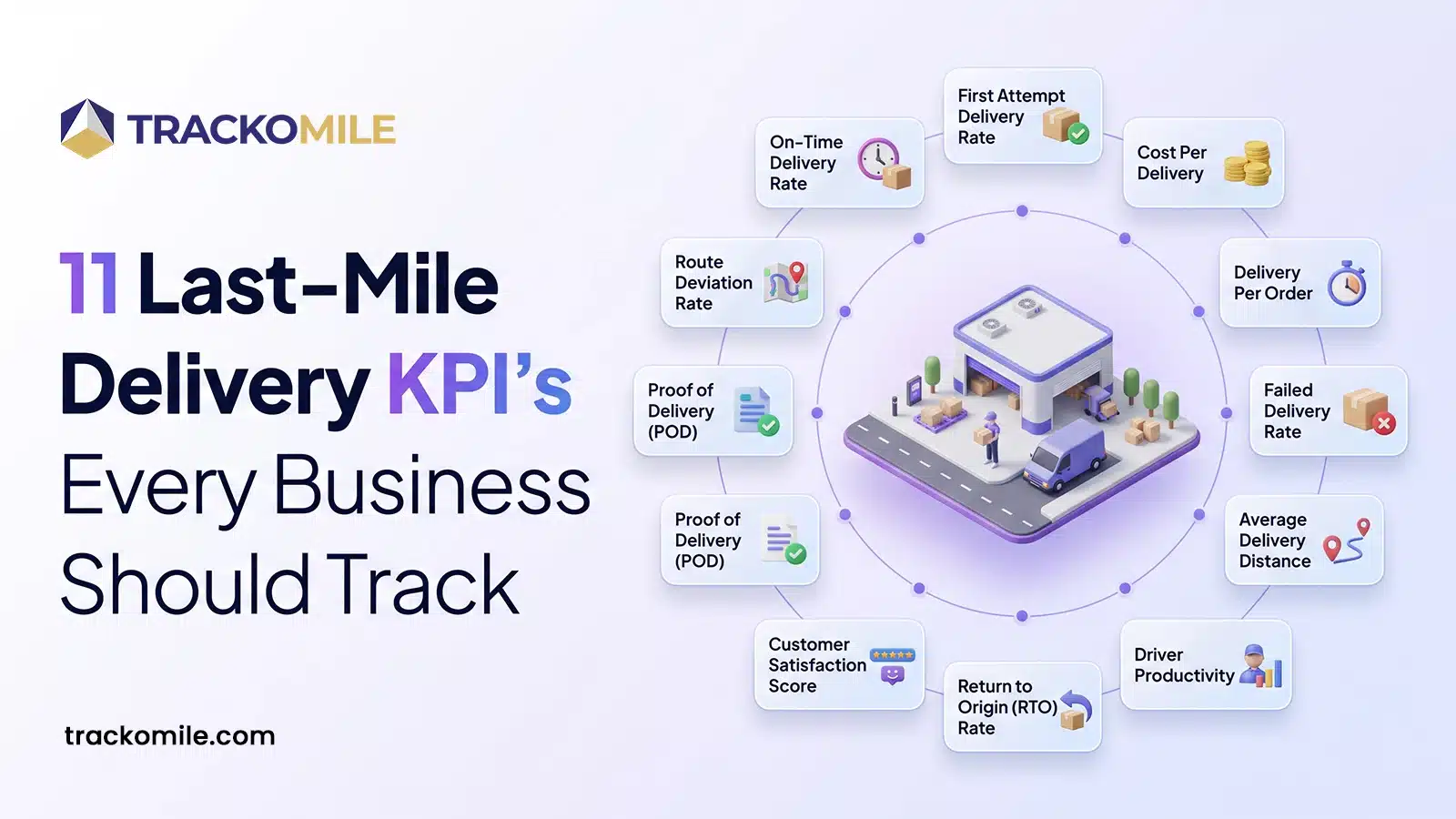
Last Mile Delivery KPIs & Metrics: 11 Essential Metrics to Track
To improve last mile operations, it’s important to track 11 essential last mile delivery KPIs like on-time delivery rate, cost…
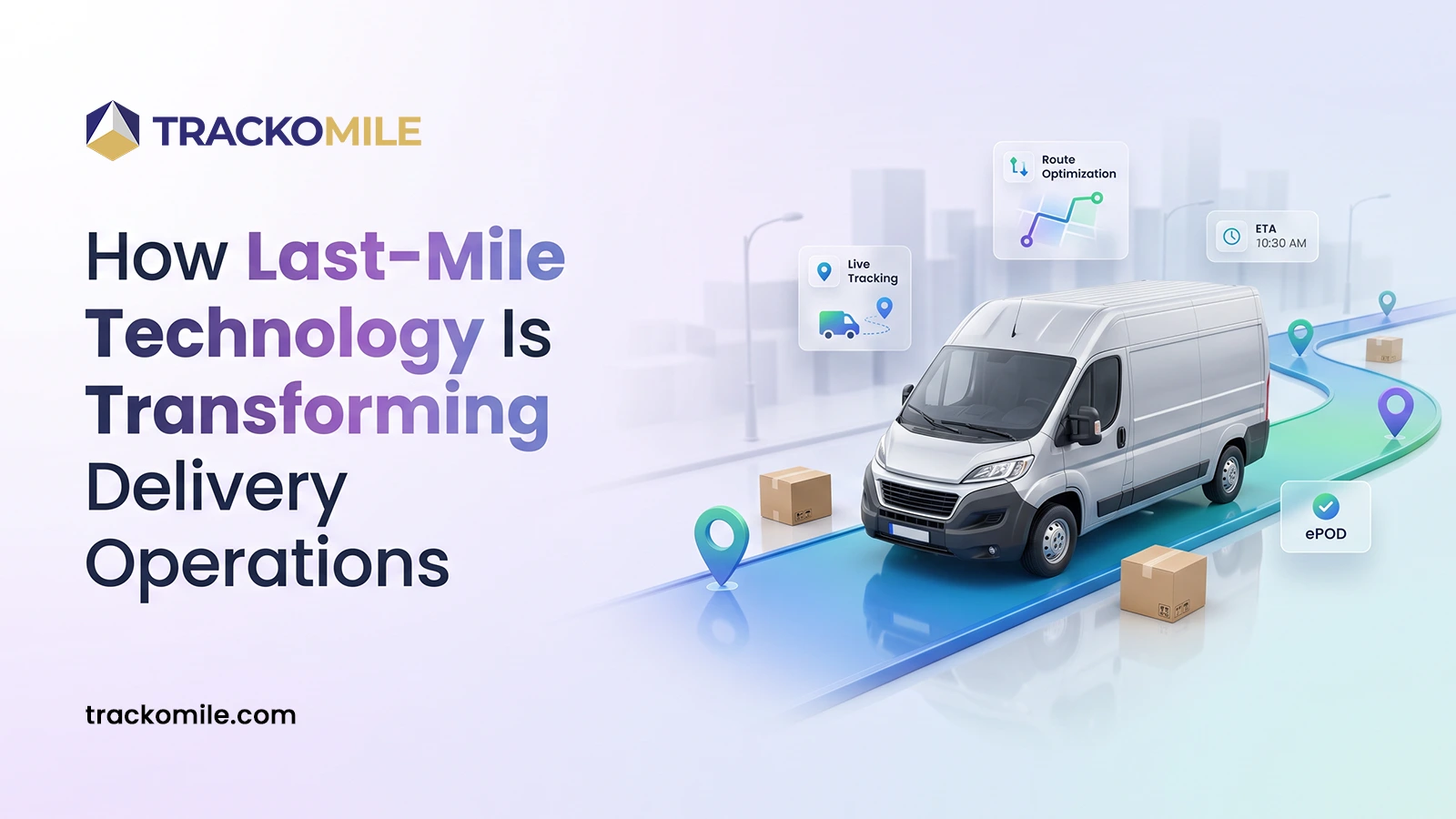
Last-Mile Technology: 6 Technologies Transforming Delivery Operations
Learn how last-mile technology combines routing, dispatch, tracking, ePOD, and analytics. Improve your businesses’ delivery speed, visibility, efficiency, and customer…
What is On-Demand Delivery Management Software: Types, Features, & Benefits
This blog explores on-demand delivery management software, its key benefits, and must-have features. Also, we will explore how to choose…


Your inbox awaits a welcome email. Stay tuned for the latest blog updates & expert insights.
"While you're here, dive into some more reads or grab quick bites from our social platforms!"Stay Updated on tech, telematics and mobility. Don't miss out on the latest in the industry.