
Quick Summary

- Last mile delivery accounts for up to 53% of total shipping costs, highlighting its importance in maintaining profit margins.
- Efficient last mile delivery enhances customer satisfaction by providing real-time tracking and timely deliveries, reducing complaints.
- Utilizing last mile delivery software improves operational visibility, allowing managers to monitor deliveries and respond to issues quickly.
- Effective last mile delivery minimizes reattempts and operational costs, ensuring a smoother process and better resource utilization.
This guide covers the importance of last mile delivery, key benefits, and the role of software in improving daily operations.
Up to 20% of delivery failures happen in the last mile, and that’s what your customers remember. Logistics managers can run everything perfectly inside the facility, but if the delivery goes wrong, that’s what defines the customer experience. Late arrivals. Failed attempts. Endless “Where is my order?” calls. Most of these problems happen in the last mile. They don’t just hurt brand reputation but also increase operational costs.
In fact, the last mile alone can account for nearly 53% of total shipping costs. This means even small gaps at this stage directly impact margins. It is exactly where the importance of last mile delivery becomes clear.
Keeping this in mind, here are 10 practical benefits that highlight the importance of last mile delivery in 2026.
What is Last Mile Delivery?
Last mile delivery is the final step of the order journey, moving a package from the local hub to the customer’s doorstep. Sounds simple, right? But it’s not; this is where most delays, delivery issues, and cost pressures actually show up.
The last mile is where everything comes together. Route planning, rider coordination, traffic delays, and whether the customer is even available. If something goes off track here, the impact is immediate. That’s why this part of the delivery process now carries so much weight in daily operations.
10 Key Benefits of Efficient Last Mile Delivery?
Cost control, customer satisfaction, and real-time visibility are some major benefits of last mile delivery. Continue reading to know more.
Facts About last Mile Delivery
1. Better Cost Control
Last mile delivery is expensive. Fuel, rider payouts, vehicle maintenance, and reattempts; it all stacks up quickly. When routes aren’t planned properly or deliveries fail on the first attempt, costs rise quietly. No one notices immediately. But over time, those small gaps affect profit margins.
An efficient last mile setup reduces unnecessary kilometers and improves first-attempt deliveries. This is where route optimization software plays a big role. By planning smarter routes, businesses can cut fuel waste, reduce delays, and improve overall delivery performance.
2. Improved Customer Satisfaction
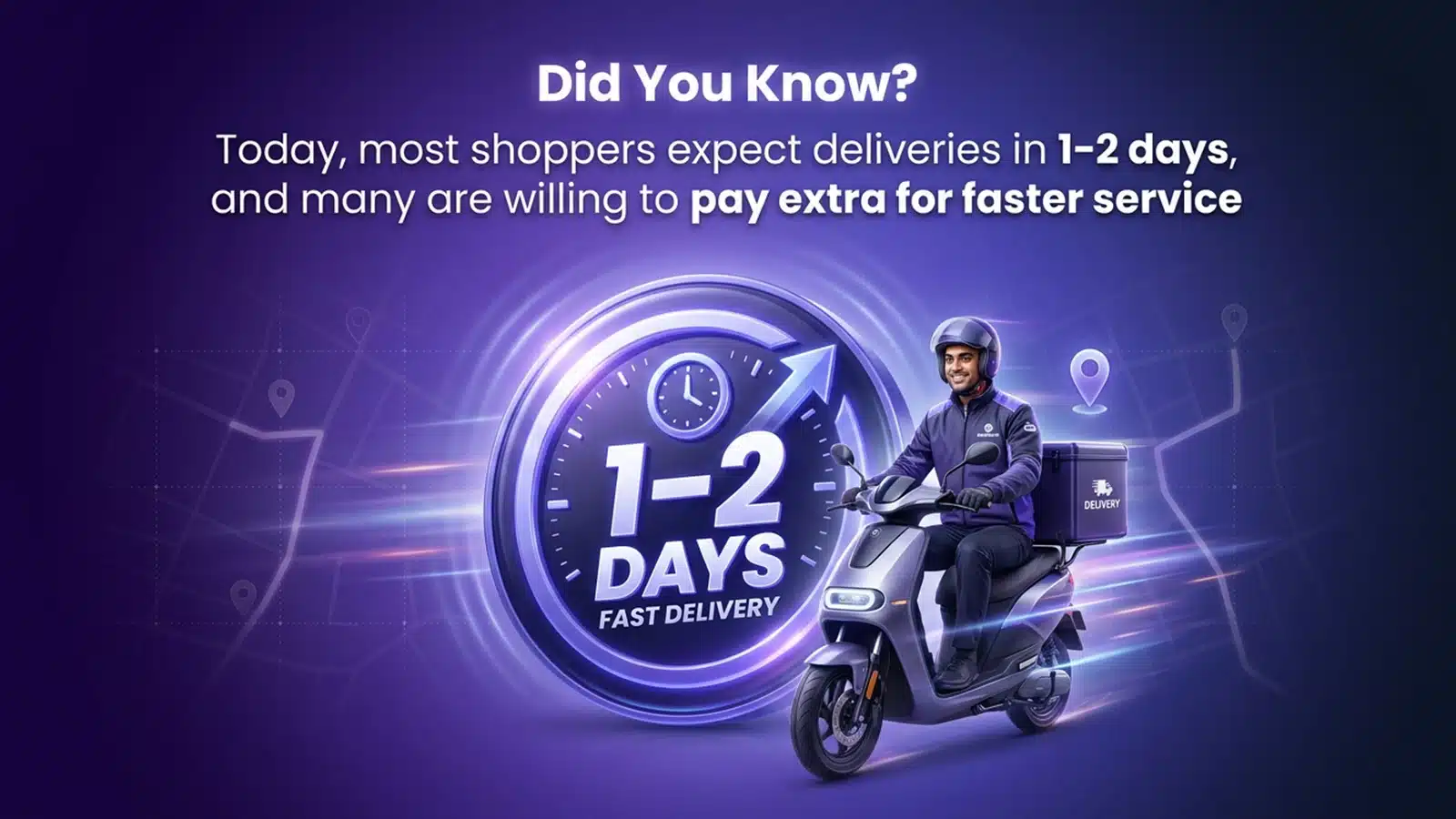
Customers now expect fast deliveries along with clear visibility into arrival times. If a delivery gets delayed or there’s no clear update, they get annoyed quickly.
This is where the importance of final mile delivery shows up in real terms. Many businesses now use last mile delivery software so they can manage routes, share live tracking links, and capture digital proof of delivery.
When customers know where their order is and when it will arrive, complaints drop. The experience feels smoother. And that directly improves satisfaction.
3. Better Operational Visibility
When managers don’t have clear visibility, daily delivery operations feel messy. They end up calling riders, checking updates manually, and trying to figure out what’s delayed and what’s done. It wastes time.
With proper last mile visibility, you can see everything in one place. Where riders are, which orders are delivered, and what’s still pending. If something slows down, you know it early. So, managers can act faster and keep deliveries under control.
4. Faster Deliveries
Last mile delivery is the stage that decides how quickly orders reach customers. Even if everything before it runs perfectly, delays in the final stretch slow down the entire process.
When the last mile is efficient, deliveries happen faster. Riders complete more orders in a day, and customers get their packages on time. That’s why last mile delivery is important : speed here directly impacts both customer satisfaction and operational efficiency.
5. Improves Resource Utilization
Last mile delivery companies often use last mile delivery software like TrackoMile to assign deliveries based on vehicle capacity, rider availability, and plan routes efficiently. This keeps riders productive and cuts unnecessary travel. This allows riders to complete more orders each day and ensure ETAs.
By using resources this way, companies can not only save cost, but they can scale without any extra vehicles or riders.
6. Enhanced Brand Reputation
At the end of the day, customers care about one thing, did the order reach on time or not? If it’s late, they notice. And they remember it.
Consistent on-time deliveries build customer trust and encourage repeat business. Missed commitments, however, directly impact retention and future order volumes. For a new business, getting the last mile right protects your reputation before it’s ever at risk.
7. Fewer Re-Attempted Deliveries
Failed deliveries waste time, money, and rider effort. Every extra attempt adds more kilometers and delays other orders as well. This is where the importance of last mile delivery software really shows. It helps teams plan routes better, check if the customer is actually available, and aim to deliver the order in one go.
When the delivery happens on the first attempt, riders don’t waste time going back. Customers don’t have to wait again. The day feels a lot less messy. Fewer reattempts simply mean lower costs and fewer daily issues.
8. Real-Time Tracking and Transparency
If your business is just starting out with deliveries, customers will notice every hiccup. Late packages, missing updates, and endless “Where is my order?” calls can quickly damage your brand reputation.
Efficient last mile delivery ensures orders are visible in real time. Customers get updates via SMS, WhatsApp, or email. This can sometimes reduce WISMO inquiries by up to 90%.
9. Data Driven Insights
Every delivery gives you valuable information. This includes fuel usage, where delays happen, and how riders perform. Ignoring this data means missing chances to improve operations.
So, the importance of last mile delivery optimization shows up here. By tracking these insights, managers can make smarter decisions every day. They can assign riders better, adjust routes quickly, and reduce repeated mistakes.
10. Compliance and Proof of Delivery
Lost packages, missed signatures, or wrong deliveries can slow down operations and frustrate both managers and customers. Customers call to ask, “where is my order”? managers chase updates with riders, and the day just gets messier.
A solid last mile setup keeps everything documented. Every delivery is tracked, signed off, and recorded. That means no surprises, fewer disputes, and everyone knows the job is done right.
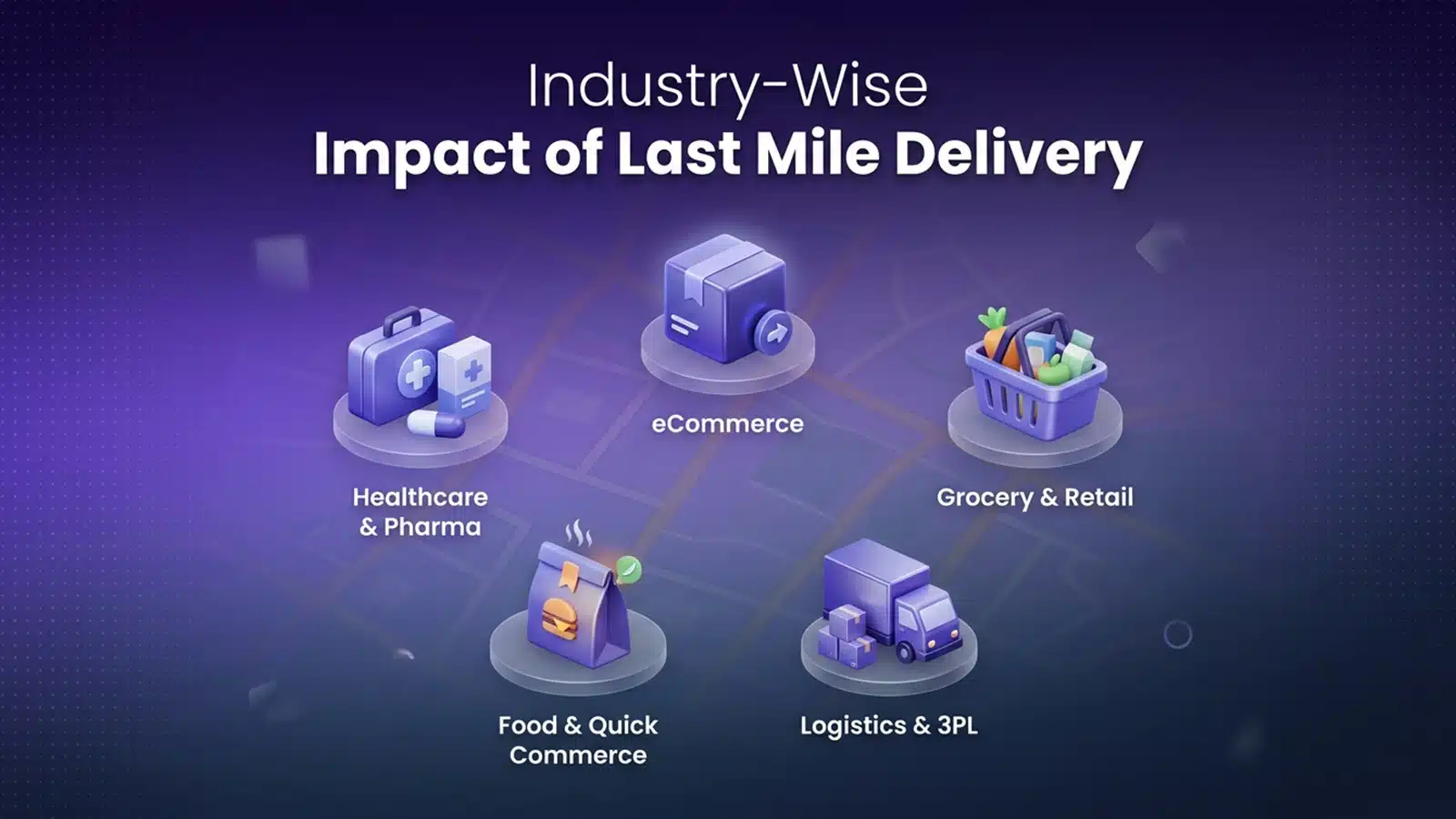
Industry-Wise Importance of Last Mile Delivery
Industry wise Impact of Last Mile Delivery
The importance of last mile delivery isn’t the same for every business, but it always comes down to three things: cost saving, customer satisfaction, and smooth operations.
For more detailed examples and industry use‑cases, check out our blog- how last mile delivery software benefits various industries.
Below are key industries where last mile delivery plays a big role. Keep reading.
-
Ecommerce
The importance of last mile delivery in e-commerce directly affects repeat sales. When orders arrive late or tracking isn’t clear, customers lose patience. And once that happens, repeat orders drop. When deliveries are handled properly, you don’t deal with constant complaints or unnecessary returns.
-
Grocery & Retail
In retail, last mile delivery directly affects revenue. If orders reach customers late, they lose trust and may not buy again. Delays also increase refunds and complaints. When deliveries happen on time, customers stay satisfied and your business keeps growing.
-
Logistics & 3PL
The importance of last mile delivery in logistics shows profit margins. If a delivery window is missed, it often means reattempts. That adds extra fuel usage and delays for other shipments. When deliveries happen on time, routes stay efficient, fuel costs stay under control, and the whole operation runs better.
-
Food & Quick Commerce
In food delivery, speed defines the experience. A late order doesn’t just disappoint customers, but it also drives refunds and negative reviews. Strong last mile coordination protects margins and customer ratings.
-
Healthcare & Pharmaceuticals
In healthcare, last mile delivery can’t go wrong. If medicines or medical supplies are delayed, patient care gets affected. There’s no room for guesswork. Deliveries need to reach safely, on time, and with proper proof.
Conclusion
Last mile delivery is the part of operations where small gaps turn into real costs. Missed delivery windows, extra fuel burn, and repeat attempts might not seem like a big deal at first. But when it keeps happening, the impact adds up. Margins get tighter. Schedules start slipping. Teams spend more time fixing issues than actually delivering.
When this stage is handled well, things run differently. Deliveries reach on time. Costs stay under control. And teams can focus on the work instead of constant follow-up. This is where the importance of last mile delivery software becomes clear. Managing routes, tracking orders, handling proof of delivery, and keeping customers updated manually just doesn’t scale.
Solutions like TrackoMile help businesses bring everything into one place, from route optimisation and live tracking to delivery confirmation and performance reports. Instead of reacting to problems, teams stay in control from dispatch to doorstep.

How trackoMile Powers Every Industry
Frequently Asked Questions
-
What are the key benefits of last mile delivery?
The benefits of last mile delivery are pretty simple. You save money because there are fewer repeat trips and less fuel wasted. Orders get delivered more quickly. There are fewer failed deliveries. Managers can see what’s happening in real time, so problems don’t pile up during the day.
-
What is the importance of last mile delivery in supply chain?
You can manage inventory and transport perfectly, but the supply chain only feels complete when the final delivery happens on time. If that last step fails, everything before it loses impact. Delays create rework, extra costs, and unnecessary follow-ups. When the last mile runs smoothly, the whole chain feels stable.
-
What is the importance of last mile delivery in logistics?
In logistics, most extra costs don’t come from planning. They happen on the road. A missed delivery window usually means another trip. That adds fuel and time. If the last mile is planned and tracked properly, those extra costs don’t build up.
-
How does the importance of last mile affects customer satisfaction?
Customers remember the delivery experience more than the dispatch process. If an order arrives late or there’s no update, it creates doubt. Clear tracking and on-time delivery keep things simple.

Parul is a content writer with 2+ years of experience in B2B and SaaS domains. She creates clear, actionable content for TrackoBit and TrackoMile, focusing on fleet management, last-mile delivery, and... Read More


Related Blog
Building Resilient Delivery Operations with TrackoMile in 2026 and Beyond
Logistics businesses build resilient delivery networks with TrackoMile. But how exactly? With real-time route optimization, automated scheduling, and end-to-end fleet…
How to Scale Quick Commerce Beyond 10 Minutes with TrackoMile
TrackoMile transforms chaotic last-mile logistics into a predictable, automated, and high-margin retail powerhouse. See how it works in quick commerce.
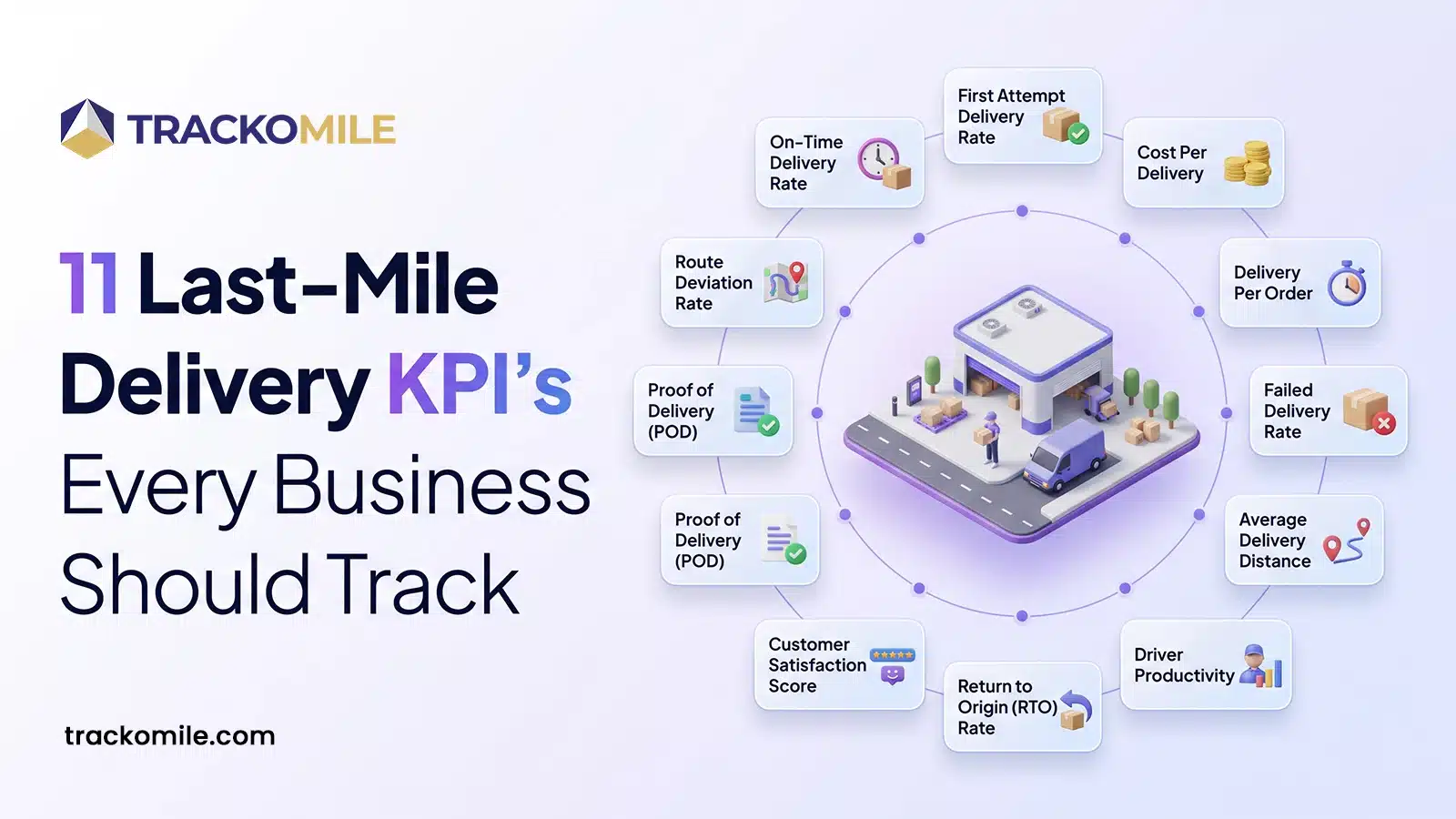
Last Mile Delivery KPIs & Metrics: 11 Essential Metrics to Track
To improve last mile operations, it’s important to track 11 essential last mile delivery KPIs like on-time delivery rate, cost…
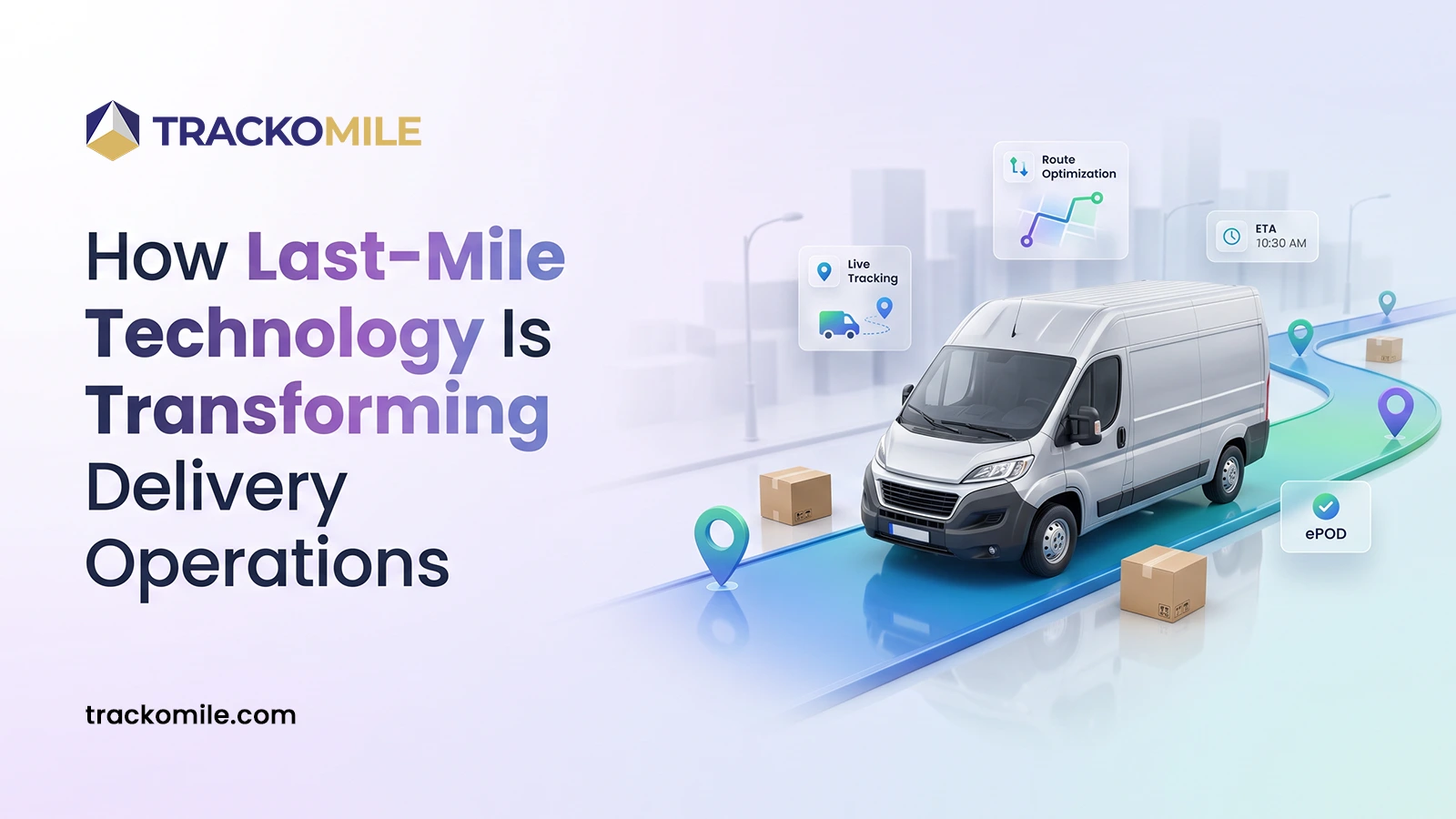
Last-Mile Technology: 6 Technologies Transforming Delivery Operations
Learn how last-mile technology combines routing, dispatch, tracking, ePOD, and analytics. Improve your businesses’ delivery speed, visibility, efficiency, and customer…


Your inbox awaits a welcome email. Stay tuned for the latest blog updates & expert insights.
"While you're here, dive into some more reads or grab quick bites from our social platforms!"Stay Updated on tech, telematics and mobility. Don't miss out on the latest in the industry.