
Explore route optimization, how it works, why it is essential for last-mile delivery, and the best practices for choosing the right software.
Rising customer expectations and volatile fuel costs are driving logistics businesses towards using advanced technology to manage their last-mile delivery operations. The most in-demand technology currently is route optimisation. It uses real time data and multiple factors like traffic, vehicle capacity, and the no. of orders to create the most efficient route for delivery teams. The result is less fuel usage, reduced travel time, and less rider fatigue. But the best thing about route optimization is that customers receive their orders on time while the cost per delivery remains largely unaffected.
But choosing the right route optimization software for your business is also critical. The wrong software may exacerbate delivery issues. This guide explores the working, benefits and challenges of route optimisation software for last mile deliveries.
What is Route Optimization?
Route optimization is the process of finding the most efficient sequence and path for a delivery fleet to complete a set of stops. It’s not just about minimising the distance travelled. Route optimization also considers:
- Delivery time windows
- Vehicle capacity
- Rider hours
- Road conditions
- Live traffic
For a last-mile fleet, this means sequencing 50, 100, or more stops in a single shift so every delivery fits the available time and every window is honoured. The same logic applies to field service visits, waste collection routes, and sales calls: serve the most stops in the least time and at the lowest cost.
Modern route optimization runs on software, not manual planning. Rider scheduling algorithms weigh hundreds of variables in seconds, a scale no dispatcher can handle manually, regardless of fleet size.
What Is the Difference Between Route Optimization and Planning?
Route planning and route optimization are often confused for one another, but they are two very different operations.
- Route planning creates a route based on stops, locations and schedules.
- Route optimisation improves that route using real-time data and delivery constraints as on-road conditions change.
In other words, planning answers “Where should we go?” while optimisation answers “What is the best way to go?” Let’s understand the difference with the help of the following table.
| Route Planning | Route Optimisation |
| Helps answer where riders need to go | Helps answer the best way to get there |
| Focuses on covering all planned locations | Focuses on reducing time, distance and cost |
| Often relies on fixed routes or manual inputs | Uses data and algorithms to make route decisions |
| May consider basic factors such as location and shifts | Can consider traffic, delivery windows and vehicle capacity |
| Routes may remain unchanged during the day | Routes are adjusted automatically when conditions change |
| Works well for simple delivery operations | Better suited to large or complex delivery networks |
| Requires more manual decision-making | Automates route decisions |
How Does Route Optimization Work?
The process of route optimization involves data processing, setting rules, comparing routes, rider allocation, and real time tracking. Read in detail.
1. Add Locations & Delivery Data
The process involves route planning based on existing data like:
- Delivery addresses
- Stop locations
- Customer priorities
- Delivery timelines
- Rider or team shifts
A preliminary route is created for teams or individual riders to follow.
2. Set Rules & Constraints
The second step involves weighing in constraints or rules that affect deliveries on the ground. A customer may require delivery within a two-hour window, a vehicle may hold no more than 5 packages, and a rider may be limited to an eight-hour shift. Therefore, the software considers rules like:
- Delivery window
- Vehicle type & capacity
- Rider availability
- Real-time Traffic
- Stop sequence
- Customer availability
These rules decide which routes are ideal to work well in real-world conditions.
3. Compare Possible Routes
The route optimization software checks different combinations of stops and routes. Fastest route may not be the shortest one. Traffic, distance, road conditions and multi-stop trip sequencing decide which route is the most efficient. Most tools use AI or machine learning algorithms to process routes. Last mile routing software like TrackoMile can process thousands of routes and decide the best one.
4. Assign Routes to Riders
Once the routes are ready, they can be assigned to riders through their mobile app. The navigation details, rest stops, and buffer time are all accounted for in the route. The app also stores the route history for managers to later analyse.
5. Adjust Routes in Real Time
Routes may change during the day. Traffic, delays, cancellations or new orders are common in last-mile delivery operations. When conditions change, route optimization software recalculates the route in real time. Thus, no resources are wasted.
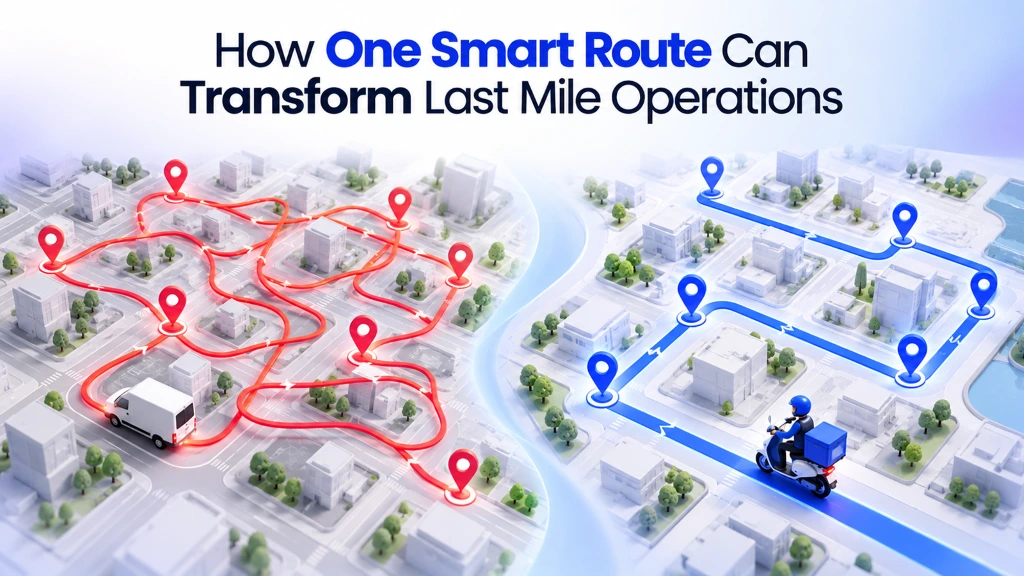
How One Smart Route Can Transform Last Mile Operations
Key Features of Route Optimization
Top route optimization software comprises essential features like real-time GPS tracking, rule-based optimization, live route adjustment, rider app and analytics. See details below.
1. Rule-Based Optimization
The most essential feature of a route optimisation platform is rule-based optimisation. In this case, rules refer to time windows, vehicle capacity, rider quota & shifts, and order priority. Based on these rules, the software creates the shortest, fastest and most efficient path for riders. It also ensures:
- Workloads remain balanced. No rider is over or underworked.
- Time for proof of delivery collection, unloading, and parking is considered.
- Multiple stops are arranged on the same route to save fuel and rider time.
2. Live Route Adjustment
A route planned weeks ago may get inefficient by the actual date. New orders may come in. Traffic may increase. A rider may fall behind schedule. AI-powered dynamic routing helps teams respond to these changes without manually rebuilding every route.
3. Real-Time Tracking & ETA Visibility
Real-time GPS tracking reveals what exactly is happening on the ground. It helps managers compare planned routes with actual rider movement. This can reveal delays, route deviations, long stops, or unexpected idle time. Customers also receive accurate ETAs and tracking links.
4. Mobile App for Riders
An easy-to-use and intuitive rider app ensures riders can smoothly view routes, navigate and collect proof of delivery. Instant alerts ensure riders stay informed of routes in advance. It also reduces support calls to dispatchers and makes status updates easier.
5. Analytics & Reporting
Every delivery manager should track delivery metrics like:
- Distance travelled
- Route durations
- On-time delivery rate
- Stops per vehicle
- Cost per delivery
Analysing this data helps businesses understand whether their routes are improving operations or not.
What are the Key Benefits of Route Optimization?
The benefits of route optimization show up within weeks of adoption in the form of lower operating costs, more stops per shift and better rider performance. Discover the full list below.
1. Lower Fuel & Operating Costs
Optimized routes reduce unnecessary travel distance and time, which also lowers fuel costs and other expenses incurred during a delivery. Shorter, smoother routes place less strain on vehicles and fewer miles driven means lower maintenance costs and a longer working life for the vehicles.
2. More Stops Per Shift
When routes are efficient, riders spend less time in transit and more time actively delivering. Each rider can then complete more stops within the same shift, without working extra hours.
3. Better On-Time Performance
Route optimization accounts for changing time windows, traffic and customer unavailability. Routes are adjusted and recalibrated in real time. This cuts late deliveries and missed windows, which lifts the customer experience and prevents complaints.
4. Lower Emissions
Less mileage also means a smaller carbon footprint per delivery. This has become a priority for many businesses to meet environmental compliance rules. Route optimization offers a direct way to cut emissions without completely replacing last mile fleet with electric vehicles.
5. Better Visibility for Dispatchers
Dispatchers get a live view of every route, rider, and delivery status at once. This makes it easier for them to be proactive and catch problems early, such as a delayed stop or a vehicle breakdown. Dispatchers can step in before the issue affects the rest of the day’s schedule.
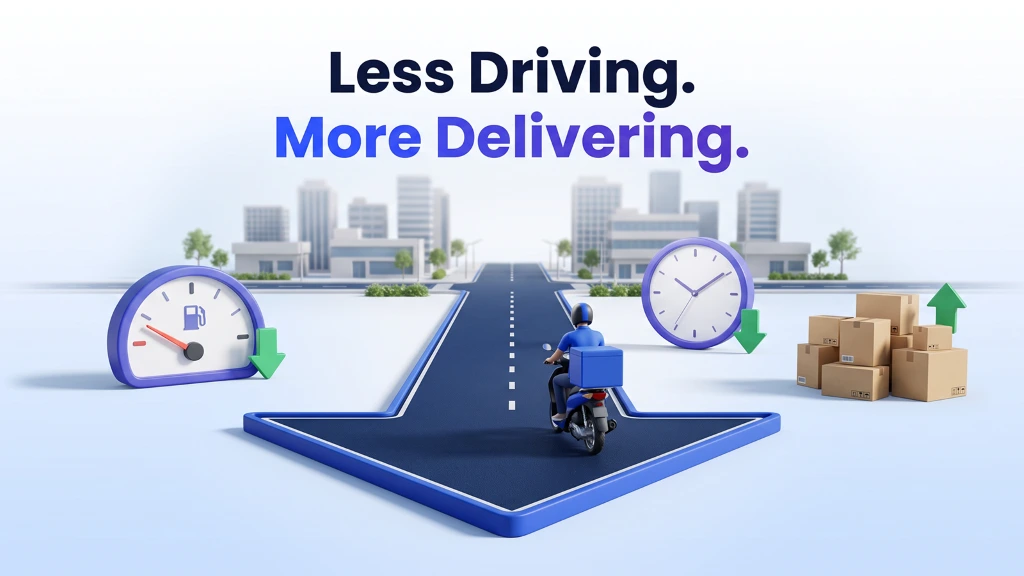
Benefits of Route Optimization
What are the Common Challenges in Route Optimization?
Route optimization brings many challenges like poor data quality, real-time disruptions, and conflicting constraints that businesses often struggle with.
1. Manual Planning Processes
The single biggest challenge to automated route optimisation is the reliance on manual routing. Many organizations still rely on spreadsheets or other manual methods for route mapping. This process is time-consuming, prone to human error, and doesn’t scale well. It also makes it difficult to optimize for dynamic factors like traffic, changing delivery windows or rider availability.
2. Poor Data Quality
Good delivery output depends on good data. Wrong addresses, missing vehicle details, and outdated rider shifts not updated can lead to routes that break down during the actual delivery.
3. Real-Time Disruptions
Unpredictable road conditions, traffic and last-minute order changes can disrupt even a well-built route. Systems that cannot adjust in real time lose much of their value and slow down delivery operations.
4. Conflicting Constraints
Every route must meet several rules at once, including time windows, vehicle capacity, and rider hour limits. These rules can clash directly with one another, resulting in long travel times, delayed deliveries or high costs.
5. Rider Adoption
Riders used to manual navigation or those who aren’t tech-savvy often find it difficult to adjust to digital routing. They may not trust the rider app or find it difficult to use.
Best Practices for Optimizing Delivery Routes
The best practices in picking the best route optimization software for your business include understanding your delivery model, setting realistic constraints, getting rider feedback, and prioritising integration.
1. Understand Delivery Model
Only looking at software cost and the feature list isn’t enough. Pick the software that best fulfils your business requirements. It should blend well with your workflow and match your team size, vehicle capacity, locations serviced, and order volume.
2. Set Realistic Constraints
Enter real vehicle capacity, shift limits, and delivery windows, not rough guesses or best-case numbers. Constraints set too loosely produce routes that look strong on screen and still fail during delivery. Before adoption, test the software with actual order and rider data with realistic constraints.
3. Get Rider Feedback
It’s important delivery staff also has a say in the rollout of route optimisation software. They are the ones who know the ground reality. Any issues with the app or delivery model should be addressed promptly.
4. Third-Party Integration
Route optimisation software should smoothly integrate with other third-party logistics tools like ERP, CRM, and order management systems. Seamless integration ensures accurate data syncing across all digital tools. Last-mile delivery software like TrackoMile can easily integrate with over 200 apps with API access.
Why Route Optimization Is the Future of Logistics?
Gone are the days of manual route planning and optimisation. Any business with a stake in last-mile delivery management is looking to adopt route optimisation nowadays. The main factors driving this push are the efficiency of route optimisation. It makes your deliveries faster, smoother, and more cost-effective. Customers are satisfied without riders being overworked.
Only with route optimisation can businesses adjust to increasing fuel costs and rising customer expectations such as doorstep delivery, transparent tracking, and free deliveries. Machine learning and AI-powered routing has further made delivery operations simple.
These technologies help predict traffic conditions, identify recurring delay factors (such as congestion, weather, or incidents), and tailor routes based on the specific constraints of each business.
Hundreds of variables are weighed in seconds, creating the shortest and most efficient routes for riders. AI-based routing will only get better in the future. This level of efficiency has made route optimisation essential rather than optional for logistics businesses.
Conclusion
Route optimisation is no longer just a way to find shorter routes. It has become a practical tool for managing modern delivery operations. It helps get more work done efficiently with the existing resources and budget.
But manual route optimisation is not how these benefits can be achieved. Only with automated route optimization software like TrackoMile can businesses improve their delivery operations. The combination of accurate data, realistic delivery constraints, and feedback from riders and dispatchers make daily delivery operations more predictable and efficient.
The importance of route optimization software is only set to grow in the coming future as delivery volumes grow and customer expectations rise. Businesses that adopt route optimization today shall gain an edge that competitors will find hard to close later.

Frequently Asked Questions
-
What industries use route optimization?
Last-mile delivery relies on route optimization the most. Field service, freight, waste management, and sales teams use it too, since each manages many stops a day. The same logic fits any business moving vehicles at scale.
-
What is the best route optimization software?
No single tool fits every team, since the right choice depends on rider headcount, delivery volume, and features such as live tracking. The best route optimization software is the one that best fits your delivery model and business needs.
-
How does route optimization reduce logistics costs?
Route optimization cuts cost mainly by reducing the extra miles travelled. Less distance means less fuel burned. Shorter routes also lower vehicle wear and rider overtime. Fewer missed windows mean fewer repeat trips, so total cost drops.
-
What factors does route optimization consider?
Route optimization weighs delivery windows and vehicle capacity, since these set firm limits on any route. It also checks rider availability and live traffic, since conditions shift all day.
-
Can Google Maps do route optimization?
Google Maps can map a route and reorder a few stops, but it does not weigh vehicle limits, rider hours, or delivery windows. Dedicated routing software plans and adjusts much better.
-
How much does route optimization cost?
Route optimization software pricing varies a great deal. Total cost depends heavily on team size, delivery volume, and the features a team needs. Most vendors offer pricing per rider, per order, or usage-based pricing models. The best approach is to consider a software offering custom pricing.

Mudit Chhikara writes for TrackoField and TrackoMile at InsightGeeks, covering field operations and last-mile logistics. His work spans routing, delivery operations and technical guides that turn comp... Read More


Related Blog
10 Best Route Optimization Software: 2027 Buyer’s Guide
This guide compares 10 best route optimization software on features, pricing, ratings, and best-fit use case.
10 Delivery Management Best Practices Every Logistics Team Should Follow
Following delivery management best practices can improve order allocation, real-time tracking, and KPIs. These tips reduce delays and last-mile delivery…
What Is Delivery Management? Process, Challenges & Best Tools
Delivery management streamlines order allocation, route optimisation, dispatch, and tracking to reduce costs, improve efficiency, and boost customer experience.
Building Resilient Delivery Operations with TrackoMile in 2026 and Beyond
Logistics businesses build resilient delivery networks with TrackoMile. But how exactly? With real-time route optimization, automated scheduling, and end-to-end fleet…


Your inbox awaits a welcome email. Stay tuned for the latest blog updates & expert insights.
"While you're here, dive into some more reads or grab quick bites from our social platforms!"Stay Updated on tech, telematics and mobility. Don't miss out on the latest in the industry.