
Quick Summary

- Last mile delivery robots are transforming logistics by reducing costs and enhancing customer satisfaction through efficient, autonomous deliveries.
- These robots are already operational in over 20 cities, utilizing advanced technology to navigate and deliver packages directly to customers.
- They offer significant benefits, including up to 60% cost savings, continuous operation, and a reduction in carbon emissions by up to 80%.
- Despite challenges like regulatory restrictions and weather conditions, last mile delivery robots are gaining traction as part of a hybrid delivery approach with traditional fleets.
Last mile delivery robots help businesses avoid traffic, reduce delivery costs, and ensure customer satisfaction. Read to know more.
Do you know that delivery robots are already active in 20+ cities across countries like the United States and some parts of Europe. They are completing deliveries on their own. Plus, companies like Uber and DoorDash are testing and expanding robot and last-mile drone deliveries in different areas.
But here is the real question for logistics leaders: are last mile delivery robots just a fancy thing that big tech is showing off? Or is it something that can actually fit into everyday delivery operations for businesses like yours?
In this blog, we’ll break down why autonomous delivery robots are already being used and where they could take last-mile logistics next.
What Are Last Mile Delivery Robots?
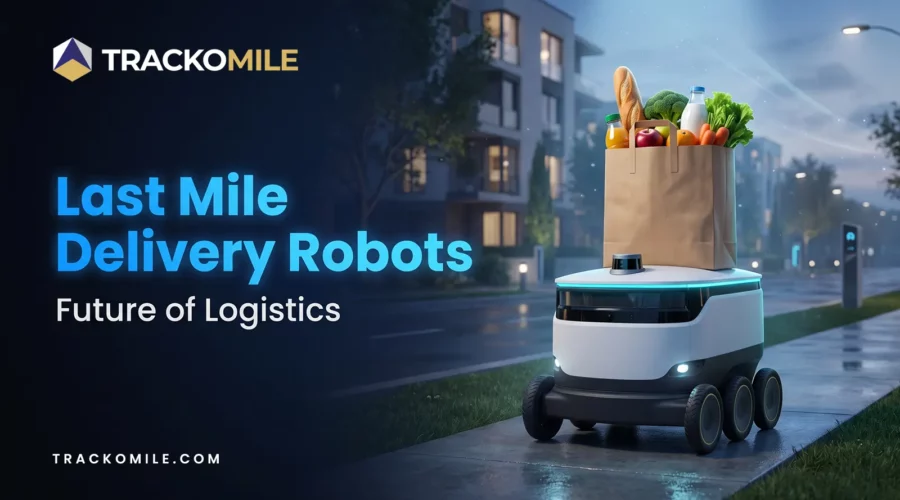
Last-mile delivery robots are small, self-driving vehicles. These carry packages from a nearby hub or store directly to the customer’s doorstep. They are typically used for short-distance deliveries like food or small parcels. With the help of cameras, sensors, and mapping technology, these robots navigate their surroundings. So, they can reach their destination safely.
For delivery businesses, these autonomous delivery robots work as an additional fleet resource. One that does not get stuck in traffic and relies on rider shift. Continue reading to learn more about why these are becoming popular among logistics managers.
Did You Know? Autonomous delivery robots are now legally classified as “pedestrians” in several regions. This gives them the same right-of-way on sidewalks as humans!
Why Last Mile Delivery Robots Are Becoming Popular?
Last mile delivery robots are becoming popular because they solve real problems. This includes delivery costs, increasing carbon emissions, and rising customer expectations.
- Robots help businesses reduce overall delivery costs. Recent studies shows up to 40%–60% cost savings when robots are used alongside traditional delivery fleets.
- They are well-suited for short and repeat deliveries. Especially within fixed areas like societies, campuses, and business parks.
- They can operate continuously for extended hours, supporting near 24/7 delivery movement for specific use cases.
- Most delivery robots are fully electric. They help reduce carbon emissions by up to 80% compared to traditional delivery vans. This makes them a more sustainable option for short-distance deliveries.
But how do these robots actually work? Let’s get into it.
How Do Last Mile Delivery Robots Work?
Last mile delivery robots work within a defined delivery zone. For this, they use a combination of hardware and delivery management software systems.
These have cameras, sensors, GPS, and mapping technology that allow them to move through the streets. By using these inputs, robots can identify their routes and obstacles to avoid collison and stay aligned with its route.
On the software side, AI-based last-mile systems process real-time data from these sensors, so robots can make movement decisions. This allows robots to
- Adjust its path
- Respond to unexpected objects
- Navigate through complex urban or semi-urban spaces.
At the doorstep, the delivery process is very simple for the customer. They receive an app notification, then unlock the compartment by using a PIN or QR code as part of the ePOD process to complete the delivery.
Benefits of Last Mile Delivery Robots for Logistics Companies
Last mile delivery robots help logistics companies to reduce delivery costs, improve efficiency, and boost customer satisfaction. Learn more about how they benefit your day-to-day delivery operations.
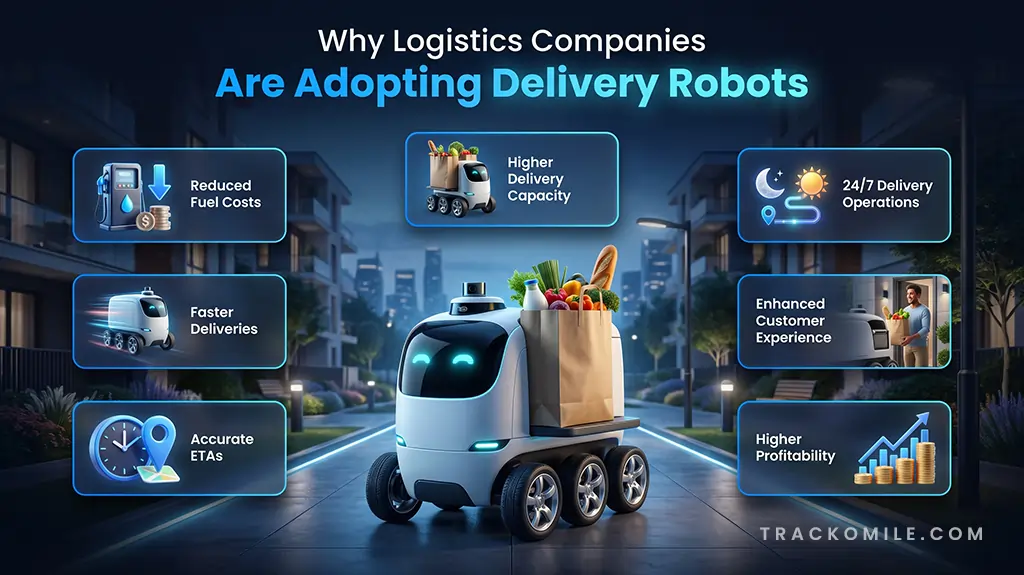
Why Logistics Companies Are Adopting Delivery Robots
Reduced Delivery Costs
One of the biggest benefits of using delivery robots is they can reduce the cost of each delivery. By automating short-distance routes, logistics companies can reduce their dependency on human riders. So, they can minimize repeated trips.
This helps them to save on fuel usage, rider payouts, and idle time.
Faster and Consistent Deliveries
A last mile delivery robot helps logistics companies to reduce ETAs and ensure 30-minute delivery windows. As per the recent industry report, companies using robots for delivery have reduced their delivery window to 30 minutes from 90 minutes.
Improved Efficiency
Delivery robots don’t need breaks, shift changes, or scheduling. Once they’re deployed, they keep moving along optimized routes and can handle multiple deliveries one after another.
This helps reduce delays that usually happen in last mile operations, especially during peak hours.
Sustainability and Lower Emissions
Robots are replacing short-distance trips that would otherwise require vans or bikes. So, they can reduce carbon output, fuel consumption, and urban air pollution.
This allows logistics companies to move toward more sustainable last-mile operations. Plus, they can support ESG and green delivery goals.
Challenges of Last Mile Delivery Robots
Regulatory compliance, payload capacity, and weather conditions are the common challenges. Continue reading to know in detail.
1. Regulatory and Operational Restrictions
One of the biggest challenges of using robots is companies need to deal with local regulations and permissions. They need permission from authorities to use robots on public roads or sidewalks. In many regions, these are still restricted or require specific approvals.
2. Limited Payload Capacity
Most last-mile delivery robots can carry small and lightweight packages. This means, logistics managers can use them to deliver food, groceries, or small boxes.
3. Infrastructure and Navigation Constraints
These robots are only ideal for clear pathways and well-maintained sidewalks. These are still not developed to deliver in uneven roads, crowded sidewalks, or poorly mapped areas. This can impact navigation and lead to delays or failed deliveries in complex urban areas.
4. Weather and Environmental Conditions
Robots cannot deliver in bad weather like heavy rain, snow or very hot temperatures. This kind of weather can damage the sensors, batteries, and wheels of robots.
However, despite these problems, last mile delivery robots are getting. The reason behind this is new developments in robotics and navigation systems. Plus, rules make them more useful for companies.
How Delivery Management Software Powers Robot Deliveries?
Companies that use delivery robots for last mile often rely on delivery management software. So, they can plan routes, assign tasks, and monitor operations in real time. by using a modern software, logistics managers can:
- Plan robot routes efficiently, based on delivery locations, distance, and priority orders.
- Monitor delivery and robot status in real time, to know which robot is active, idle, or delayed.
- Track delivery progress and ETAs, so teams can see if orders are on schedule or running late.
- Manage and assign deliveries from a single dashboard. So, they do not rely on multiple disconnected tools.
Future of Last Mile Delivery Robots
The future of last mile delivery robots isn’t about completely replacing delivery fleets. It’s more about a balanced, hybrid approach where robots and traditional delivery vehicles work together.
Businesses are now focusing on using advanced delivery management software. So, managers can coordinate both systems in one place. This offers better visibility, control, and manage last-mile operations more efficiently. across the entire network.

Frequently Asked Questions
-
Are Delivery Robots Cheaper than Human Delivery?
Yes, autonomous delivery robots are cheaper than traditional human delivery. This is because it involves fuel cost, rider pay, long hours in traffic, and vehicle maintenance cost. While robots handle last-mile movement, softwares like TrackoMile helps businesses maintain better visibility. So, businesses can monitor performance, and ensure deliveries stay on track.
-
Which Companies Use Delivery Robots?
Big companies like Amazon, Walmart, and Uber Eats are actively using last mile delivery robots for food and groceries. Other companies like Nuro and JD.com are also using autonomous robots and vehicles. They use this in controlled environments for last-mile logistics.
-
Can Delivery Robots Replace Drivers?
No, it is wrong to say that delivery robots can fully replace human riders. As of now, these are only suited for delivering small packages in nearby locations. Human drivers are still needed for complex routes and white glove shipments. Plus, in areas where navigation, judgment, and flexibility are required in real-world conditions.

Parul is a content writer with 2+ years of experience in B2B and SaaS domains. She creates clear, actionable content for TrackoBit and TrackoMile, focusing on fleet management, last-mile delivery, and... Read More


Related Blog
How to Scale Quick Commerce Beyond 10 Minutes with TrackoMile
TrackoMile transforms chaotic last-mile logistics into a predictable, automated, and high-margin retail powerhouse. See how it works in quick commerce.
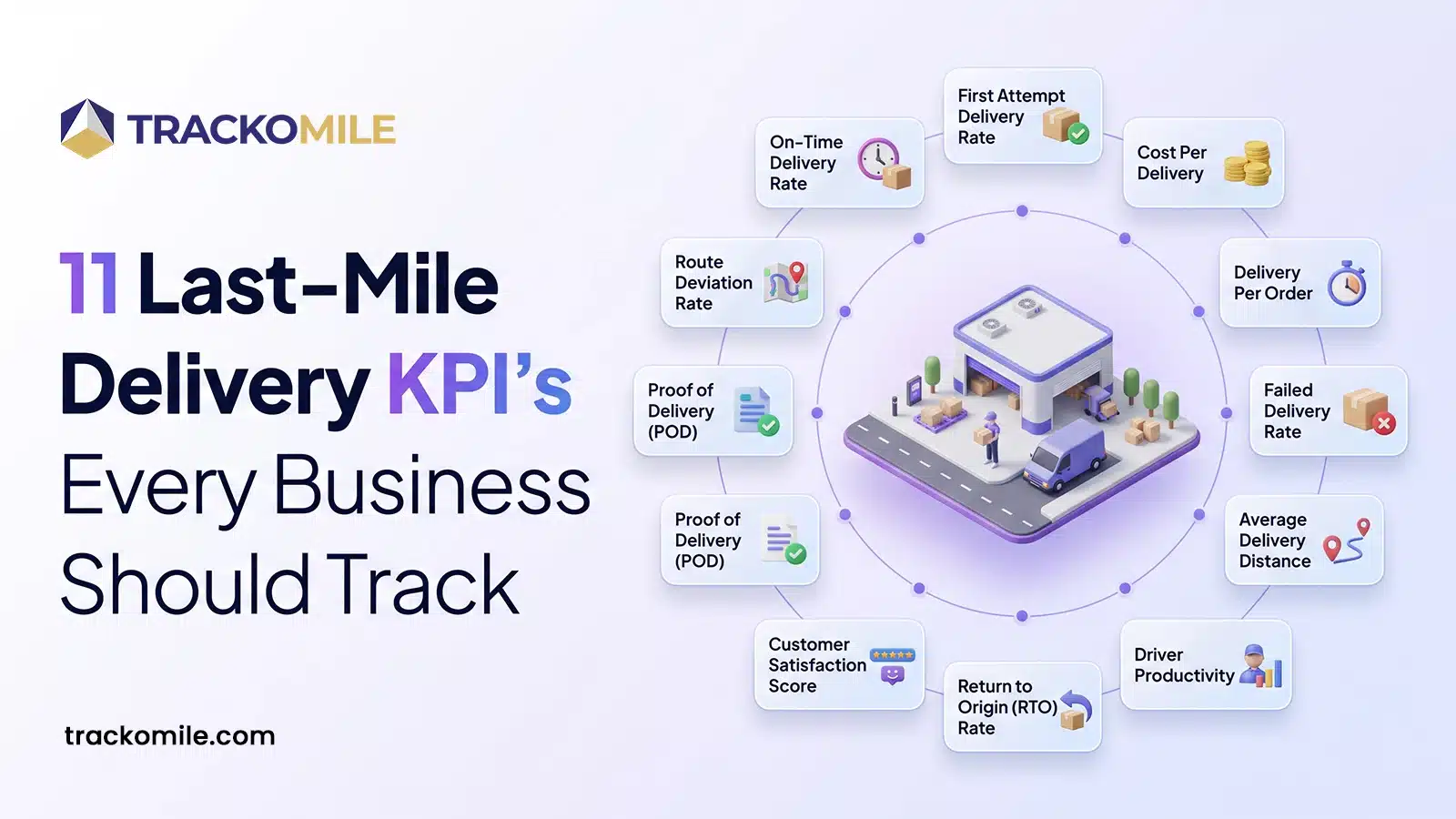
Last Mile Delivery KPIs & Metrics: 11 Essential Metrics to Track
To improve last mile operations, it’s important to track 11 essential last mile delivery KPIs like on-time delivery rate, cost…
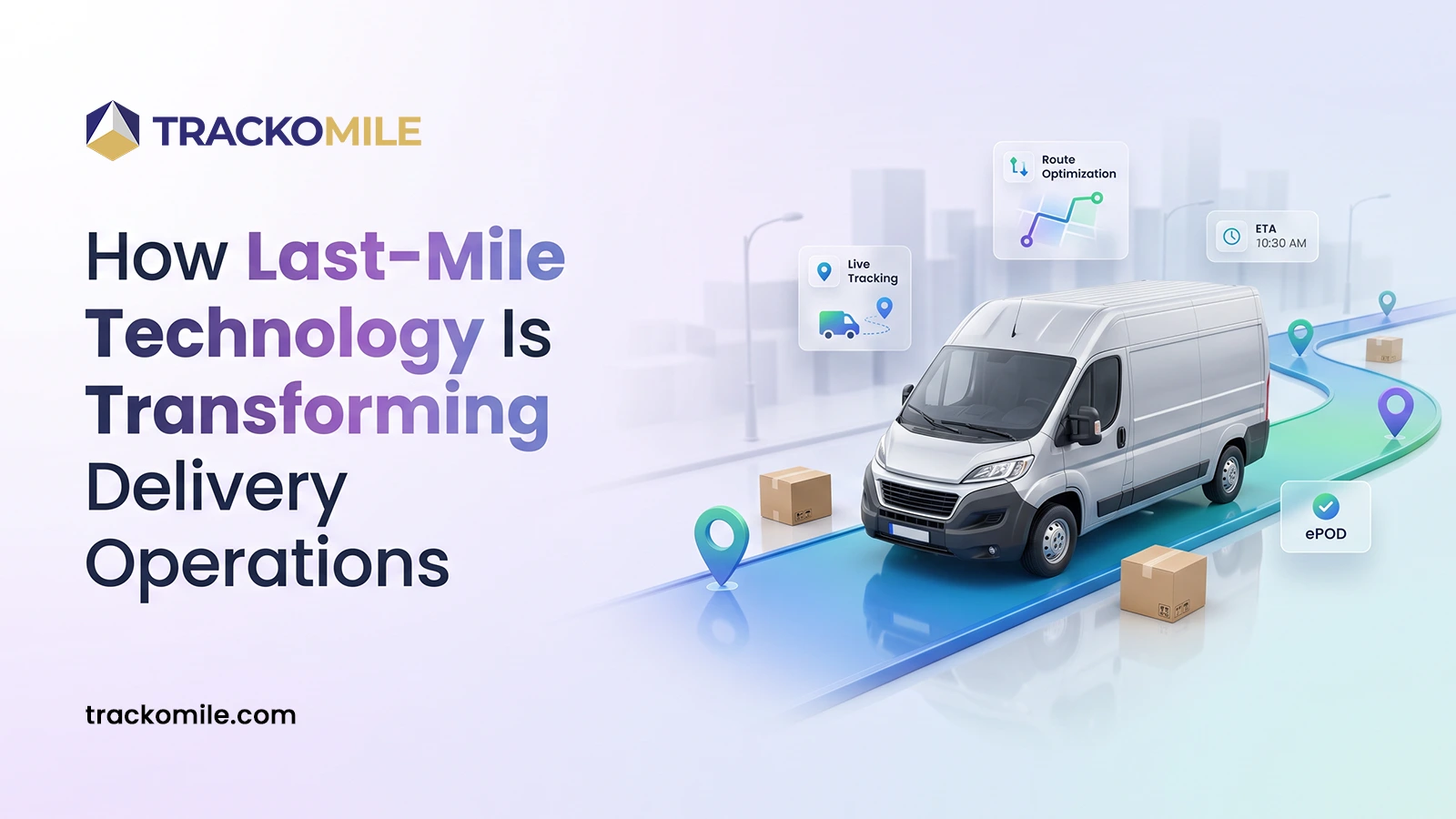
How Last Mile Technology Improves Delivery Speed, Visibility, and Customer Experience
Learn how last-mile technology combines routing, dispatch, tracking, ePOD, and analytics. Improve your businesses’ delivery speed, visibility, efficiency, and customer…
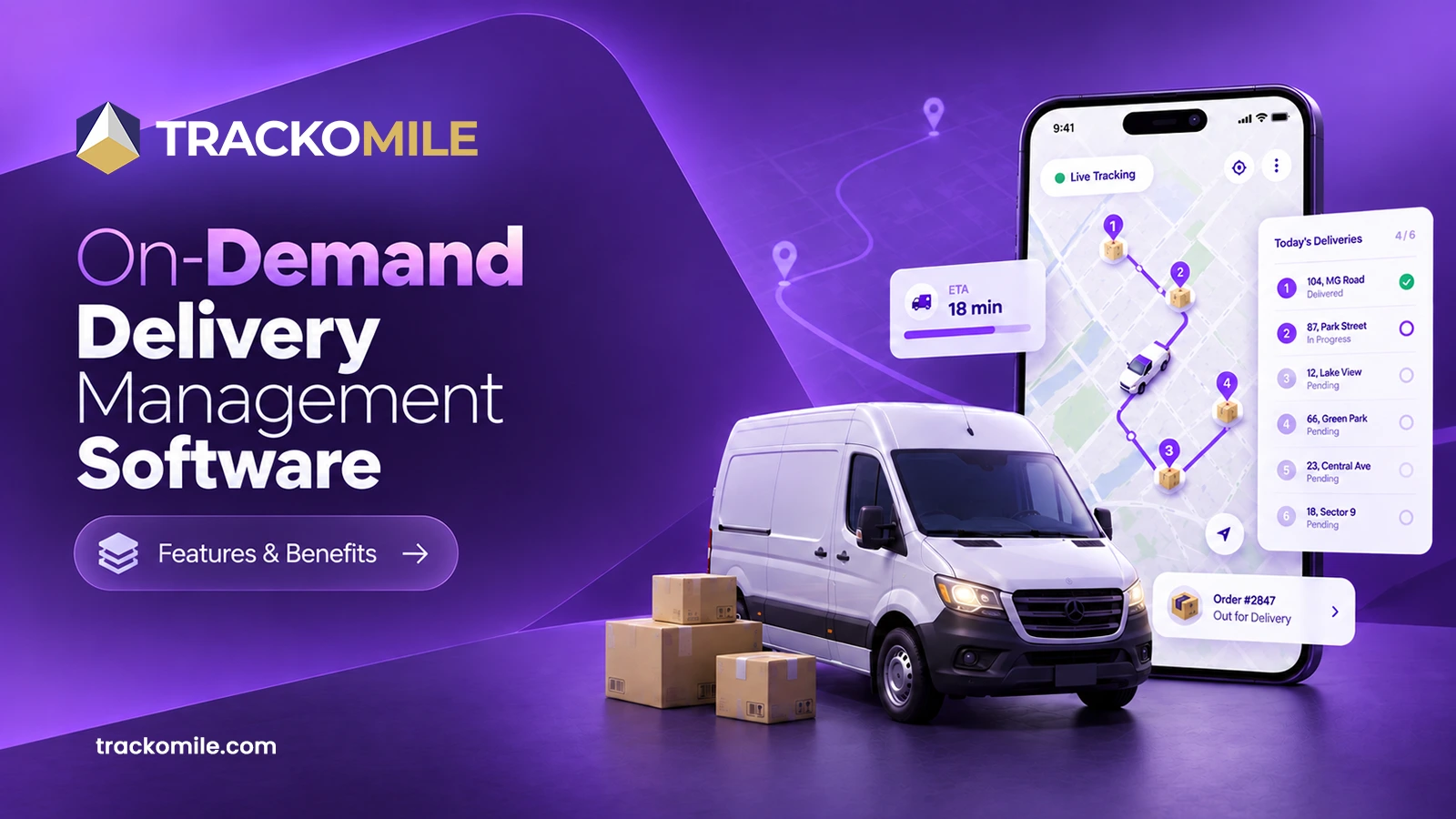
What is On-Demand Delivery Management Software: Types, Features, & Benefits
This blog explores on-demand delivery management software, its key benefits, and must-have features. Also, we will explore how to choose…


Your inbox awaits a welcome email. Stay tuned for the latest blog updates & expert insights.
"While you're here, dive into some more reads or grab quick bites from our social platforms!"Stay Updated on tech, telematics and mobility. Don't miss out on the latest in the industry.