
Quick Summary

- Last mile delivery fulfillment is the final stage of logistics, crucial for managing costs and operational efficiency.
- Key challenges include high delivery costs, inefficient route planning, and lack of visibility, affecting profit margins.
- Optimizing last mile operations involves dynamic dispatching, route planning, real-time tracking, and standardized proof of delivery.
- Future trends focus on automation, AI-powered routing, and sustainability, enhancing efficiency in last mile delivery fulfillment.
Last mile fulfillment is where logistics turn into real delivery outcomes. This blog explains how it works, the key challenges businesses face, and how to optimize your last mile operations.
The concept of last mile fulfillment started with Milk Run. In the early 20th century, fulfillment was simple. A local horse-drawn carriage or truck followed a fixed and repeating loop to every doorstep. Back then optimization just meant showing up on time. But now in 2026, that predictable loop has vanished. In modern logistics, the last mile is the most expensive and complex part of the supply chain. Businesses need to deal with peak hour traffic, last minute order changes, visibility gaps, and cost of massive idling. Plus, your everyday profit margins depend on:
- Dispatch management
- Order allocation and rider management
- Real-time route monitoring
- Fuel and delivery cost.
This is why mastering last mile fulfillment is crucial for businesses. So, they can control and reduce overall operational costs. In this blog, we will explain what last mile delivery fulfillment is, why it matters, and how you can optimize your operations.
What is Last Mile Fulfillment?
Last mile delivery fulfillment is the final stage of the delivery process when an order moves from a distribution hub or store to the end customer. It is the most execution-heavy part of the supply chain and accounts for nearly 53% of the total delivery costs.
Also, it covers everything from dispatching orders to assigning riders. It also takes care of planning routes, tracking deliveries, and collecting ePODs.
Why is Last Mile Fulfillment Important in 2026?
Last mile delivery is important because it directly affects profit margins, delivery costs, and operational performance. Below, we have discussed it in detail.
To Manage Rising Fuel Costs
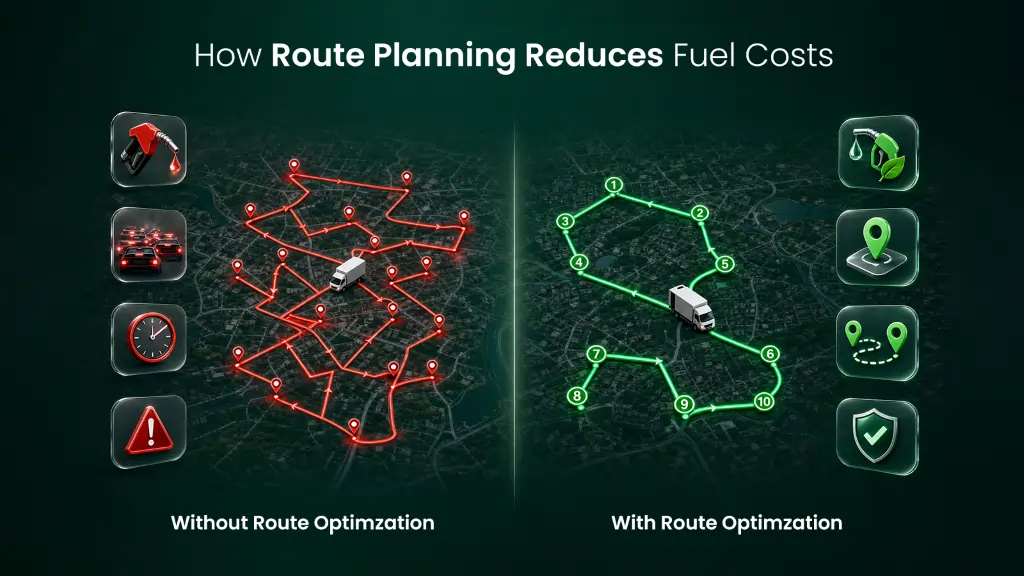
Fuel is one of the biggest and most sensitive cost drivers in last-mile delivery logistics. Diesel prices are rising due to global supply pressure. Even small inefficiencies can increase last-mile delivery costs. These include extra mileage, idling, long routes, and delivery reattempts.
When it compounds across thousands of daily deliveries, it directly affects your profitability. At the same time, it impacts revenue margins.
Reduce Cost with Optimized Routes
To Handle Sustainability Pressure
Sustainability is now a core operational priority. Businesses use a mix of EV, petrol, and hybrid fleets. This creates the need to efficiently manage different vehicle types, so you can reduce unnecessary mileage.
To Gain Competitive Edge
In 2026, delivery speed and reliability are core differentiators. Customers naturally expect faster deliveries with predictable ETAs and live tracking links.
This is why companies with stronger last mile execution are able to retain more customers and win repeat orders.
To Improve Operational Efficiency
Businesses need last mile fulfillment to run delivery operations at scale. So, the cost and complexity will not increase.
With efficient routing, better rider management, and real-time tracking managers can reduce delays. Also, it helps them to control per delivery cost.
5 Key Components of Last Mile Fulfillment
Resource allocation, route planning, real-time tracking, and rider management are the key components of last mile delivery fulfillment.
1. Order Management
This is the level at which all orders are ready to be executed. So, that all orders are processed, monitored, and fulfilled within the timeframe. Orders can be prioritized based on locations and urgency, so nothing is missed.
2. Dispatch and Allocation
Dispatch management software helps managers to assign orders based on location, availability, and vehicle capacity. It ensures faster dispatch, balance workload, and smoother delivery execution from the start.
3. Route Planning
This is the most important stage of the last mile because it directly affects delivery speed and cost. Last mile fulfillment software helps managers plan the most efficient routes. So, deliveries can be completed faster, with less travel and fewer wasted trips. Also, businesses can handle more orders in the same time.
4. Real-Time Tracking
This stage allows dispatchers to track deliveries and rider movement in real-time. Managers can identify delays, route deviations, and manage exceptions. So, they can stay aligned with planned timelines and SLAs.
5. Proof of Delivery
This is the final stage where deliveries are finally completed. Riders collect ePOD through OTP, signature and photo to avoid any disputes lately. This way businesses can ensure accountability and maintain clear delivery records.
How Does the Last Mile Fulfillment Process Works?
The last mile fulfillment process involves assigning orders, planning routes, tracking deliveries and sharing links with customers. Here is a step-by-step process to showcase how it works:
1. Order Processing
Firstly, orders are received and moved through a structured workflow. So, it can ensure no order gets missed, and every delivery is completed on time.
2. Order Dispatching and Rider Allocation
Once orders are ready, they are grouped together. After that these are assigned to riders based on different parameters. This includes:
- Delivery location,
- Capacity,
- Density,
- Vehicle capacity, and many more parameters.
3. Route Planning and Optimization
The next step is to plan the most efficient and cost-effective route of deliveries. In such a way, companies can save money on fuel and make deliveries on time.
4. Real-Time Status Tracking
Dispatchers can track real-time order movement for each delivery through live dashboards. Also, it shares live tracking links with customers with predictable ETAs.
5. Delivery Confirmation
Once the order is delivered, riders capture proof of delivery. This is done by collecting OTP, signature, or photo to confirm successful completion.
What are the Biggest Challenges in Last Mile Fulfillment?
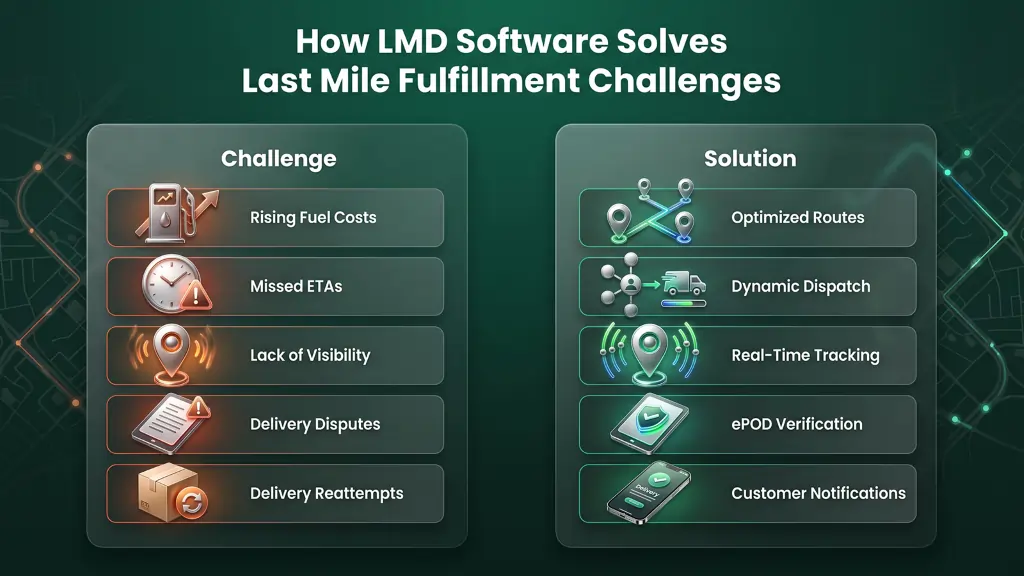
High cost, inefficient route planning, and lack of visibility are the common challenges in last mile fulfillment. Read on to know in detail.
Last Mile Fulfillment Challenges with Solutions
High Delivery Costs
Unoptimized routes, idle vehicle time, and delivery reattempts directly increase cost per orders. Over time, this makes it difficult for businesses to control delivery budgets and maintain profit margins.
Inefficient Route Planning
Delivery timelines get impacted due to traffic, route changes, and last-minute order updates. Rider ends up taking longer routes which leads to high fuel costs, missed ETAs, and delivery re-attempts. This affects overall operational costs and hurts brand reputation.
Lack of Visibility
Without real-time visibility, managers cannot verify whether riders are taking the planned routes. Also, if deliveries are completed on time or facing any issues. This leads to missed SLAs and inconsistent performance.
Delivery Failures and Reattempts
A major challenge in last-mile delivery is delivery failures. It happens due to customer unavailability or timing mismatches. Each failed delivery adds extra fuel cost, extra time, and ultimately affects revenue and profitability.
How to Optimize Last Mile Delivery Fulfillment?
By using trusted last mile delivery management software with features like dynamic dispatcher, real-time tracking and ePOD, managers can optimize their last mile delivery.
Here’s how you can do this:
Use Dynamic Dispatcher
Incorporate modern dispatch management software like TrackoMile to automate your dispatch process. It helps you to group and assign orders to the right rider based on 50+ parameters. These include
- Rider skill,
- Location,
- And vehicle type to name a few.
Optimize Route Planning
Companies use route optimization software to calculate the most efficient routes. Plus, they have to calculate the cost-effective route of their deliveries. It considers parameters like weather, traffic, and ad-hoc deliveries. This helps you to reduce travel time and save fuel costs.
Enable Real-Time Tracking
Implement real-time tracking to monitor rider movement and order status during execution. This way managers can track their ongoing deliveries, identify delays. So, they can offer quick resolutions. Plus, share live tracking links with customers with predictable ETAs.
Standardize Proof of Delivery (POD)
Use digital proof of delivery such as OTP, signature, or photo confirmation to validate every completed order. So, you can ensure clear delivery proof, reduce disputes, and improve accountability.
KPIs to Measure Last Mile Fulfillment Performance
Order accuracy, fuel consumption rate, and cost per mile are some common KPIs to measure the performance of last-mile fulfillment.
On-Time Delivery Rate
Managers should measure how many deliveries are completed within the given time window. It reflects overall delivery reliability and SLA performance. Here’s how you can measure:
On-Time Delivery Rate = (On-Time Deliveries ÷ Total Deliveries) × 100
Cost Per Delivery
Managers can track the total cost involved in completing one delivery. This includes fuel, labor, and operational inefficiencies.
Cost per Delivery = Total Delivery Cost ÷ Total Deliveries
Rider Utilization Rate
Track how efficiently your riders are being used based on idle time, workload imbalance, and fleet efficiency.
Rider Utilization Rate = (Active Delivery Time ÷ Total Working Time) × 100
Fuel Consumption Rate
Managers can track fuel consumption against distance covered or deliveries completed. So, they can highlight inefficiencies in routing, idle time, or vehicle usage.
Fuel Consumption Rate = Total Fuel Consumed ÷ Total Distance Covered (or Total Deliveries Completed)
Future Trends in Last Mile Fulfillment
Last mile fulfillment is changing how it works today. Instead of relying on manual coordination, businesses are moving toward connected systems. So, they can make operations more automated, visible, and efficient. The focus is really on handling higher delivery volumes without increasing costs. At the same time, it also improves accuracy and control across daily operations.
The use of AI-powered routing, automated dispatch, real-time tracking, and EV fleets are becoming a part of daily operations. Other models such as micro-fulfillment centers and curbside pickups are transforming planning deliveries. Last-mile delivery software like TrackoMile is helping businesses manage these capabilities in a unified way.

Frequently Asked Questions
-
What is the difference between last mile delivery and last mile fulfillment?
The actual process of transferring the goods to the door of the customer is called the last mile delivery. Last mile fulfillment, on the other hand, is more comprehensive. It involves the whole process involved in the delivery process. This includes processing the order, dispatching, route planning, and confirmation of final delivery.
-
What is the best last mile fulfillment software?
TrackoMile is proud to be the best last mile delivery fulfillment software. It provides dispatch management, route planning, and real-time tracking. Plus, confirmation of delivery within a single system. So, businesses can improve their operational visibility. Plus, you can minimize inefficiencies and automate day-to-day delivery operations at a scale.
-
Why is last mile fulfilment so expensive?
Last mile delivery is expensive because it involves multiple operational costs at the execution level. Multiple factors include unoptimized routes, fuel consumption, and delivery reattempts. These directly increase the cost per order. However, the right last mile delivery software can significantly ease the expense burden.

Parul is a content writer with 2+ years of experience in B2B and SaaS domains. She creates clear, actionable content for TrackoBit and TrackoMile, focusing on fleet management, last-mile delivery, and... Read More


Related Blog
Building Resilient Delivery Operations with TrackoMile in 2026 and Beyond
Logistics businesses build resilient delivery networks with TrackoMile. But how exactly? With real-time route optimization, automated scheduling, and end-to-end fleet…
How to Scale Quick Commerce Beyond 10 Minutes with TrackoMile
TrackoMile transforms chaotic last-mile logistics into a predictable, automated, and high-margin retail powerhouse. See how it works in quick commerce.
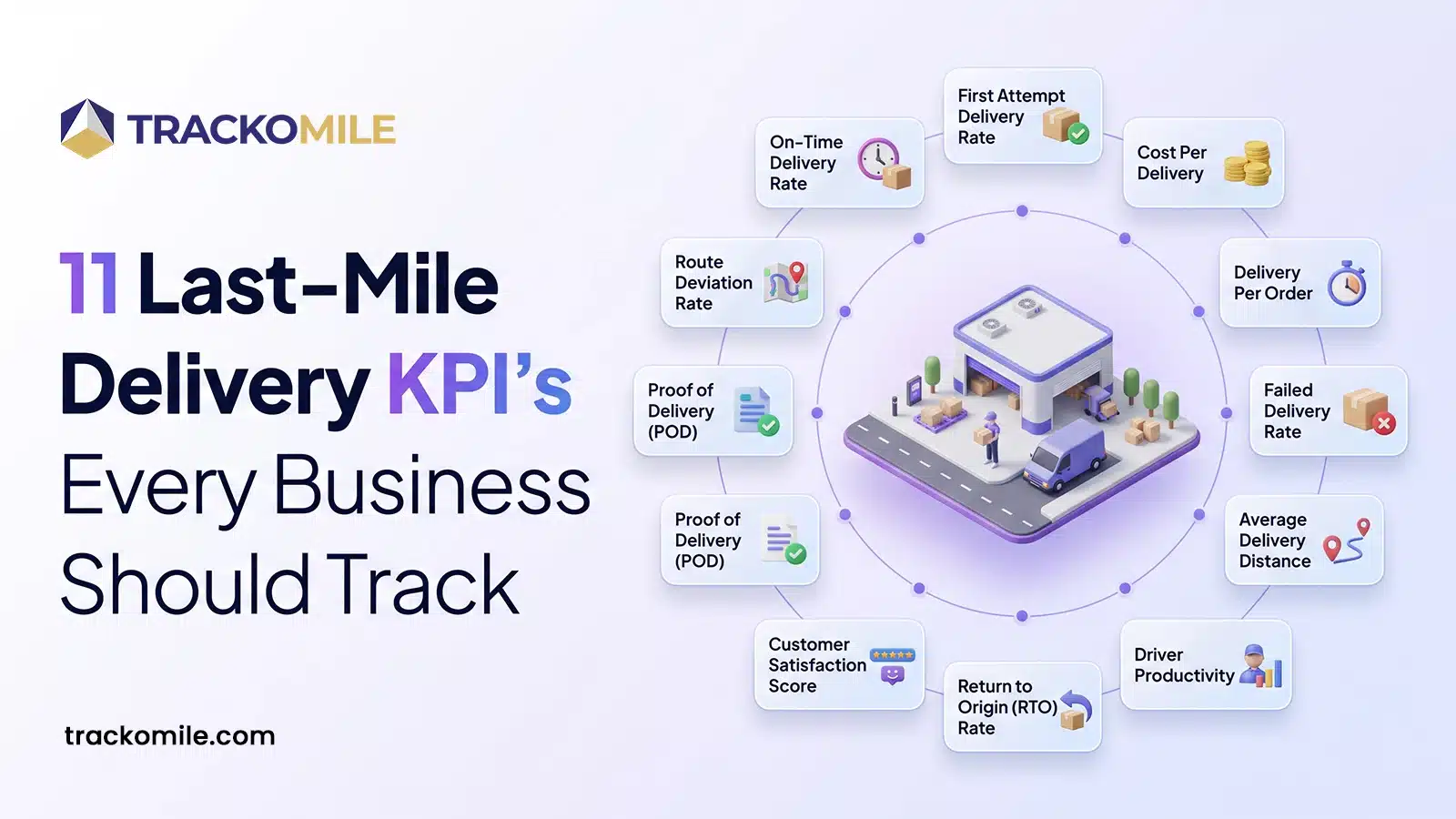
Last Mile Delivery KPIs & Metrics: 11 Essential Metrics to Track
To improve last mile operations, it’s important to track 11 essential last mile delivery KPIs like on-time delivery rate, cost…
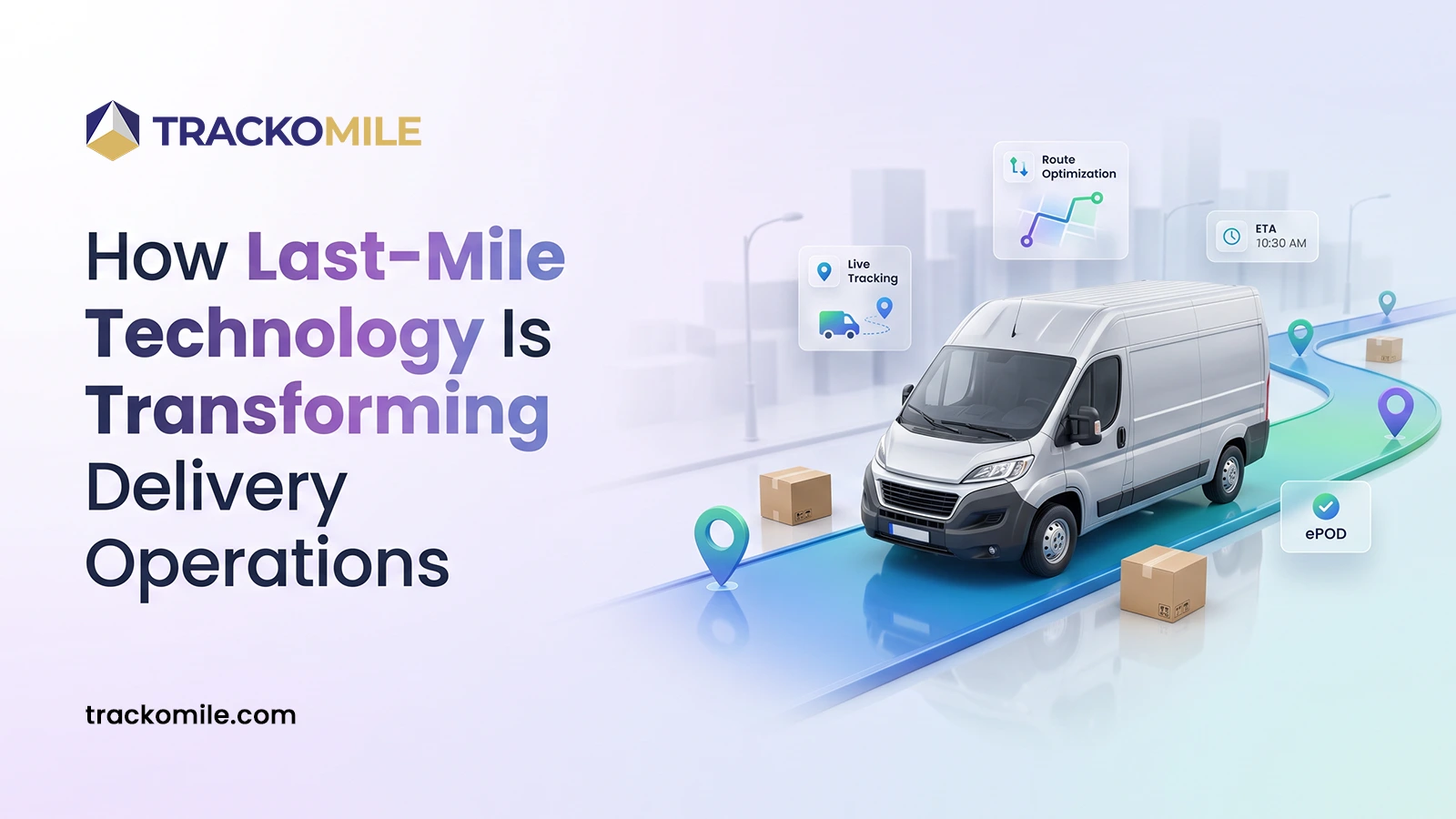
Last-Mile Technology: 6 Technologies Transforming Delivery Operations
Learn how last-mile technology combines routing, dispatch, tracking, ePOD, and analytics. Improve your businesses’ delivery speed, visibility, efficiency, and customer…


Your inbox awaits a welcome email. Stay tuned for the latest blog updates & expert insights.
"While you're here, dive into some more reads or grab quick bites from our social platforms!"Stay Updated on tech, telematics and mobility. Don't miss out on the latest in the industry.