
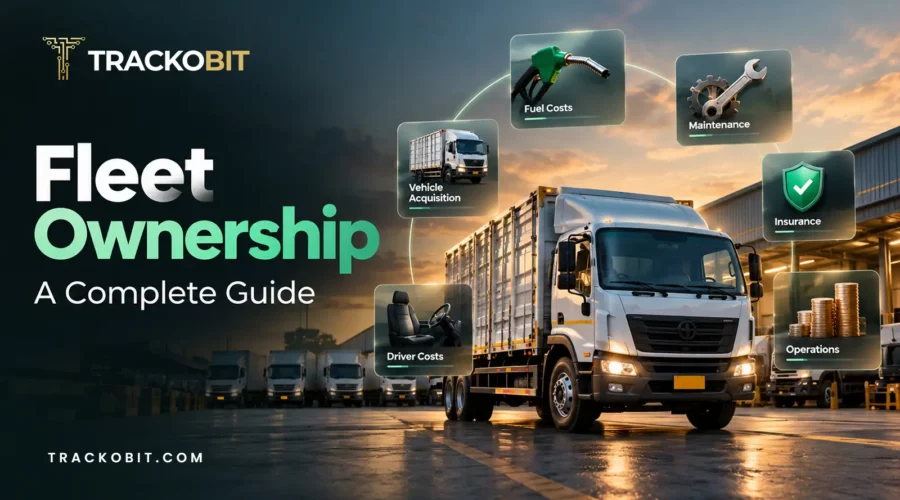
Fleet ownership means owning and managing commercial fleet including drivers, fuel, insurance, and maintenance. Dive deeper for a better understanding.
A vehicle takes a business from point A to B. A well-managed fleet can take it much further. For those dependent on transportation and delivery, fleet ownership provides greater control over how vehicles are managed. It also brings a greater list of responsibilities, like performance monitoring, insurance, repair, and compliance.
For fleet-based companies, the right fleet strategy can directly influence efficiency. This further impacts profitability. So, is owning a fleet a smart choice? Not necessarily. However, the answer depends on your budget, operational needs, and the extent of control needed. This guide breaks down fleet ownership in detail. It helps make informed decisions and choose the right approach for businesses.
What is Fleet Ownership?
Fleet ownership is when a business purchases and owns fleets. They then use and manage the vehicles for day-to-day operations. This removes the need to depend on third-party transport providers. The business takes complete responsibility of the following:
- Vehicle acquisition
- Hiring fleet drivers
- Fuel management
- Timely maintenance
- Insurance claims
- Regulatory compliance
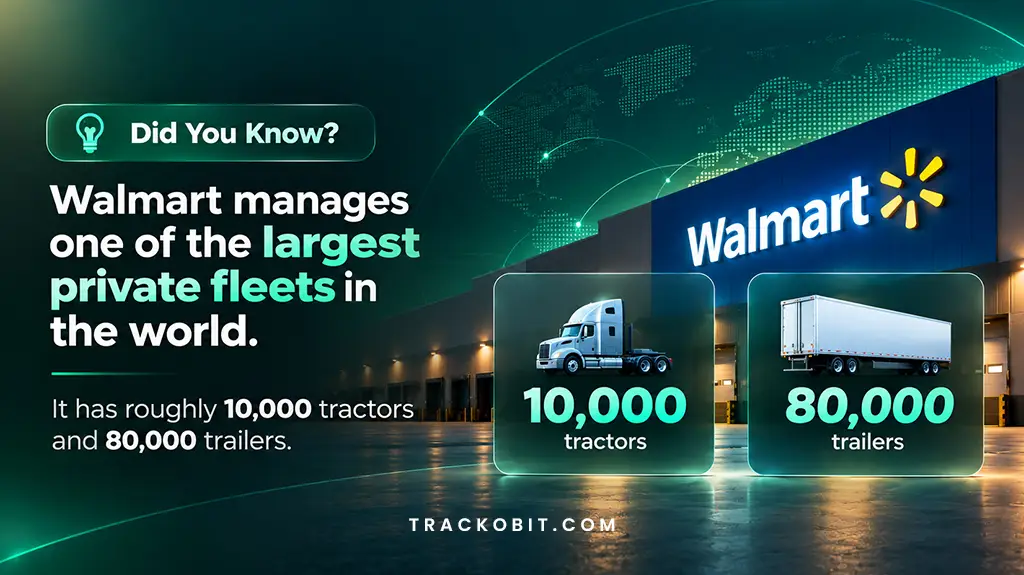
The fleet typically includes trucks, cars, vans, and specialized EV vehicles. This will depend on the nature of business. Businesses like FedEx, Walmart, and UPS operate large delivery fleets. The business value? Well, enterprise fleet management with full ownership offers greater control over routes, vehicle availability, and service quality. In short, fleet ownership ensures predictable long-term costs while increasing the chances of reliable customer service.
Types of Fleet Ownership
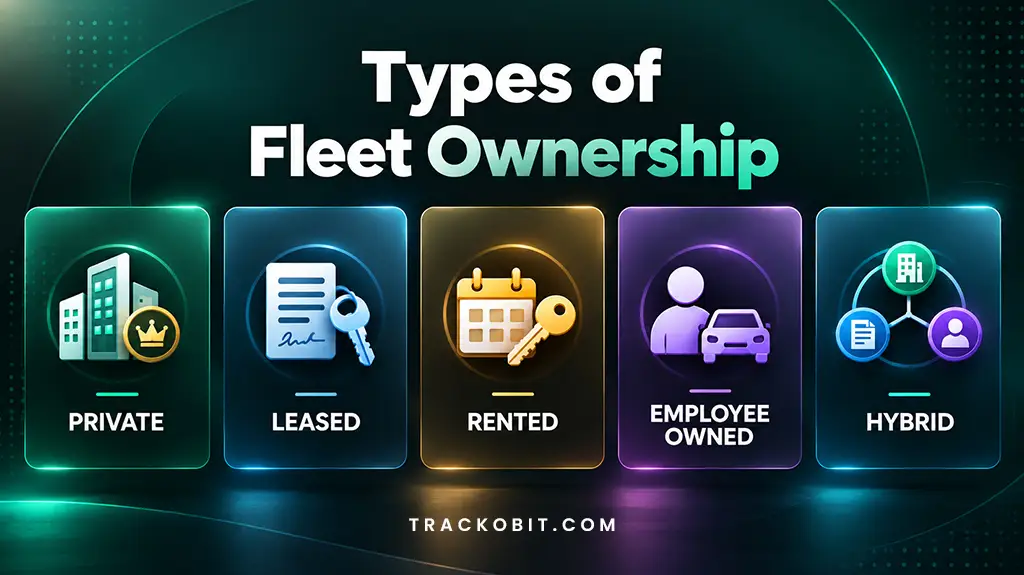
The common types of fleet ownership are private, leased, and rental, among others. Discover the full list below with details.
Types of Fleet Ownership
1. Private
The business purchases and owns vehicles in this model. It is responsible for costs, maintenance, drivers, insurance, and compliance. This model provides greater control over fleet operations. Businesses can also enjoy custom branding and flexible schedules. Company-owned fleets are common in retail, FMCG, and logistics.
2. Leased
Businesses lease vehicles for a fixed period. They do not purchase vehicles outright. Maintenance, insurance, and similar services are included depending on the agreement. Leasing can help access newer vehicles. This reduces upfront investment. However, long-term investment might exceed the outright purchase costs.
3. Rented
Businesses rent vehicles for a short period. This is entirely based on their operational requirements and could fluctuate. For example, a company might want to rent vehicles temporarily during peak demand seasons. This provides agility with zero long-term commitment. The business pays for the period during which the vehicles were rented.
4. Employee Owned
Drivers or staff use their vehicles for business purposes. This model is called Grey Fleet and is a decentralized approach. The business simply reimburses them via a fixed or variable rate. This includes IRS Standard Mileage and Cents-Per-Mile. Fleet owners can thus avoid the hassle of asset management for light duty vehicles.
5. Hybrid
This is an emerging model. The business pays an all-inclusive monthly fee. This includes insurance, vehicle access, registration, and maintenance. The manufacturer retains the asset ownership. The pricing is typically mixed with subscriptions and outcome-based usage. The business can add extra vehicles when needed to handle high demands.
Pros and Cons of Fleet Ownership
The pros of fleet ownership are direct control, flexibility, and brand visibility. The cons of fleet ownership are upfront investment, lost asset value, and administrative burden.
Read in detail.
Did You Know?
Pros:
- Direct control over routes, drivers, and operations.
- Flexible fleet management based on changing needs.
- Superior brand visibility during day-to-day operations.
- More cost-effective when compared to rental vehicles.
- Direct access to data on fuel or driver performance.
Cons:
- Purchasing vehicles requires significant upfront capital.
- Businesses bear regular servicing, repairs, and replacement.
- Vehicles lose value over time, affecting overall asset value.
- An increased administrative burden requires ongoing effort.
- Underused vehicles can increase cost without business value.
Fleet ownership comes with both benefits and challenges. So, businesses must weigh the level of control against cost and responsibilities.
Requirements for Fleet Ownership
The top requirements of fleet ownership are capital, drivers, legal documents, insurance, and storage/parking space.
-
Capital
Businesses must have sufficient capital to cover the initial setup. This includes purchase price, ownership period, and residual value (%). Other critical parameters include fuel price, maintenance, licensing, and downtime. Budgeting for each one is critical to understand the total cost of ownership (TCO) for capital accumulation.
-
Drivers
Qualified and licensed drivers are non-negotiable. Businesses should not cut costs and hire non-reliable ones. This helps run vehicles safely and legally. Drivers might also need additional training as per vehicles and technologies. Consider including such expenses beforehand to avoid monetary shocks.
-
Legal Documents
Every vehicle must have commercial vehicle licenses and special permits. These will depend on the type of cargo or service provided. For example, national permits, hazardous goods permits, and local authority permits. Such license types control what the vehicle can legally do like inter-state rides, city tours, or goods carriage.
-
Tax Considerations
Hire a tax professional to understand applicable taxes. They must also help you with deductions, depreciation benefits, and compliance needs. Businesses can structure fleet expenses efficiently, which prevents costly tax mistakes. This is especially useful for large fleets with multiple vehicles and significant operating expenses.
How Do You Start a Fleet Company?
Start a fleet company by defining a business model, creating a business plan, and completing legal requirements. Discover all the steps below.
Step 1: Define Your Fleet Business Model
Choose the type of vehicles and services you want to offer. Identify your target customers, service area, and revenue model. For example, leased, rented, or private.
Step 2: Create a Business Plan
Estimate vehicle, fuel, drivers, maintenance, insurance, and operating costs. Set your pricing, revenue targets, and expected ROI accordingly.
Step 3: Secure Funding
Arrange the required capital and decide whether to buy, finance, and lease vehicles. Select vehicles based on business needs, routes, and payloads for expected usage.
Step 4: Complete Legal & Insurance Requirements
Secure appropriate vehicle and business insurances. This helps protect your fleet, drivers, and overall operations against legal risks.
Step 5: Hire and Train Drivers
Recruit qualified drivers with the necessary licenses and relevant experience. Train them on safety, vehicle handling, compliance, and company policies.
Step 6: Set Up Fleet Operations
Arrange secure parking, maintenance, and fuel management. Set up processes for dispatching vehicles and managing drivers.
Step 7: Implement Fleet Technology
Use trusted fleet management software to track vehicles. The best one is integrated with video telematics. It tracks drivers, fuel, and overall fleet performance.
Top 5 Management Strategies for Fleet Owners
The top management strategies for fleet owners are tech-first approach, clear fleet policies, and preventive maintenance. Read in detail.
1. Create a Technology-First Strategy
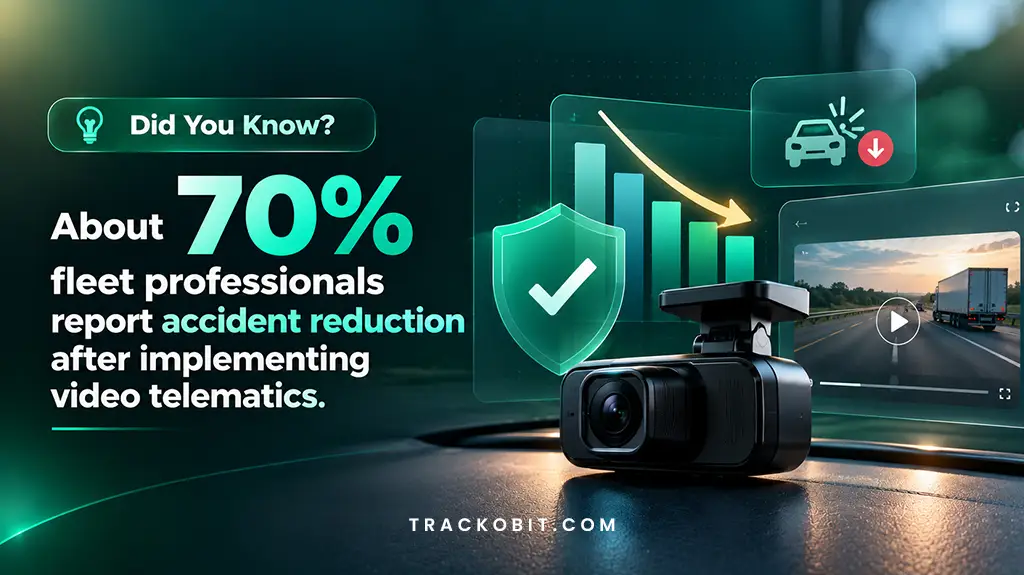
Invest in an integrated fleet management system. A white-label software works best since it also provides the hardware. Businesses benefit from AI-powered video telematics, GPS tracking, ADAS and DMS, and analytics on one platform. This gives excellent visibility and reduces operational blind spots.
Accident Reduction with Video Telematics
2. Build Clear, Enforceable Policies
Define clear fleet policies for vehicle usage. The top parameters include fuel consumption, driver behavior, maintenance, safety, and reporting. Communicate these policies consistently. Monitor their adherence across the fleet.
3. Consider Preventive Maintenance
Create scheduled maintenance plans based on mileage, condition, and general vehicle usage. Regular inspection and timely servicing can:
- reduce sudden breakdowns
- minimize downtime
- extend vehicle life.
A proactive maintenance approach keeps vehicles road-ready. It also improves reliability and controls fleet expenses in the near future.
4. Turn Fleet Data Into Action
Use fleet data to identify cost leaks or performance gaps. Managers can also identify inefficient routes and underutilized vehicles. Analyze these trends regularly to make faster, more informed operational decisions.
5. Manage Driver Performance
Track driver patterns closely. It helps identify harsh braking, rapid acceleration, and speeding. Combine regular performance monitoring with targeted training. This reinforces safer driving along with productivity and fleet efficiency.
Effective fleet management in 2026 is about combining all of the above. It builds a safer and more efficient fleet ecosystem.
How TrackoBit Helps Fleet Owners?
TrackoBit helps fleet owners with powerful capabilities like video telematics, GPS tracking, and route planning, among other things. Read in detail.
- Video telematics software for better visibility of roads and drivers.
- Real-time visibility into vehicle locations, routes, stops, and movements.
- Monitor driver behavior including speeding, idling, and harsh braking.
- Route planning software for automated routes based on traffic and vehicles.
- Geofencing to set virtual boundaries to receive alerts for truck movements.
- Fleet dashboards to turn vehicle data like drivers and fuel into useful insights.
- E-locks, BLE sensors, and scorecards to improve security, visibility, and control.
Conclusion
The future of fleet ownership is inclined towards connected, data-driven operations. As fuel, compliance, and customer expectations rise, simply owning vehicles will not be enough. Businesses that combine the right ownership model with fleet technology will be better positioned to control expenses and scale. The goal today is not just to own a fleet. It is to make every vehicle work smarter.
With the right strategy and software like TrackoBit, every mile becomes an opportunity to improve efficiently. That is what will set future-ready fleets apart.
Frequently Asked Questions
-
What are the different types of fleet owners?
The different types of fleet owners are in logistics companies, delivery businesses, rental companies, construction firms, retailers, and other businesses. They simply need to own vehicles for commercial operations. Individuals, such as owner-operators, can also own and operate smaller fleets.
-
How much does it cost to start a fleet business?
The cost depends on the number and type of vehicles, purchase or leasing model, insurance, registration, staffing, maintenance, and other operating expenses. A detailed business plan can help estimate the initial investment and ongoing costs.
-
What licenses do you need to become a fleet owner?
The required licenses and permits depend on the vehicle type, business activity, and location. Fleet owners may need business registration, vehicle registration, commercial permits, driver licenses, insurance, and other transportation-related approvals.
-
How many vehicles make a fleet?
There is no universal minimum number of vehicles to qualify as a fleet. As few as 2 vehicles under common ownership can be a fleet. However, the practical threshold is 3-5 vehicles for commercial insurance providers. Manufacturers and tax authorities treat 10 or more vehicles as a standard benchmark for ‘fleet’.

Shemanti is a Content Marketing professional with 7+ years of experience in shaping credible narratives across B2B products. As the Content Team Lead for TrackoBit, TrackoField, and TrackoMile, she br... Read More


Related Blog
ADAS System in Cars: How It Works and Why It Matters
ADAS road safety system is a technology that uses sensors and software to detect danger and alerts the driver to…
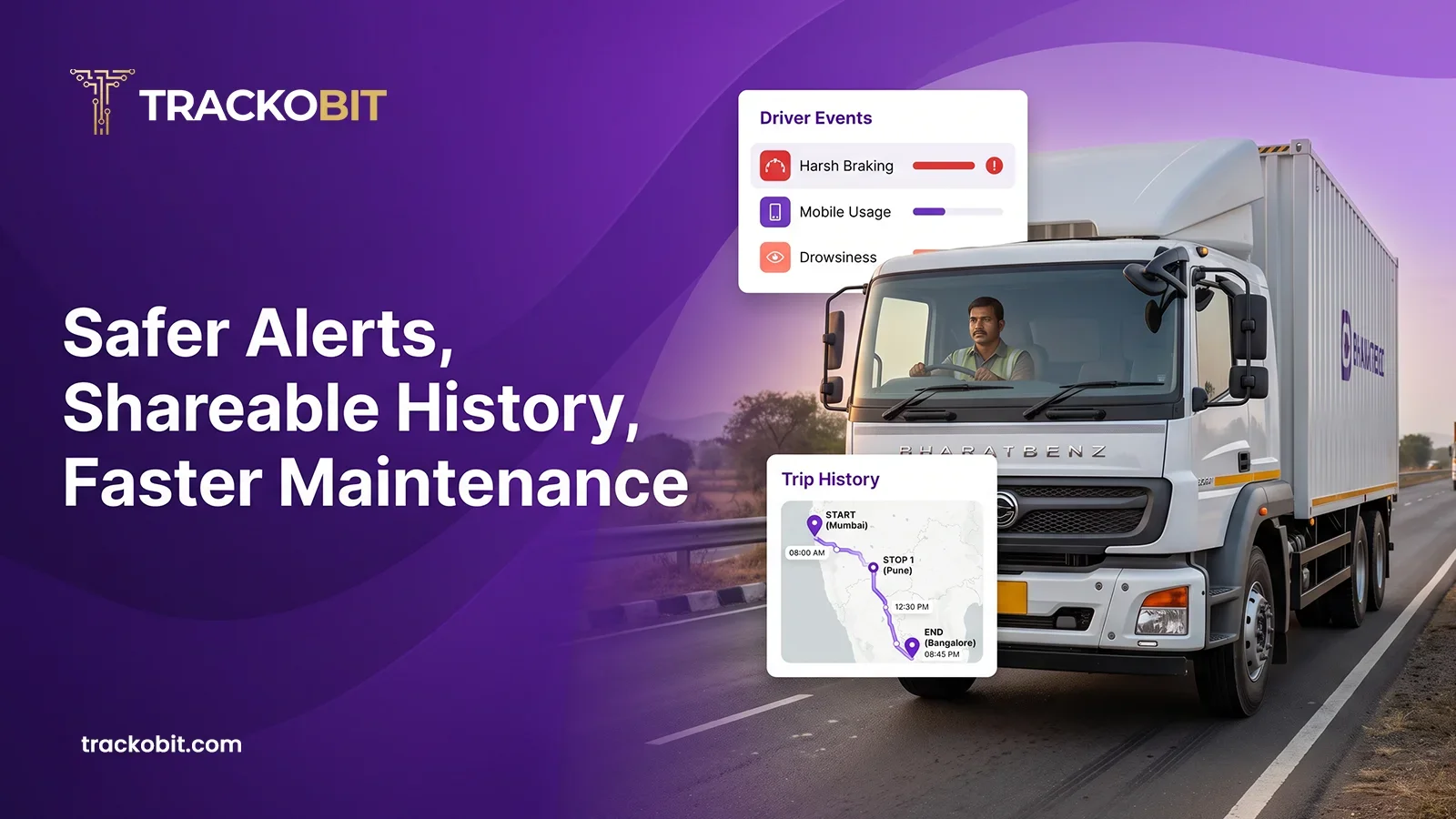
Safer Alerts, Shareable History, Faster Maintenance in TrackoBit
TrackoBit now adds an Evidence Model and authority-based access for ADAS and DMS alerts in video telematics, Vehicle History Sharing…
Fleet Management Requirements: The Complete Guide for 2026
Every wondered what exactly fleet management requirements are? Or, why do they matter? This guide helps you understand in detail.
7 Fleet Management Best Practices Every Fleet Manager Needs
Learn 7 fleet management best practices to improve safety, vehicle utilization, efficiency, and fleet performance in 2026.


Your inbox awaits a welcome email. Stay tuned for the latest blog updates & expert insights.
"While you're here, dive into some more reads or grab quick bites from our social platforms!"Stay Updated on tech, telematics and mobility. Don't miss out on the latest in the industry.