
Every wondered what exactly fleet management requirements are? Or, why do they matter? This guide helps you understand in detail.
Fleet management requirement is much beyond tracking vehicles. The industry is now focused on AI-driven, data-first ecosystems. It helps with driver safety, reducing fuel use, and compliance. Industry leaders like DHL are using sensors, robotics, and analytics to improve logistics. This simply reflects that bigshots are already adopting this approach.
Modern fleet management software is the backbone for all operations. The best ones are a combination of GPS tracking, AI telematics, and driver monitoring. Fuel management and route optimization are other tools.
This blog talks about the requirements to help you know what matters most. Fleet owners can make informed decisions to support long-term growth.
What Are Fleet Management Requirements?
Fleet management requirements are everything needed to run vehicles safely. These are tasks, tools, and fleet data. Getting them prevents problems like sudden breakdowns. They also help adhere to compliance rules. It is critical to implement the correct ones. Else, small gaps may turn into expensive issues.
The needs naturally vary across industries and fleet sizes. But the universal framework includes vehicle tracking, driver monitoring, and live analytics. Timely identifying them helps choose the right fleet management software.
Why Does Fleet Management Requirements Matter?
Fleet requirements are a framework that keeps daily operations productive. More importantly, they help get more value out of every fleet. This includes drivers, vehicles, and resources. These feed profitability, directly. Productivity goes up when every vehicle and drivers work as efficiently as they can.
Without clearly defined requirements, businesses might run into the following:
- Operational downtime
- Poor driver accountability
- Delayed product deliveries
- Steadily rising fuel expenses
- Non-compliance of regulations
However, managers can implement the best suited processes and technologies. This is by identifying the right safety and operational needs. They address existing challenges while preparing a fleet for future growth. Ultimately, well-defined fleet management requirements go beyond streamlining operations. They are inclined toward smarter decision-making.
Core Functional Requirements Every Fleet Management System Should Have
The core functional requirements are GPS vehicle tracking and route optimization. Discover the full list below!
1. GPS Vehicle Tracking
This provides real-time location data. It improves vehicle security against threats while enhancing driver safety. Businesses can also monitor every vehicle and view trip history. They can further receive alerts for route deviations or unauthorized usage.
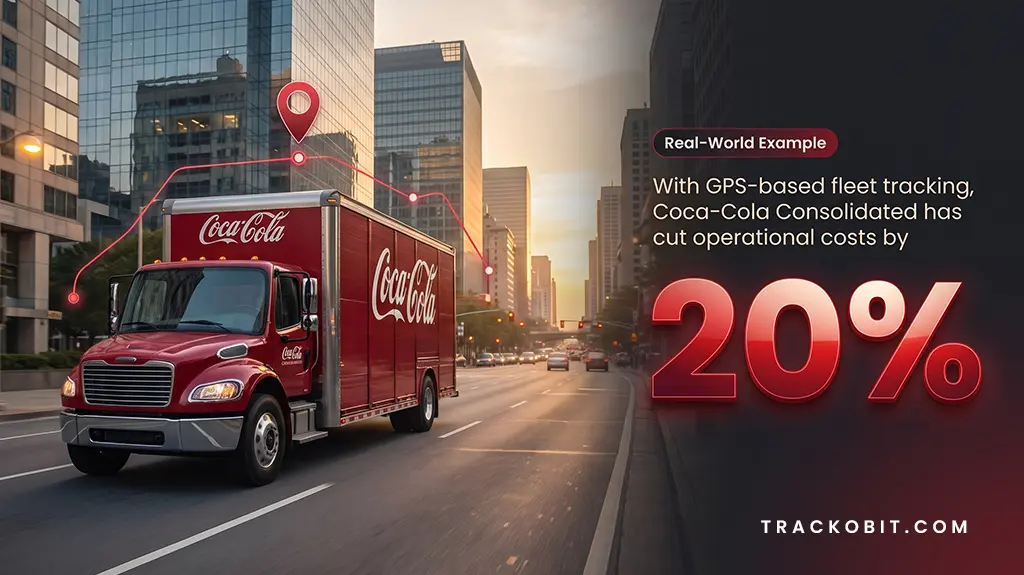
Real-World Example of GPS-Based Tracking Benefit
2. Driver Safety & Monitoring
A Ministry of Road Transport and Highways survey found that more than 10,000 truck drivers died in crashes in 2022. This was due to drowsiness and over-speeding. This makes visibility into risky driving a necessity. Managers must be alerted when drivers over-speed or show signs of fatigue.
3. Route Optimization
Good route planning cuts fuel costs and shortens travel time. This keeps deliveries on schedule. Smart dispatching assigns every deliveries to the most-suited vehicle. This is based on proximity and workload. During heavy traffic or change of plans, the routes adjust automatically.
4. Fuel Management
Fuel accounts for 20% of an operator’s expenses. But the good news is that focusing on safety and driver behavior can lower consumption. Businesses must consider robust fuel management software for real-time monitoring and alerts.
5. EV Fleet Management
The global commercial electric vehicle market size is expected to reach $197.55 billion by 2033. This is a jump from $84.64 billion in 2026. There is a rising pressure on fleet operators to reduce carbon emissions. So, EV fleet management software is a must to monitor battery health and status.
6. Dual Maintenance
Preventive maintenance works around a fixed schedule. Its service is triggered by mileage and routine checklists. Predictive maintenance relies on live monitoring, early warning alerts, and maximum uptime. When used together, they reduce unexpected breakdowns.
Functional vs Technical Fleet Management Requirements
Fleet management requirements are categorized into functional and technical. Each serves a definite purpose in ensuring efficient operations.
| Functional Requirements | Technical Requirements |
| See where vehicles are and the routes they are taking. | Work with GPS trackers and sensors. |
| Watch fuel consumption and refills in real-time to catch theft. | Store and process large volumes of fuel data safely. |
| Flag harsh braking, speeding, and similar risky events. | Transfer data from vehicles to cloud in real-time without gaps. |
| Plan routes and spot when drivers go off their course. | Protect drivers, vehicles, and fleet data with encryptions. |
| Keep tabs on vehicle conditions and service schedules. | Connect with ERP, CRM, and similar systems. |
| Get notified of operational events and generate reports. | Supporting growing fleet sizes while maintaining performance. s |
| Maintaining records and monitor driver and vehicle requirements. | Providing secure access to fleet data across both web and mobile. |
Functional requirements describe what your fleet systems should do. Technical requirements determine how well and how reliably.
Common Challenges Businesses Face Without Proper Fleet Requirements
The common ones are poor vehicle tracking and higher fuel costs. Discover the full list with details below.
1. Poor Vehicle Tracking
Without reliable GPS tracking, fleet managers may not know where vehicles are. They have zero updates on whether drivers are following the routes. Or, if trips are delayed. This makes it hard to respond to or immobilize the vehicle. They ultimately cannot manage assets, unauthorized stops, and sudden delays.
2. Higher Fuel Expenses
Poorly monitored fleets might experience fuel wastage. This happens due to idling, speeding and harsh braking. Thefts and drains go unnoticed without a proper fuel management software. Spotting these losses ultimately become tough for fleet managers.
3. Delivery Delays
Limited visibility into vehicles and routes makes it tough to spot delays. This starts impacting customers. In the longer run, the revenue is affected too. Businesses could be struggling with routes, disruptions, and delivery updates.
4. Vehicle Downtime
Managers might overlook minor issues without proper vehicle health monitoring. The blockers are dirty fluids or worn brake pads. They cause breakdowns and costly repairs when not timely addressed.
5. Poor Driver Accountability
Without driver behavior monitoring , fleet managers have little visibility into their whereabouts. Harsh braking, cornering, and route deviations get overlooked. This hurts both safety and efficiency.
6. Low Asset Utilization
Businesses might not be able to perform efficient asset tracking. They do not identify which vehicle is being overused or not being assigned efficiently. When combined, these can cause unnecessary fleet expansion.
7. No Data-Driven Decision
Without structured fleet data, managers start relying on manual information. They wade through records and make assumptions to evaluate performance. This makes it harder to measure fleet improvement KPIs and make informed decisions.
Industry-Wise Fleet Management Requirements
The fleet management requirements vary by industry. What businesses should focus on is how vehicles are being utilized. Also, the final business outcome.
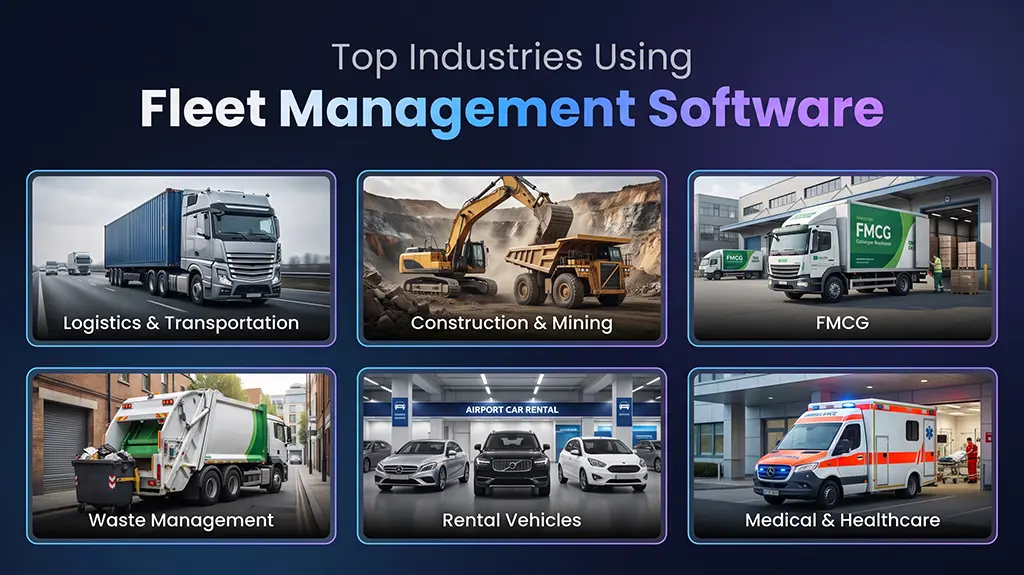
Industries Using Fleet Management Software
1. Logistics and Transportation
Core Focus: To keep all logistics and transportation deliveries on schedule. This is alongside managing multiple vehicles, stops, and routes.
Key Requirements: Live GPS tracking, driver monitoring, and electronic proof of delivery (ePOD).
2. Construction and Mining
Core Focus: To ensure the productivity of construction and mining equipment and vehicles.
Key Requirements: Vehicle and asset tracking, geofencing, and fuel management. Security, alerts, and haulage data are other needs.
3. FMCG
Core Focus: To keep FMCG logistics vehicles productive and improve fleet efficiency.
Key Requirements: Route optimization, delivery monitoring, real-time tracking, and fuel monitoring. Businesses also need delivery proof and geofencing.
4. Medical and Healthcare
Core Focus: To ensure medical and healthcare supplies and phlebotomists reach safely.
Key Requirements: Route optimization, reduction in downtime, temperature monitoring, and on-time deliveries.
5. Rental Vehicles
Core Focus: To keep a track of rental vehicle usage, location, and conditions.
Key Requirements: Real-time GPS tracking, geofencing, trip monitoring, and robust security features.
6. Waste Management
Core Focus: To track waste management vehicles and status like dumping or idling.
Key Requirements: Real-time tracking, fuel monitoring and visibility into collection and disposal activities.
Fleet Management Requirements & Evaluation Checklist
The evaluation checklist factors are features, compatibility, data security, and pricing. See what else matters for your fleet business.
- Check for live GPS tracking and driver monitoring.
- Look for 3d party integrations with ERP and fuel sensors.
- Ask for a free product demo to understand workflow.
- Compare the pricing of hardware and installations.
- Review data security and user access controls.
- Assess customer support, training, and onboarding.
How TrackoBit Meets Modern Fleet Management Requirements
TrackoBit brings together real-time tracking and AI video telematics. This gives fleet operators better control over their business.
- Live Tracking: Monitor vehicle locations, trips, routes, and drivers in real-time.
- Fuel Monitoring: Track consumption and fuel wastage in real-time.
- Self- Hosted AI Video Telematics: Combines ADAS and DMS to refine visibility.
- eLocks : Helps integrate elocks for supervision and safety of consignments.
- Driver Monitoring: Helps track speeding, harsh braking, lane changes, and cornering.
- Vehicle Health: Provides service and maintenance alerts to avoid vehicle depreciation.
- Reports and Analytics: Turn all fleet data into actionable insights.
TrackoBit, as the tagline suggests, tracks every bit. It turns everyday data into smoother operations.
Conclusion
A fleet may have hundreds of vehicles on the road. However, without the right system in place, visibility is limited. Well-defined fleet management requirements bring vehicle tracking, fuel, compliance, and analytics into one framework.
This makes it easier to improve operations with data-backed decisions. The smartest approach is considering fleet management software. The best one is built to solve today’s operational challenges. Simultaneously, it leaves room for tomorrow’s possibilities.

Frequently Asked Questions
-
What are the requirements of fleet management?
GPS tracking, driver monitoring, and route planning are the basic requirements. Fuel management is another important aspect to consider. Further, certain fleets need advanced mechanisms. These are AI dashcams and analytical dashboards. Temperature sensors and e-locks are other critical requirements.
-
How much does fleet management software cost?
The cost typically varies as per needs. This means, it depends on hardware, features, installation, and connectivity. It is thus a little difficult to determine a universal cost. Managers can consider software that offers custom pricing. This helps pick packages as per subscriptions and features.
-
How to create a fleet management checklist?
Start by defining your fleet size. Then, you must look at your vehicle type, key blockers, and operational goals. This will help finalize a list of features you need. Account for hardware, security needs, and integrations as well. Lastly, factor in pricing, free demo, and support.
-
What is the most important part of fleet management?
The most important part is preventive maintenance. With this, fleet managers can prevent vehicle breakdowns. Driver safety and fuel efficiency are critical too. These protect resources and business expenses. Data tracking and general performance insights are other core priorities.
-
How fleet management requirements differ for large vs small fleets?
Large fleets typically focus on advanced features. These are automation, telematics, and integration. Small fleets usually look for basic tracking. Their other requirements are driver monitoring and vehicle maintenance. They also often require reporting. However, what remains a common need for both is centralized control.

Shemanti is a Content Marketing professional with 7+ years of experience in shaping credible narratives across B2B products. As the Content Team Lead for TrackoBit, TrackoField, and TrackoMile, she br... Read More


Related Blog
7 Fleet Management Best Practices Every Fleet Manager Needs
Learn 7 fleet management best practices to improve safety, vehicle utilization, efficiency, and fleet performance in 2026.
What Are the Roles and Responsibilities of a Fleet Owner?
Behind every well-run fleet is a fleet owner juggling tasks like vehicle maintenance and driver management without letting anything fall…
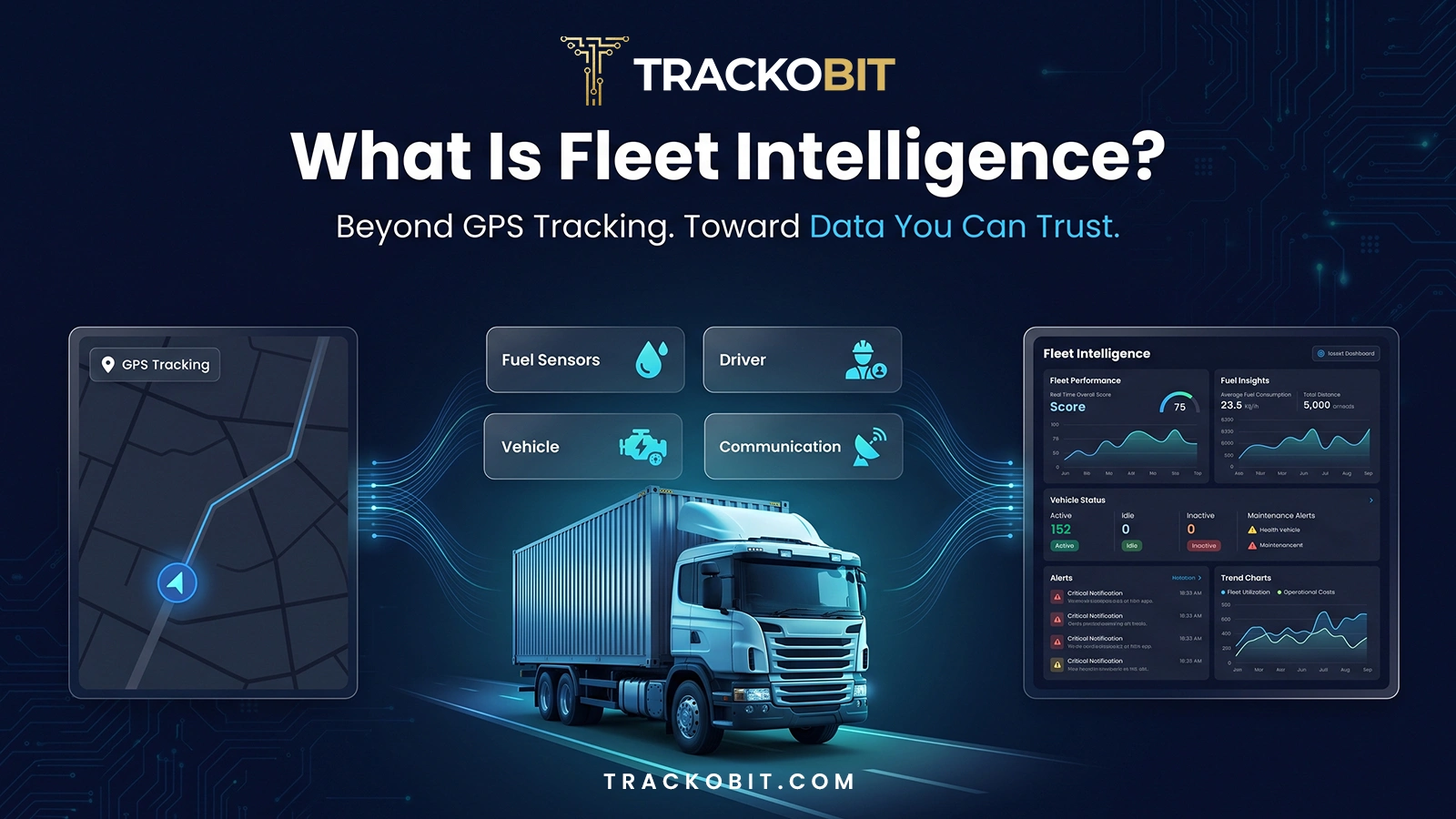
What Is Fleet Intelligence? TrackoBit Goes Beyond GPS Tracking
Fleet intelligence is the layer of trustworthy data, driver-level accountability, and consistent identity that sits above GPS tracking. It turns…
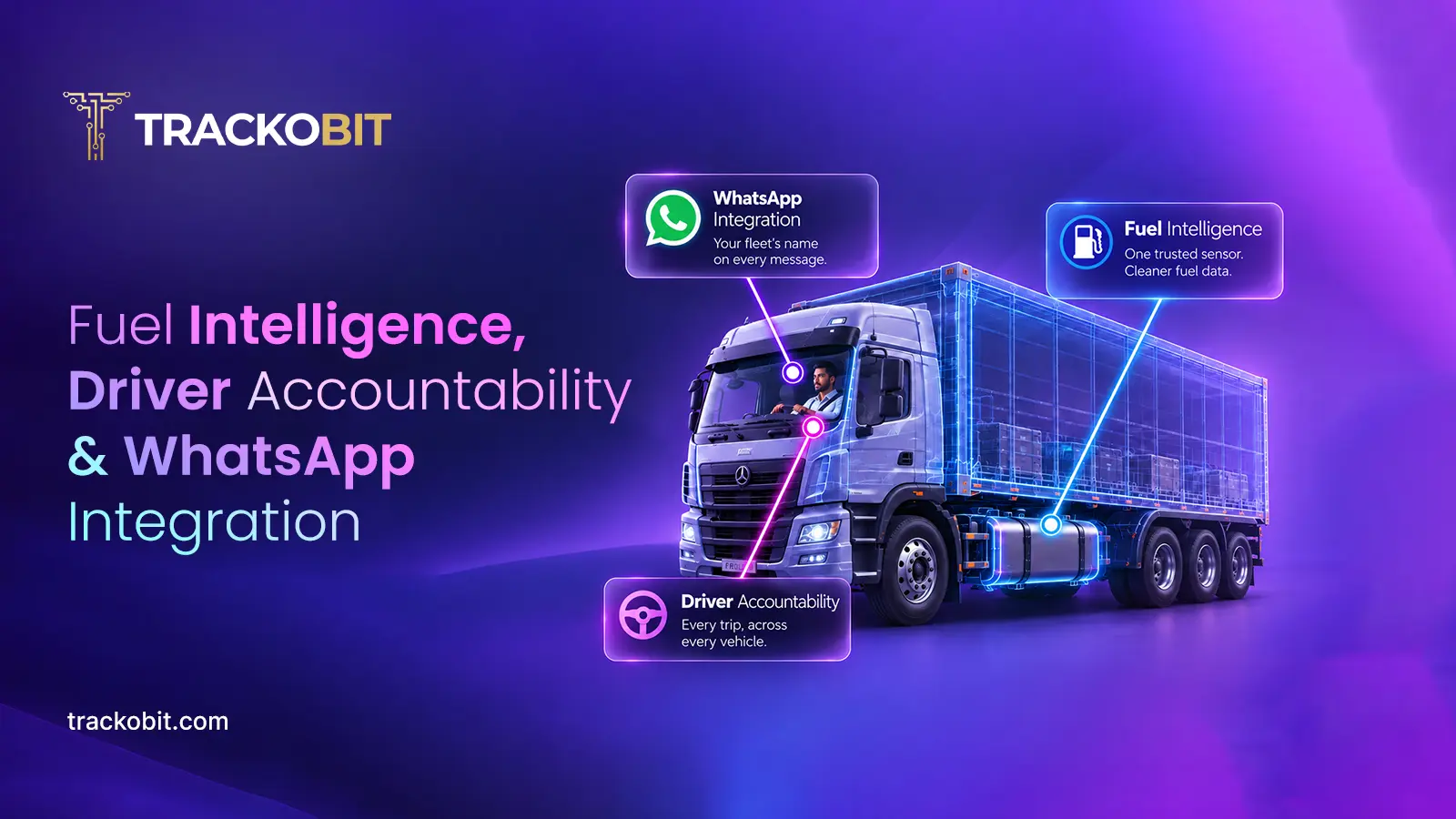
Fuel Intelligence, Driver Accountability & WhatsApp Integration: Now Live in TrackoBit
Fuel intelligence in fleet management is the use of sensor and telematics data to select accurate fuel sensors, filter road-induced…


Your inbox awaits a welcome email. Stay tuned for the latest blog updates & expert insights.
"While you're here, dive into some more reads or grab quick bites from our social platforms!"Stay Updated on tech, telematics and mobility. Don't miss out on the latest in the industry.