
TrackoMile transforms chaotic last-mile logistics into a predictable, automated, and high-margin retail powerhouse. See how it works in quick commerce.
Quick commerce apps dropped their iconic 10-minute delivery branding in 2026. But does that mean speed does not matter anymore? Well, not quite. The conversation has shifted from the unrealistic race against time. It is now a calculated strategy of sustainable speed and order precision. This is a transition that Max Healthcare and Guljag Gases navigate with TrackoMile. True scaling requires looking past the 10-minute marketing gimmick. Instead, businesses must focus on intelligent last-mile execution.
Our last-mile delivery software automates dispatch, deliveries, and routes. It helps achieve the balance between successful deliveries and healthy profit margins.
What Matters Most Beyond Delivery Speed?
Order accuracy, smart routing, and efficient deliveries matter the most. These are critical success factors for quick commerce. Read on to learn more and make an informed choice.
Order Accuracy
Automated packing workflows and advanced barcode scanning are common inside dark stores. These ensure the correct SKUs are picked every time. A single missing or wrong product breaks customer trust. Ultimately, it degrades repeat purchase rates.

Was speed ever the sole success factor in quick commerce?
Basket Economics
This is a mathematical breakdown of an order. It analyzes customer spending (Average Order Value). Additionally, profit margins and revenue from deliveries are analyzed. In short, quick commerce businesses must focus on making each order financially viable. This can be made possible by increasing its value.
Smart Routing
AI-powered route optimization algorithms calculate multiple factors. These include real-time traffic, delivery sequence, and rider locations. When combined, they map out the most efficient routes. This maximizes the number of orders a single rider can complete per hour.
Delivery Efficiency
Managers must perfect the delivery radius planning and rider allocation process. The sweet spot is usually between 1.5 and 3 km. Maintaining this can optimize transit times. Ultimately, this helps manage high order volumes during peak seasons. during peak seasons.
Dark Store Density
Micro-fulfilment hubs must be grouped based on regional demand. Other critical factors are buying behavior and geographic proximity. This is a great way to optimize inventory for fulfilment efficiency. India’s dark store network is expected to reach 7,500 by 2030. This shows brands are taking this quick commerce infrastructure seriously.
Real-Time Visibility
Businesses must be able to track riders and deliveries in real-time. This gives better control over operations and quick response to issues. For example, respond proactively to vehicle breakdowns, unexpected traffic, or sudden rider unavailability.
Dynamic Fleet Capacity
Managers must get a live bird’s eye view of how many riders are idle, en route, and returning across dark stores. It allows them to reallocate riders from a low-demand store to a high-demand zone. Thus, tackling an order surge becomes easier.
Scalability
A strong delivery network should be able to handle growing order volumes. This should be achieved without making operations more complex. Businesses need the right system, riders, and processes to scale deliveries. All of these must be achieved without a rise in costs.
Quick commerce businesses already know the logistical headaches of managing dark stores. It involves fluctuating rider’s availability and sudden order surges. This requires a well-managed way to manage the complex ecosystem.
The New Priorities for Quick Commerce Growth with TrackoMile
Quick commerce operators must transition from ‘speed’ to profitability. This helps scale sustainably past the initial growth phase. So, the new priorities are algorithmic dispatchmanagement and dynamic route planning. See the full list.

How Does TrackoMile Tackle Challenges?
Intelligent Dispatch Management
Move away from the hassle of manual processes to automatic dispatch software. TrackoMile can batch multiple orders to the same neighborhood. We hold a track record of a 28% reduction in delivery delays. This is specifically beneficial during peak seasons. This helps maximize rider utilization and reduce cost-per-delivery.
Dynamic Route Optimization
TrackoMile’s route optimization software uses 50+ routing rules. These include capacity, vehicle type, speed, and traffic. This helps map the best route to ensure optimal delivery and dispatch planning. Managers can ensure a minimal difference between ETA and the real arrival time. This has critical benefits like higher customer retention and lifetime value (LTV).
Data-Driven Rider Management
Tackling rider availability, assignments, and workloads is non-negotiable for performance. Using data is critical to quickly know bottlenecks. TrackoMile’s rider management software provides real-time visibility into rider activities. This helps with reassigning orders when a rider is unavailable. It helps prevent backlogs and keeps deliveries on track. Ultimately, customer trust stays intact.
Flexible Capacity Management
Managers must balance inventory volume against fleet size. The best way to do this is to analyze vehicle, rider, route, and time window capacity. TrackoMile can match order volume to vehicle capacity automatically. Managers get real-time visibility into their last mile delivery operations too. This lets them respond to volatile demand curves.
Frictionless Proof of Delivery
TrackoMile’s geofenced and photo/barcode verified ePOD removes delivery disputes. There are fewer risks of fraudulent customer claims, too. Quick digital verification speeds up the delivery window. This allows riders to clear their current task efficiently. They can also re-enter the delivery lifecycle once again.
How to Build a More Predictable Last-Mile Network?
Dynamic slotting, micro-zoning, and auto-batching are the best ways. Let’s learn in detail.
- Dynamic Slotting: Group orders based on rider availability instead of static timelines.
- Micro-Zoning: Map cities into tight grids under 2 km. This helps ensure predictable routes.
- Auto-Batching: Bundle multiple orders on the same route to save time and fuel.
- Geofenced Riders: Assign riders to specific areas to leverage their local knowledge.
- First Attempt Tracking: Systematically eliminate address or instruction errors.
- Dwell Time Monitoring: Factor in time spent at delivery locations when calculating ETAs.
Beyond 10 Minutes: The Future of Last Mile Delivery
The future of last-mile delivery is shifting towards tech-driven efficiency. Businesses are getting inclined towards carbon-neutral operations. Further, green logistics, drones, and robots are on the rise. Key Indian players such as Blinkit and Instamart are aggressively expanding their hyperlocal network to Tier 2 and Tier 3 cities.
In short, quick commerce is moving away from speed. It is now focusing on what makes money: larger basket size and high-margin products. The future belongs to those who play on flawless reliability rather than over reckless speed. After all, sustainability always outruns a ticking clock.


Shemanti is a Content Marketing professional with 7+ years of experience in shaping credible narratives across B2B products. As the Content Team Lead for TrackoBit, TrackoField, and TrackoMile, she br... Read More


Related Blog
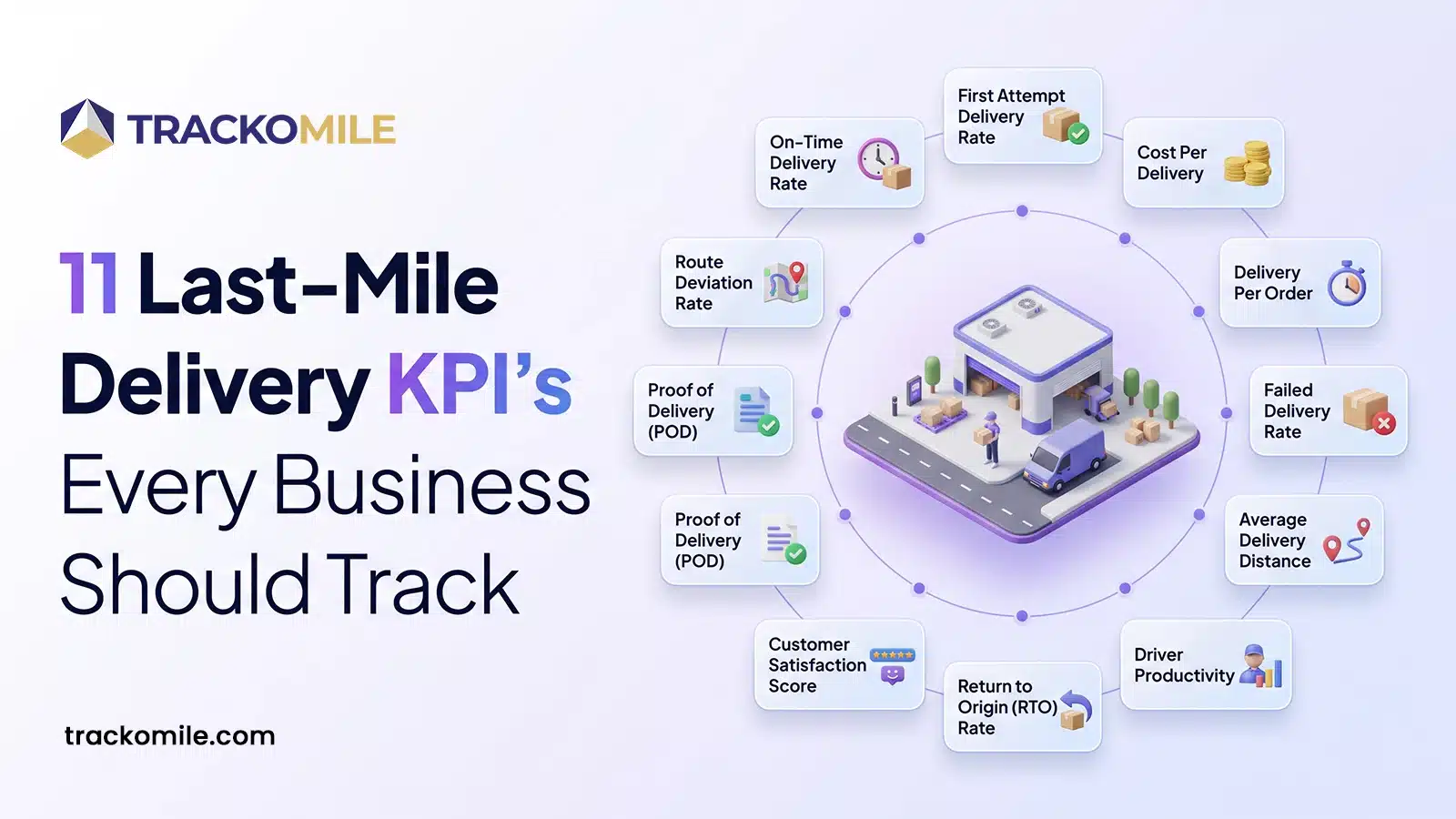
Last Mile Delivery KPIs & Metrics: 11 Essential Metrics to Track
To improve last mile operations, it’s important to track 11 essential last mile delivery KPIs like on-time delivery rate, cost…
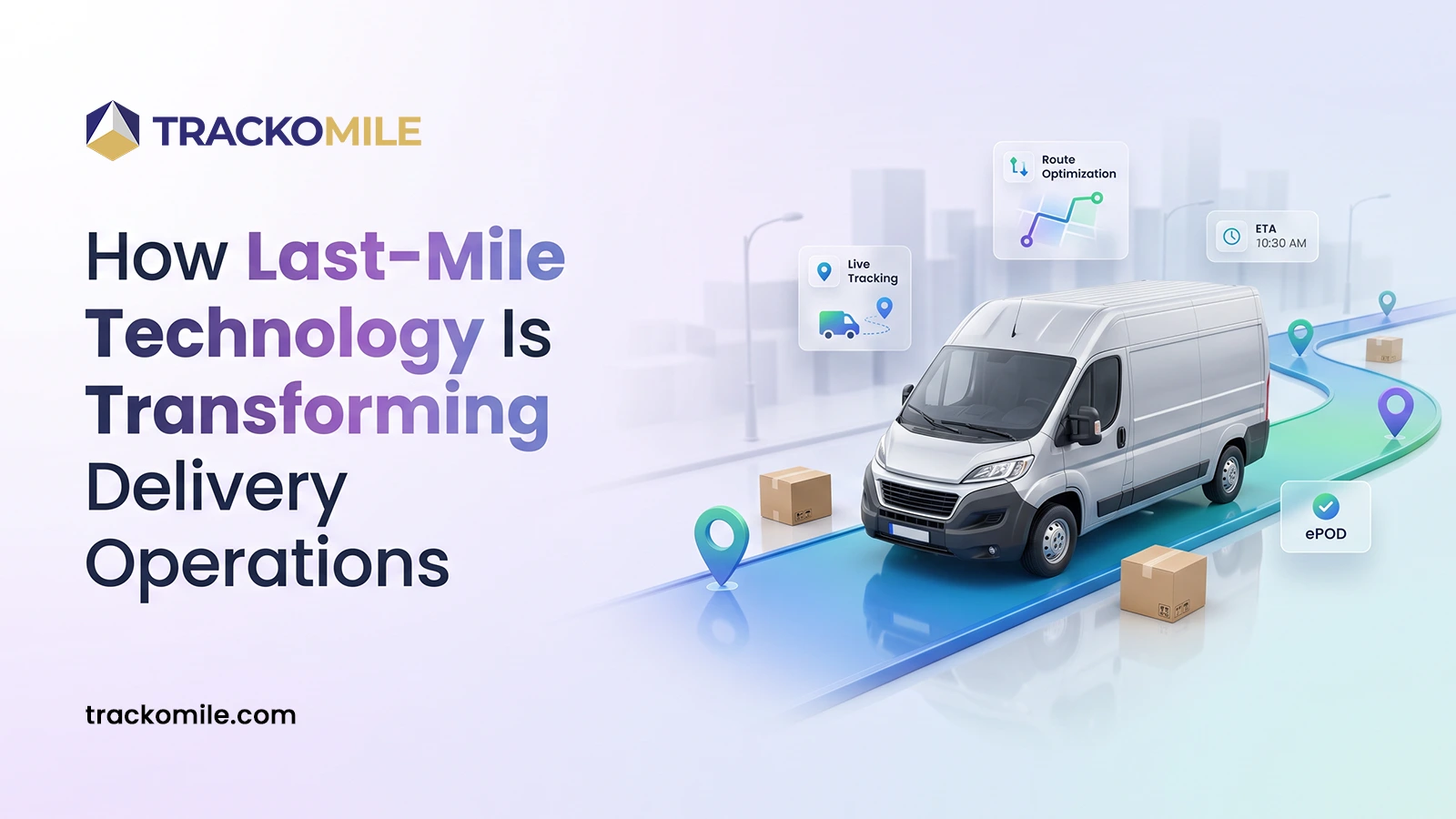
How Last Mile Technology Improves Delivery Speed, Visibility, and Customer Experience
Learn how last-mile technology combines routing, dispatch, tracking, ePOD, and analytics. Improve your businesses’ delivery speed, visibility, efficiency, and customer…
What is On-Demand Delivery Management Software: Types, Features, & Benefits
This blog explores on-demand delivery management software, its key benefits, and must-have features. Also, we will explore how to choose…
Last Mile Delivery in Construction: Challenges, Solutions & Optimization Strategies
This guide explains how last mile delivery construction software can help improve efficiency, visibility and site coordination.


Your inbox awaits a welcome email. Stay tuned for the latest blog updates & expert insights.
"While you're here, dive into some more reads or grab quick bites from our social platforms!"Stay Updated on tech, telematics and mobility. Don't miss out on the latest in the industry.