

Quick Summary

- Collection heads must prioritize early-stage delinquencies and implement structured workflows to boost recovery rates and minimize NPAs.
- Utilizing data analytics and borrower risk segmentation allows collection heads to focus on high-risk accounts for timely follow-ups and improved efficiency.
- Real-time visibility into field operations and optimized route planning enhance agent productivity and reduce operational costs.
- Adopting technology-driven solutions like TrackoField aids collection heads in streamlining processes, ensuring compliance, and making informed decisions.
Boost loan recovery and reduce NPAs by streamlining collections with early intervention, data-driven strategies, and tech-enabled field operations.
Loan collection is the backbone of any lending business. While disbursement drives growth, collections protect profitability. For collection heads in the BFSI (Banking, Financial Services, Insurance) sector, the role is no longer limited to managing agents and tracking payments. They are now responsible for improving collection efficiency and ensuring compliance. This ultimately help with data-driven decision making.
However, lending companies are expanding deep into rural and semi-urban territories. Collection heads deal with missed visits, delayed follow-ups and poor visibility that affect coverage.
The solution? Using field force automation software integrated with loan management system (LMS) and AI-driven solutions. These are the top tips for collection heads that help boost collection coverage and minimise NPAs.
Keep reading to learn about the challenges plaguing lending operations and strategies to tackle them.
Why Collection Strategy Matters in 2026?
An intelligent collection strategy ensures faster recoveries, lower NPAs, and efficient field operations. Collections today operate in a high-pressure environment. Even small delays in follow-ups can lead to a sharp decline in recovery probability.
With every delay in loan repayment, the chances of recovery reduce significantly. It eventually leads to non-performing assets (NPAs). An industry report by ET found that lenders might lose up to 70% without early intervention. This is especially true if they use traditional loan collection models.
Lending organisations in the BFSI sector, including NBFC and MFIs thus need to:
- Prioritise high-risk accounts
- Ensure timely borrower engagement
- Improve field force productivity
- Maintain compliance and audit readiness
- Reduce overall cost of collections
Without a structured approach, collection efforts become inconsistent. Teams focus on the wrong accounts, follow-ups are delayed and delinquency rates rise.
Key Challenges Faced by Collection Heads
Lack of visibility, delayed reporting and inefficient field operations are key challenges faced by collection heads.
1. Lack of Real-Time Visibility
Managers often do not have a clear view of field activities. It is difficult to verify whether agents have visited borrowers or completed assigned tasks. Managers can’t track idle time or ensure accurate attendance.
2. Inefficient Field Operations
Poor route planning leads to excessive travel time. Agents spend less time engaging with borrowers and centre members and more time on the road.
3. Delayed Field Reporting
Manual reporting through calls or spreadsheets results in delayed updates. Decision-making becomes reactive instead of proactive.
4. Inadequate Prioritisation
Not all delinquent accounts require the same level of attention. Without proper categorisation, high-risk accounts may not receive timely follow-ups.
5. Compliance Risks
Poor documentation of borrower interactions and centre meetings can affect audits. Managers need to have adequate proof of work. This ensures transparency and accountability to avoid compliance gaps.
10 Proven Strategies for Collection Heads to Improve Recovery
The best strategies collection heads can implement to improve recovery rates include early interventions, borrower risk segmentation, and smart work planning.
1. Focus on Early-Stage Delinquencies
The first 30 days of delinquency are the most critical. Borrowers are more responsive during this period and more likely to clear dues with minimal effort.
Collection teams must prioritise early follow-ups through calls, reminders and field visits. Delays at this stage can reduce recovery probability.
2. Borrower Risk Segmentation
A uniform approach to collections leads to inefficiencies. Collection heads must categorise accounts based on:
- Days past due
- Repayment history
- Loan size
- Risk profile
High-risk accounts should receive immediate and frequent follow-ups. Low-risk accounts can be managed with automated reminders. This ensures optimal utilisation of field resources.
3. Implement Structured Collection Workflows
A defined workflow ensures consistency across teams. Every account should follow a standard escalation path. For example:-
- Day 1–3: Automated reminders
- Day 4–7: Calls
- Day 8+: Field visits
Such workflows reduce ambiguity and ensure no account is missed.
4. Enable Real-Time Field Visibility
Collection heads must have complete visibility into field operations. Real-time tracking allows managers to monitor agent movement. They can also verify visits and identify gaps in execution.
This level of transparency improves accountability. Plus, it ensures that planned collection activities are carried out effectively.
5. Optimise Field Routes & Territories
Field productivity is directly linked to route efficiency. Poor beat planning results in wasted time and fewer borrower interactions.
By clubbing borrower locations and assigning defined territories, agents can cover more ground in less time. Route planning also reduces operational costs such as fuel expenses.
6. Capture Digital Proof of Collection Activities
Verification is critical in field collections. Every borrower visit should be supported by digital proof such as:
- GPS location tags
- Time-stamped check-ins
- Photographs
- Documents
- Digital signatures
This not only ensures authenticity but also creates a reliable audit trail for compliance purposes.
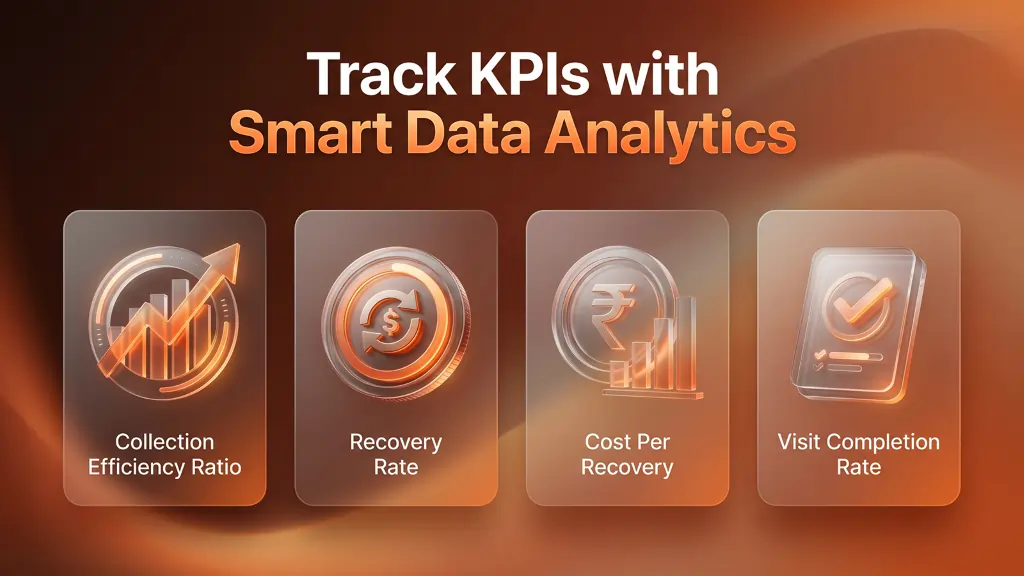
7. Data Analytics for Decision-Making
Collection strategies should be data-driven. Collection heads must analyse key performance indicators to identify gaps and improve efficiency. These include:-
- Collection efficiency ratio
- Recovery rate
- Cost per recovery
- Visit completion rate
- PTP (Promise to Pay) kept vs broken
- Agent productivity
- Region-wise delinquency trends
These metrics provide actionable insights and help in making informed decisions.
8. Improve Field Agent Productivity
Productivity is not just about effort. It is about outcomes. Collection heads should focus on:
- Clear task allocation
- Minimising idle time
- Reducing manual reporting
- Enabling mobile-based updates
When agents spend less time on admin work, they can focus more on borrower engagement.
9. Integration with Third-Party Software
Disconnected systems lead to inefficiencies and gaps in data. Integration between LMS and Field Force Automation (FFA) software ensures:
- Overdue data is updated in real time
- Tasks are automatically assigned
- Follow-ups are aligned with loan status
This creates a seamless flow of data between multiple systems.
10. Adopt Automation
Automation reduces manual effort and ensures consistency. Collection teams can use:
- Automated reminders (SMS, alerts)
- Auto-escalation for missed payments
- Scheduled follow-ups
Track KPIs with Smart Data Analytics
How TrackoField Helps Collection Heads Improve Loan Recovery
TrackoField digitalises field operations of NBFC and MFIs. It brings structure, visibility, and efficiency to collections. It provides AI-powered solutions to managers that help improve collection coverage.
1. Real-Time Tracking
Managers can monitor the live location of field agents. This ensures visits are conducted as planned and reduces idle time. Managers can also check agents’ route history and attendance status.
2. Intelligent Task Allocation
Tasks can be assigned based on overdue accounts, agent proximity and workload. This ensures optimal utilisation of resources. No agent is overworked and works in defined shifts only.
3. Route Planning
With TrackoField, managers can plan efficient travel routes for agents. It reduces fuel costs and other operational expenses. Plus, agents cover more ground and meet more borrowers in less time.
4. Digital Proof of Visits
Every borrower interaction is recorded with GPS coordinates and timestamps. Agents can also collect supporting evidence like:
- Pictures
- Voice notes
- Digital signatures
- JLG group attendance
- Documents and forms
This ensures accuracy and compliance.
7. AI Manager Bot
TrackoField provides intelligent dashboards and AI assistants. It allows manager to track key collection metrics such as recovery rates, productivity and visit coverage. These insights help collection heads make data-driven decisions. Plus, managers can raise queries in natural language on the manager bot and get instant answers.
Conclusion
To improve loan collection, managers must move away from reactive decision-making. It’s time to adopt structured, technology-driven systems. What collection heads need is real-time visibility, data analytics and AI-powered solutions. They are essential for maintaining portfolio health in your lending business.
We have listed top 10 tips for collection heads in this blog. These can help improve collection coverage, enhance team productivity, and reduce delinquency risks. Field force management software like TrackoField further helps by providing solutions needed to manage field collections effectively.
To know more about improving field collections, explore TrackoField.

Frequently Asked Questions
-
What are the responsibilities of a collection head?
Collection heads manage the complete loan recovery process. They set targets and assign tasks to teams. They track overdue payments and ensure timely follow-ups. They also monitor performance and improve workflows. The goal is to reduce NPAs and keep operational costs in check.
-
What are the best tools for collection teams to improve productivity?
Collection teams need tools that reduce manual work. Field force management software helps fulfil this. It helps assign tasks and track field visits. Mobile apps allow quick updates from the field. Dashboards show real-time data to managers. These tools help teams work faster and cover more accounts.
-
How to improve field collection teams' performance?
Setting goals is the first step in improving field collection teams’ performance. Train agents to handle borrower conversations well. Use simple workflows so no step is missed. Reduce manual work with digital tools. Ensure optimum beat planning so agents reach borrowers on time and without hassle. Collections improve when teams stay focused.
-
How can collection heads improve recovery rates?
Collection heads can improve loan recovery by being proactive. They should prioritise high-risk accounts and track daily progress. Clear workflows help teams stay consistent. Regular performance reviews and better field planning also improve results. These simple changes can increase collection efficiency over time.
-
How does field collection software help loan recovery?
Field collection software gives full visibility to managers. It tracks agent location and verifies visits. Agents can update tasks in real time. This reduces delays and missed follow-ups. Better tracking leads to better recovery results. Plus, managers can check reports and smart dashboards to analyse staff performance.

Mudit is a seasoned content specialist working for TrackoField. He is an expert in crafting technical, high-impact content for Field force manage... Read More


Related Blog

Face Recognition: What It Is, How It Works & Benefits for Field Teams
Facial recognition is a way of identifying or confirming an individual’s identity using their facial features. Read this guide to…
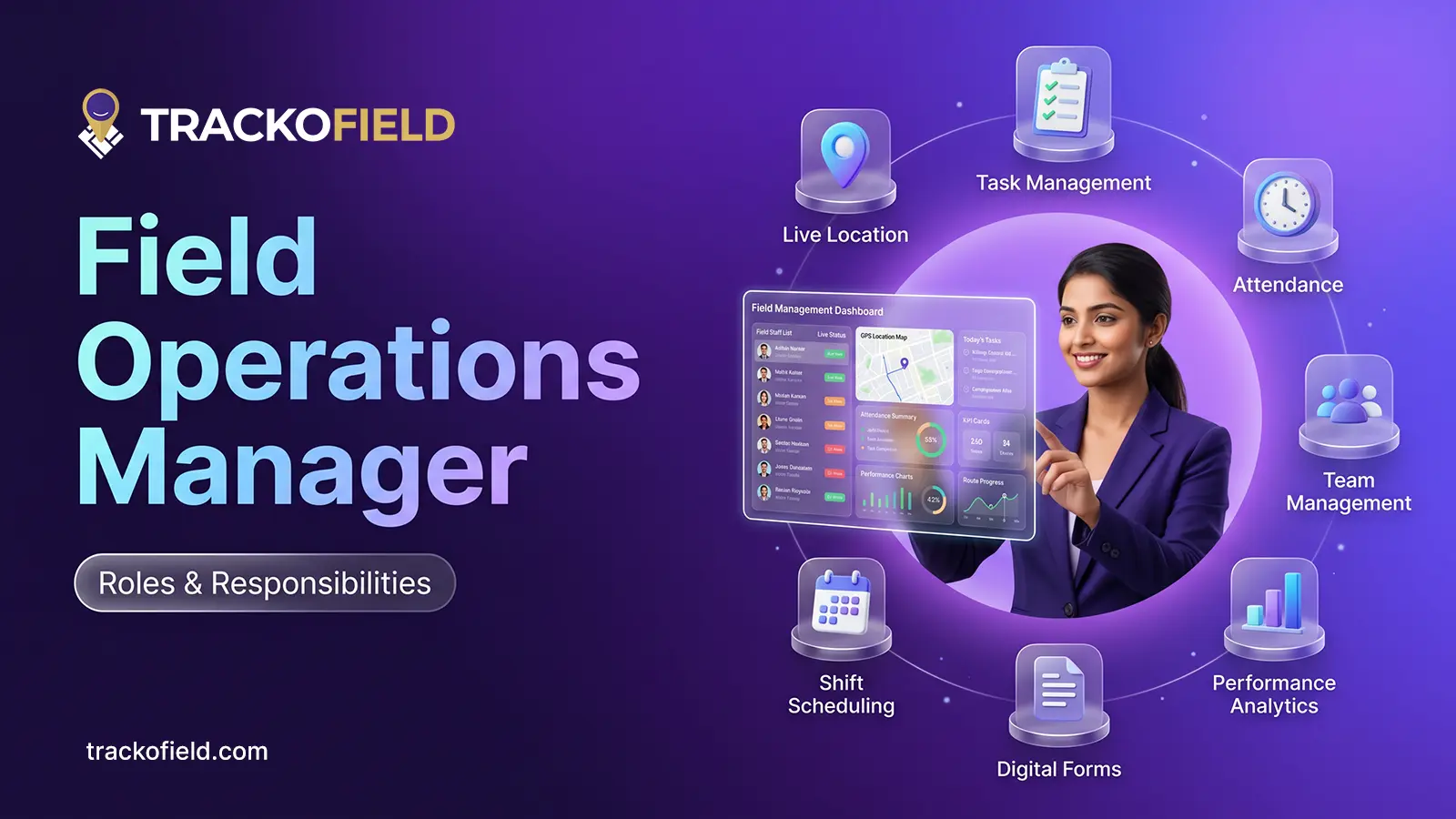
Field Operations Manager: Roles, Challenges & How to Optimize Performance
Field operations managers handle on-ground activities with challenges like visibility, control, and coordination. This blog covers their roles, key challenges,…

What is Face Recognition Attendance Software & How Does It Work?
This blog explains the concept of face recognition attendance software. We will also explore how it enhances attendance monitoring for…
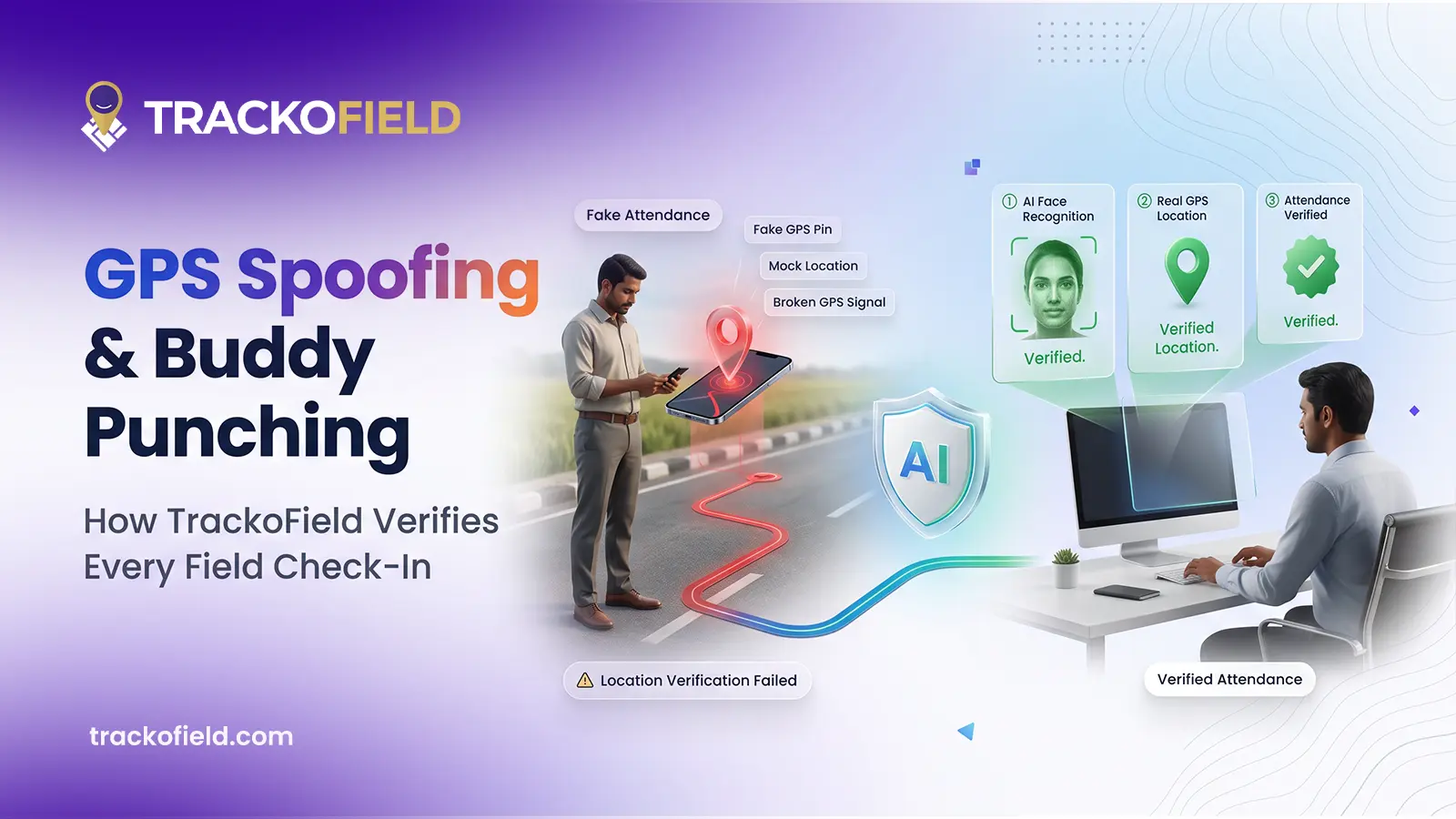
How TrackoField Stops GPS Spoofing and Buddy Punching in Field Teams
Your field team’s attendance data looks clean. The question worth asking is whether it’s real. Here’s how GPS spoofing actually…


Your inbox awaits a welcome email. Stay tuned for the latest blog updates & expert insights.
"While you're here, dive into some more reads or grab quick bites from our social platforms!"Stay Updated on tech, telematics and mobility. Don't miss out on the latest in the industry.