

Quick Summary

- Field sales, or outside sales, involves representatives meeting customers in person to drive revenue and build relationships, especially in industries like healthcare and real estate.
- The benefits of field sales include improved customer relationships, higher conversion rates, and valuable market insights, making it essential for businesses.
- Field sales managers play a crucial role in overseeing teams, planning territories, and ensuring effective execution of sales strategies.
- Modern tools like field sales management software enhance efficiency, allowing teams to track activities and optimize workflows in the dynamic field sales environment.
A complete guide to field sales, covering team roles, manager responsibilities, key benefits, common challenges, and modern sales tools.
Field sales is one of the oldest and most often the core way for businesses to drive revenue. Times may have changed but even in a tech-driven world, on-ground face-to-face sales is immutable.
Field sales teams act as the frontline workers of brands. They connect with customers, explaining products, conducting demos, and converting leads. A good sales process helps build long-lasting customer relationships.
However, managing field teams is complex. Sales staff is distributed across locations and operate in constantly changing conditions. This means last minute delays or sudden priority shifts. Getting visibility of salesmen and ensuring all field operations are smooth can be challenging.
But worry not! In this guide, we break down how field sales management operations can be optimised with the help of tools like field sales management software.
What is Field Sales? A Brief Definition
Field sales, also called outside sales, is a way of selling products or services where representatives of company meet potential customers in person. They travel to customer locations, shops, or group meeting to pitch products, provide detailed explanations, clear doubts and close deals.
Field sales is widely used in industries like BFSI, agri-input, telecom, healthcare, and real estate. It works well where customer trust and relationships matter. Field sales also helps businesses reach areas where digital or inside sales may not work well. For example, agri-input agents visit rural areas to demonstrate their products to farmers. These demos help showcase real-world effectiveness.

Field Sales Agent Roles
Why Do You Need Field Sales?
Many businesses still rely on human interaction to sell their products or services. Customers often react well to in-person sales meetings than talking to a faceless person on calls.
Direct contact also helps provide better clarity to customers about complex products. Customers often want to see, understand, and trust before they buy. A sales representative can answer questions, remove doubts, conduct demos and guide the customer in real time.
Field sales also helps companies enter new markets. When a brand is new, customers may not trust it easily. A physical presence helps build confidence in your brand faster.
Gathering ground level feedback is another reason why field sales is important. Field teams can collect useful information from customers. This helps businesses improve products and adjust strategies based on market needs.
5 Major Benefits of Field Sales For Your Business
Better customer relationships, more lead conversions, real-time feedback and improved brand presence are some of the main benefits of field sales. Here’s a breakdown of all the benefits.
1. Better Customer Relationships
Meeting client in-person works much better for trust building and communication than phone calls. It lets sales reps better understand customers’ tone, intentions, and concerns. This helps in creating personalised sales strategy for every customer. Plus, customers also appreciate the efforts of physical meetings than online communication.
2. Higher Conversion Rates
Face-to-face interaction greatly improves the chances of closing deals in field sales. It lets reps explain products in detail, provide demos and resolve queries instantly. This reduces confusion among the customers so they can take faster decisions.
3. Faster Product Improvements
Field sales help identify customer pain points quickly. Salesmen can see how customers plan to use the products and what issues they face. This feedback can be used by businesses to improve their product and prevent chances of roll backs.
4. Market Analysis
Sales staff collection information about competitors, market trends, and current customer preferences. This information lets businesses quickly capitalise on trends and improve their products or services to better fit customer demands.
5. Better Brand Presence
Regular sales visits increase brand visibility. Repeated interaction makes customers more familiar with your brand. This improves recall and builds a stronger market presence over time.
What is a Field Sales Manager?
A field sales manager oversees sales reps that works on the ground. They are responsible for planning, guiding, and tracking sales activities. They also act as a link between senior management and field teams. The main goal of field sales managers is to ensure that targets are achieved on time while monitor progress and ensure that work is done properly.
What are the Roles & Responsibilities of a Field Sales Manager?
The main role of a field sales manager is balancing people management and performance. They need to guide their team while also focusing on results.
1. Building Efficient Sales Teams
Field sales managers are responsible for hiring new employees, training them, and setting their targets. They help build high-performing teams and ensure employees stay motivated and aligned with business interests at all times.
2. Territory & Beat Planning
Managers divide areas of operational into specific territories and assign them to sales reps. They also plan routes to reduce travel time and increase coverage. Proper territory & beat planning helps teams reduce fuel expenses, balance workload, get territory-wise insights and improve work efficiency.
3. Performance Monitoring
Field managers track daily activities such as visits, meetings, and lead conversions. They use this data to evaluate sales reps’ performance and identify gaps. Regular performance monitoring is essential to improve efficiency and achieve targets faster.
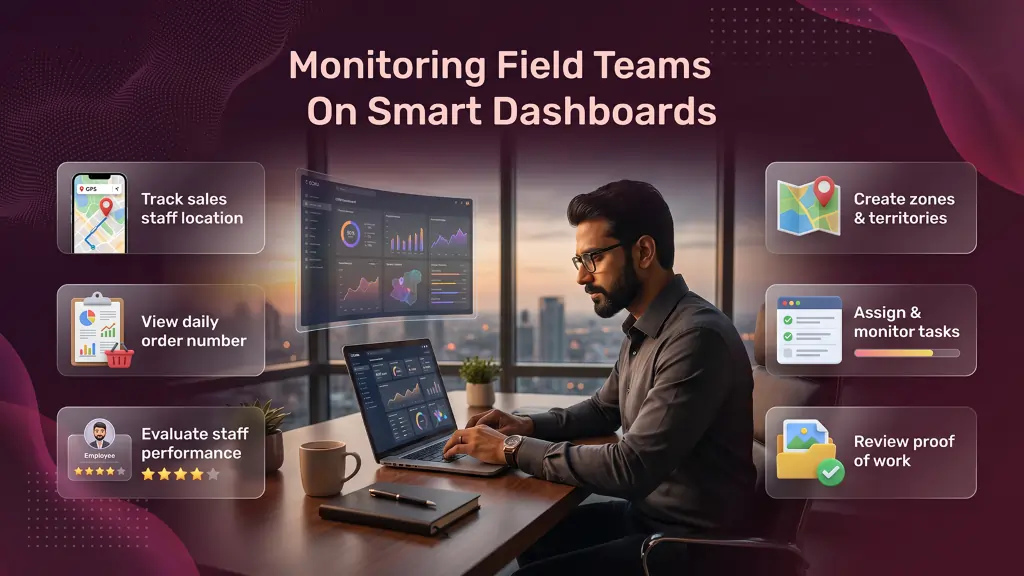
Monitoring Field Teams On Smart Dashboards
4. Sales Strategy Execution
Managers ensure that company strategies are followed on the ground. They guide teams on how to approach customers and execute sales campaigns. Managers provide detailed instructions in tasks and conduct regular trainings.
5. Problem Solving & Support
Field teams face many challenges like delays, missed visits, or customer unavailability. Managers support their teams by using their experience to solve problems quickly – rescheduling tasks or rerouting agents to ensuring smooth operations.
What are the Top Skills Needed for a Field Sales Agent?
A field sales rep needs strong communication, digital literacy, and good product knowledge among others. Learn in detail.
1. Communication Skills
Communication skills are critical to achieve success in sales. Therefore, reps should be able to explain products clearly and confidently. They should answer any questions customers have in detail and handle objections easily. Good communication builds rapport with the customers and improves chances of closing deals.
2. Digital Literacy
Automation, AI, and digitalisation have made their way into sales operations as well. So, salesmen need to have basic digital literacy. It helps them in:
- Executing tasks on time
- Navigating routes in cities and rural areas
- Checking reports and self-performance
- Marking attendance and raising leave requests
- Collecting digital proof of work
Digital literacy improves productivity and reduces wasted effort, allowing agents to visit more customers and cover more locations without delays.
3. Negotiation Skills
Sales reps should possess sufficient negotiation skills. They should how to negotiate prices and make profitable deals and ensure that both the customer and the business benefit from the deal.
4. Good Product Knowledge
Customers are more likely to buy a product when the salesmen is confident and knowledgeable about it.
5. Adaptability & Problem Solving
Field conditions can change quickly. Salesmen must adjust to different situations and solve problems on the spot. Whether it’s navigating new routes or completing ad-hoc tasks, field staff must be quick on their feet.
6. Relationship Building
Field sales is not just about selling. It is also about maintaining long-term connections. With good word of mouth in the market and among regular customers, businesses get consistent high-quality leads. So, ensure you offer regular follow-ups and special discounts to regular customers.
Conclusion
Field sales still drives revenue and builds solid customer relationships for most businesses. But managing field teams isn’t simple anymore, especially without smart, AI-powered digital tools. Field managers end up juggling delayed tasks, messy workflows, and lagging productivity.
The solution? Field force automation software that let you track sales activities, assign tasks, and check on staff performance instantly. Managers get real-time updates on where their teams are and what they’re up to. So, they’re in control and can act faster.
With the right field sales management app like TrackoField, sales staff can seamlessly handle visits, capture data, and execute tasks. It eliminates unnecessary time and efforts spent on manual work.
Want to stay ahead of your competition? You need field sales management software like TrackoField. Book a free demo and see how it can streamline your sales workflow.

Frequently Asked Questions
-
How does field sales operations work in the modern day?
Modern field sales operations involve both people and technology. Salesmen visit customers in person to explain products and close deals. They also use mobile apps to execute tasks, collect data, and navigate routes. Managers can see task progress in real time and guide sales teams accordingly.
-
How are field sales different from inside sales?
Field sales activities happen outside the office. Sales reps meet customers in person. Inside sales happens within the office via phone calls, emails, or video calls. Field sales focus on face-to-face interaction, while inside sales relies on remote communication with clients.
-
Which software is the best for field sales management?
The best software for field sales management depends on your business requirements. Good tools help with tracking, task management, and reporting. Software like TrackoField, Lystloc, and Unolo are commonly used. They are easy to use and help manage field teams better.
-
What are the challenges faced by field sales teams and how can they be tackled?
Field sales teams face problems like travel delays, poor planning, and lack of visibility. They often miss visits, go over-budget or waste time doing admin tasks. These challenges can be tackled using smart task allocation, beat planning, and using mobile tools that help track activities and improve staff coordination.
-
How to manage a field sales team effectively?
To manage a field sales team, set clear targets and assign tasks properly. Track daily activities and give regular feedback. Use simple tools to monitor work. Support your team when needed and make sure they follow a clear process.
-
How do you track field sales representatives offline?
Field sales staff can be tracked offline using mobile apps like TrackoField. It allows sales reps to execute tasks, mark attendance and upload forms without internet. The data is saved on the device and synced later when the internet is available.

Mudit is a seasoned content specialist working for TrackoField. He is an expert in crafting technical, high-impact content for Field force manage... Read More



Related Blog

Face Recognition: What It Is, How It Works & Benefits for Field Teams
Facial recognition is a way of identifying or confirming an individual’s identity using their facial features. Read this guide to…
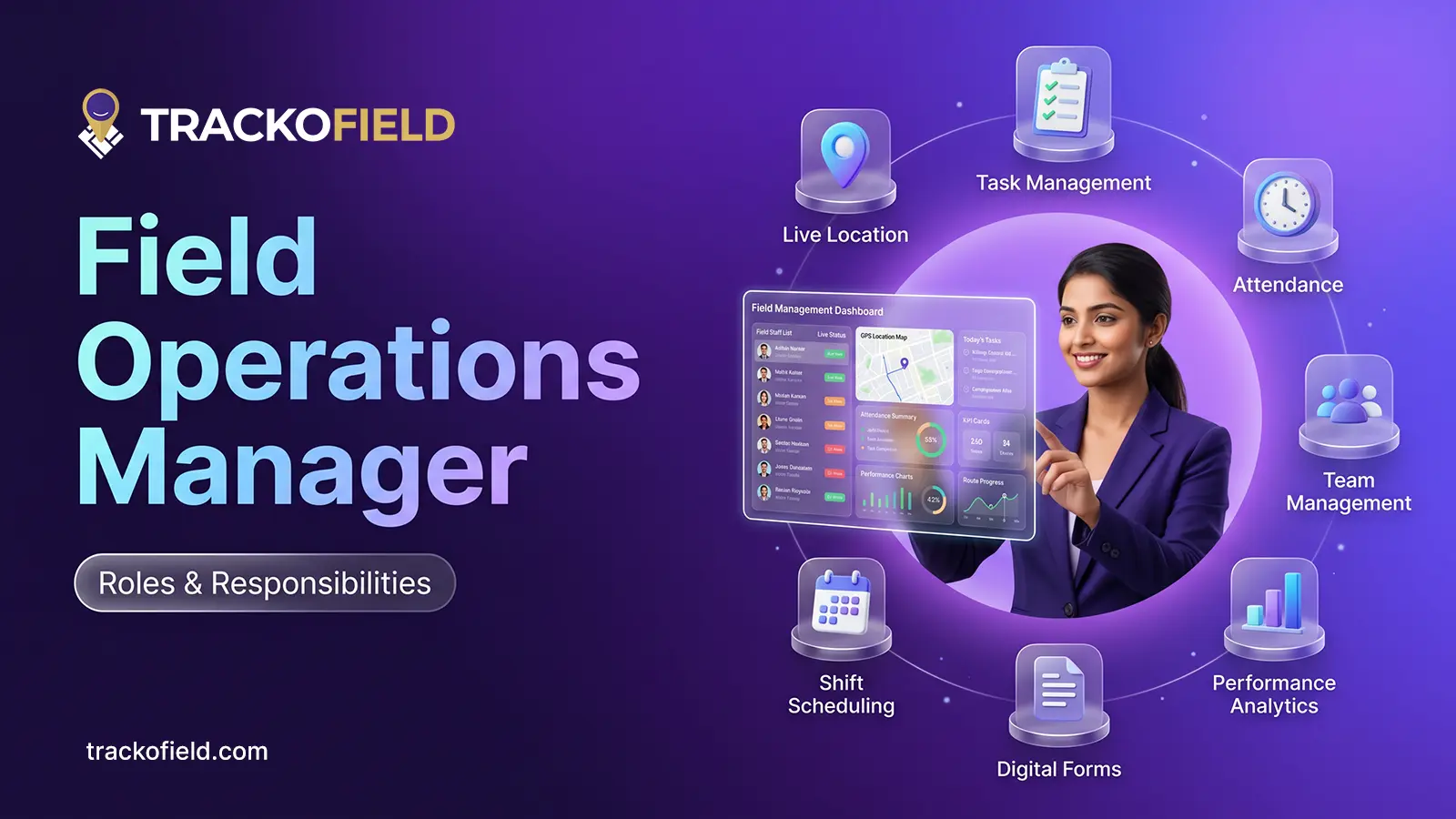
Field Operations Manager: Roles, Challenges & How to Optimize Performance
Field operations managers handle on-ground activities with challenges like visibility, control, and coordination. This blog covers their roles, key challenges,…

What is Face Recognition Attendance Software & How Does It Work?
This blog explains the concept of face recognition attendance software. We will also explore how it enhances attendance monitoring for…

How TrackoField Stops GPS Spoofing and Buddy Punching in Field Teams
Your field team’s attendance data looks clean. The question worth asking is whether it’s real. Here’s how GPS spoofing actually…


Your inbox awaits a welcome email. Stay tuned for the latest blog updates & expert insights.
"While you're here, dive into some more reads or grab quick bites from our social platforms!"Stay Updated on tech, telematics and mobility. Don't miss out on the latest in the industry.