
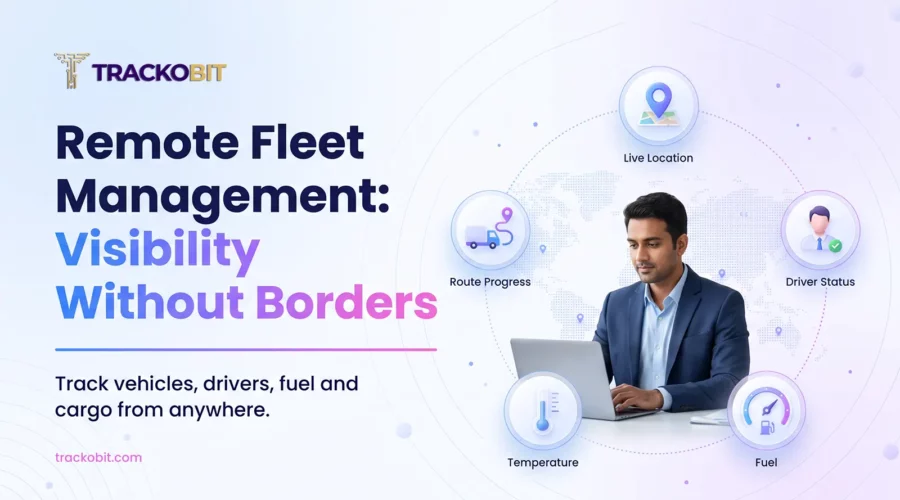
Remote fleet management is the practice of monitoring vehicle location, driver behaviour, fuel usage, and cargo temperature from anywhere using GPS and telematics on a single dashboard.
A fleet manager used to need eyes on a vehicle, or a phone call to a driver, to know where a truck was and whether it was running on schedule. Remote fleet management removes that dependency. Location, fuel, temperature, and driver behaviour data now arrive on one screen in real time, regardless of where the fleet manager happens to be.
What is Remote Fleet Management?
Remote fleet management removes the need to be physically present with a fleet in order to run it. GPS devices, onboard sensors and telematics software send data straight to a cloud platform. From there, it shows up on one dashboard, covering location, performance and vehicle condition.
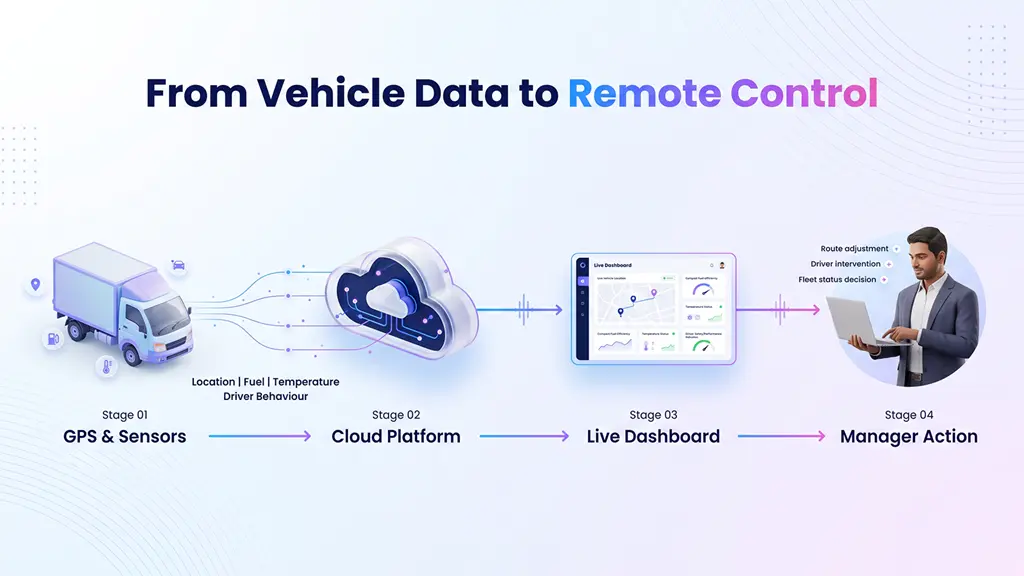
How fleet data moves from vehicle to remote decisions
Fleets didn’t always work this way. Oversight used to depend on radio check-ins, paper logs, or a dispatcher tied to one desk tracking vehicles by hand. Remote fleet management doesn’t care where the fleet manager is sitting. Head office, home, mid-flight, it makes no difference. The data lives in the cloud, not on a machine in one building, so the view stays the same regardless.
Read Blog – What Is Fleet Operations
Why Remote Fleet Management Matters in Modern Logistics
Fleets today cover more ground, with more distributed teams and tighter delivery windows than they did ten years ago. A dispatcher responsible for 200 vehicles across several cities can’t run that on phone calls.
This is the gap remote fleet management closes. A fleet manager can see where every vehicle is, whether deliveries are on track, and if a driver needs help, all from the desk. This matters most in last-mile delivery, cold chain logistics and field service. A delay or a temperature breach there costs real money and can’t wait. EnVue Telematics has made a similar point: connected fleet technology isn’t just a day-to-day tracking tool, it shapes how businesses plan for the long run.
Benefits of Remote Fleet Management
Continuous visibility changes what a fleet manager can actually do day to day. Here’s where it shows up most.
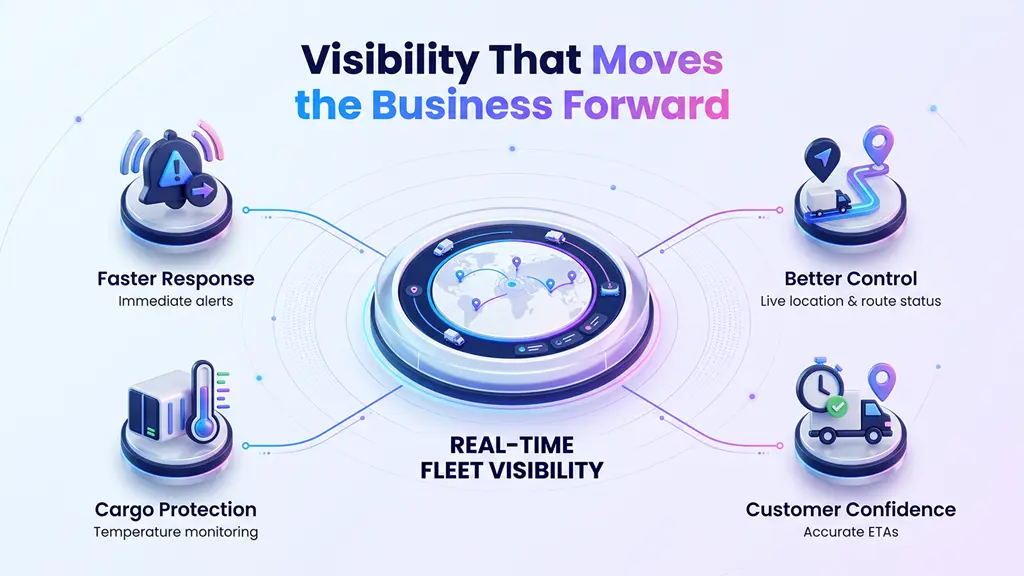
Visibility That Moves the Business Forward
1. Real-time visibility
Vehicle location, route progress, and driver status. Fleet managers see it as it happens, not hours later in a report.
2. Faster response to issues
A route deviation. A harsh brake. A maintenance alert. Each one reaches the fleet manager the moment it happens, so a small problem gets fixed before it turns into an expensive one.
3. Oversight from anywhere
Monitoring stops being tied to a single control room. A dispatcher with an internet connection can run the fleet from wherever they are.
4. Protection for temperature-sensitive cargo
For fleets carrying perishables or pharmaceuticals, this isn’t optional. Manually monitored food fleets average an 11.4% temperature excursion rate. Fleets that switch to real-time monitoring have cut that by up to 84%, which shows up directly in product quality and fewer spoilage losses.
5. Stronger driver accountability
Harsh braking, speeding, idling, all of it is visible as it happens rather than surfacing only after a complaint or an incident.
6. Better customer communication
Live, accurate ETAs are only possible once dispatch actually knows where every vehicle is in real time.
How Remote Fleet Management Reduces Costs?
No single feature drives this. It’s the compounding effect of having continuous visibility.
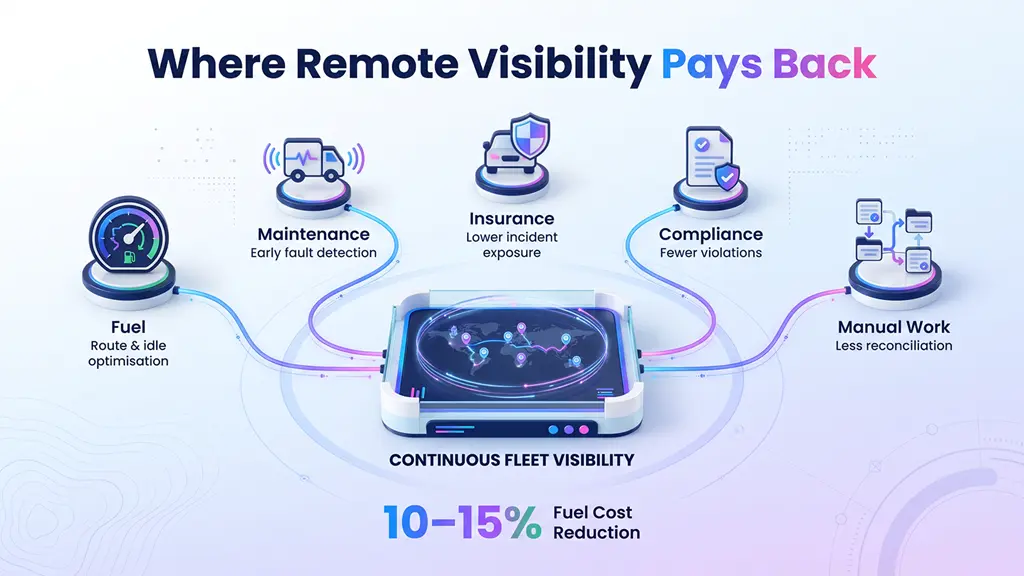
Where Remote Visibility Pays Back
1. Fuel savings through route optimization – Inefficient routes and excessive idling get caught as they happen, not weeks later in a fuel report. Once route optimisation and idle monitoring are in place, fleets typically see fuel costs drop 10% to 15%, backed by systems tracking consumption per vehicle.
2. Lower maintenance costs – Real engine data flags problems early, before they turn into breakdowns. Catch it there, and you skip the expensive part: reactive repairs and downtime nobody planned for.
3. Lower insurance premiums – Fleets that can show consistent monitoring and lower incident rates are increasingly seeing that reflected in premiums. In cold chain fleets specifically, real-time monitoring adoption has been linked to premium reductions of 8% to 15% at renewal.
4. Fewer compliance penalties – Continuous monitoring of driver hours and vehicle condition brings down the risk of regulatory violations, and the fines that come with them.
5. Less time on manual checks – Physical spot-checks and manual log reconciliation stop being necessary, which frees up dispatcher time for work that actually needs a person.
Essential Features to Look for in Remote Fleet Management Software
Not every platform delivers on the “remote” part equally. These are the features worth checking for before you commit to one.
- Real-time GPS tracking – Updates every minute, not the occasional ping.
- Location monitoring on the go – Works from a browser or a phone, so nobody’s stuck at one desk to check it.
- Fuel monitoring – Consumption, theft alerts, cost-per-mile, all tracked.
- Temperature and cargo monitoring – For perishable or regulated goods, with alerts the moment a threshold gets crossed.
- Geofencing and route alerts – Unauthorised stops or deviations get flagged automatically, no one has to catch it manually.
- Driver behaviour monitoring – Harsh braking, speeding, idling, all captured.
- Cloud-based dashboard – Open from any device. If the data’s stuck on one machine, remote management doesn’t really work.
- System integration – The platform should talk to dispatch, maintenance and accounting, not sit off to the side on its own.
How AI is Transforming Remote Fleet Management
AI is what turns remote fleet data from something you look at into something that actually warns you. Instead of a fleet manager scanning dashboards manually, AI models now flag anomalies on their own, a temperature reading drifting towards a breach, a driving pattern that points to fatigue, a vehicle showing early signs of mechanical trouble.
This matters specifically because of what remote management demands. A fleet manager overseeing hundreds of vehicles can’t watch every data stream at once. AI-based alerting means the system tells you what needs attention instead of you having to go looking for it.
Why Businesses Choose TrackoBit for Remote Fleet Management
Every point in this piece comes down to one idea: visibility shouldn’t depend on physical presence. That’s exactly what TrackoBit’s fleet management software is built around, real-time GPS tracking, fuel and temperature monitoring, and driver behaviour analytics, all inside one cloud-based dashboard you can reach from anywhere.
For fleets running distributed operations across cities or regions, TrackoBit’s telematics bring location, vehicle health and driver data into one place, so nobody’s toggling between systems to get a full picture of fleet status. Teams evaluating remote fleet management software tend to prioritise reliability and ease of remote access first, and that’s exactly what the platform is built around.
Frequently Asked Questions
-
How does remote fleet management work?
GPS devices and onboard sensors installed in vehicles send location, performance and condition data continuously to a cloud-based platform, viewable from any device with an internet connection.
-
How does GPS tracking help fleet management?
It’s the foundation. Route optimisation, geofencing, delivery ETAs and theft prevention all depend on the real-time location data GPS provides.
-
Can remote fleet management improve driver safety?
Yes, real-time behaviour monitoring, tracking harsh braking, speeding and fatigue-related patterns, lets fleet managers coach drivers before an issue turns into an incident.
-
How can I track my fleet remotely?
Fleet managers use a cloud-based platform that shows live vehicle location, route progress and driver status on a dashboard, accessible from a browser or mobile app, regardless of where the manager is.
-
How can remote fleet management reduce fuel costs?
By catching inefficient routes, excessive idling and fuel-wasting driving behaviour as they happen, so fleet managers can fix it immediately instead of finding out in a monthly report.
-
Is cloud-based fleet management secure?
Reputable platforms use encrypted data transmission and secure cloud infrastructure, similar to standards used in banking and healthcare software. Specific security measures vary by provider and should be confirmed before adoption.

Apoorva Raizada is the Content Marketing Manager at TrackoBit. With over a decade of experience across media, advertising, and B2B SaaS, she brings a sharp editorial mindset to technology-led business... Read More


Related Blog
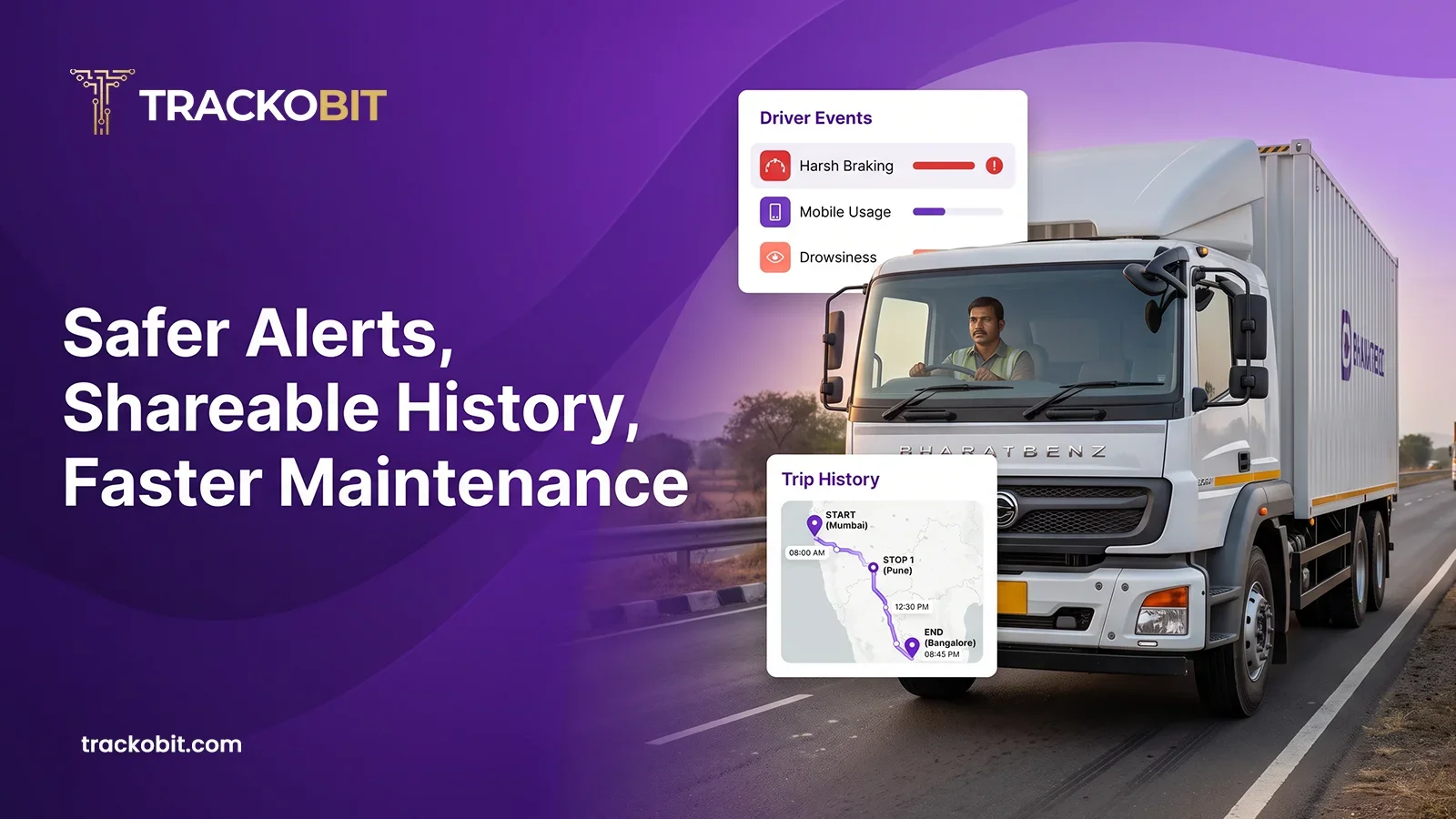
Safer Alerts, Shareable History, Faster Maintenance in TrackoBit
TrackoBit now adds an Evidence Model and authority-based access for ADAS and DMS alerts in video telematics, Vehicle History Sharing…
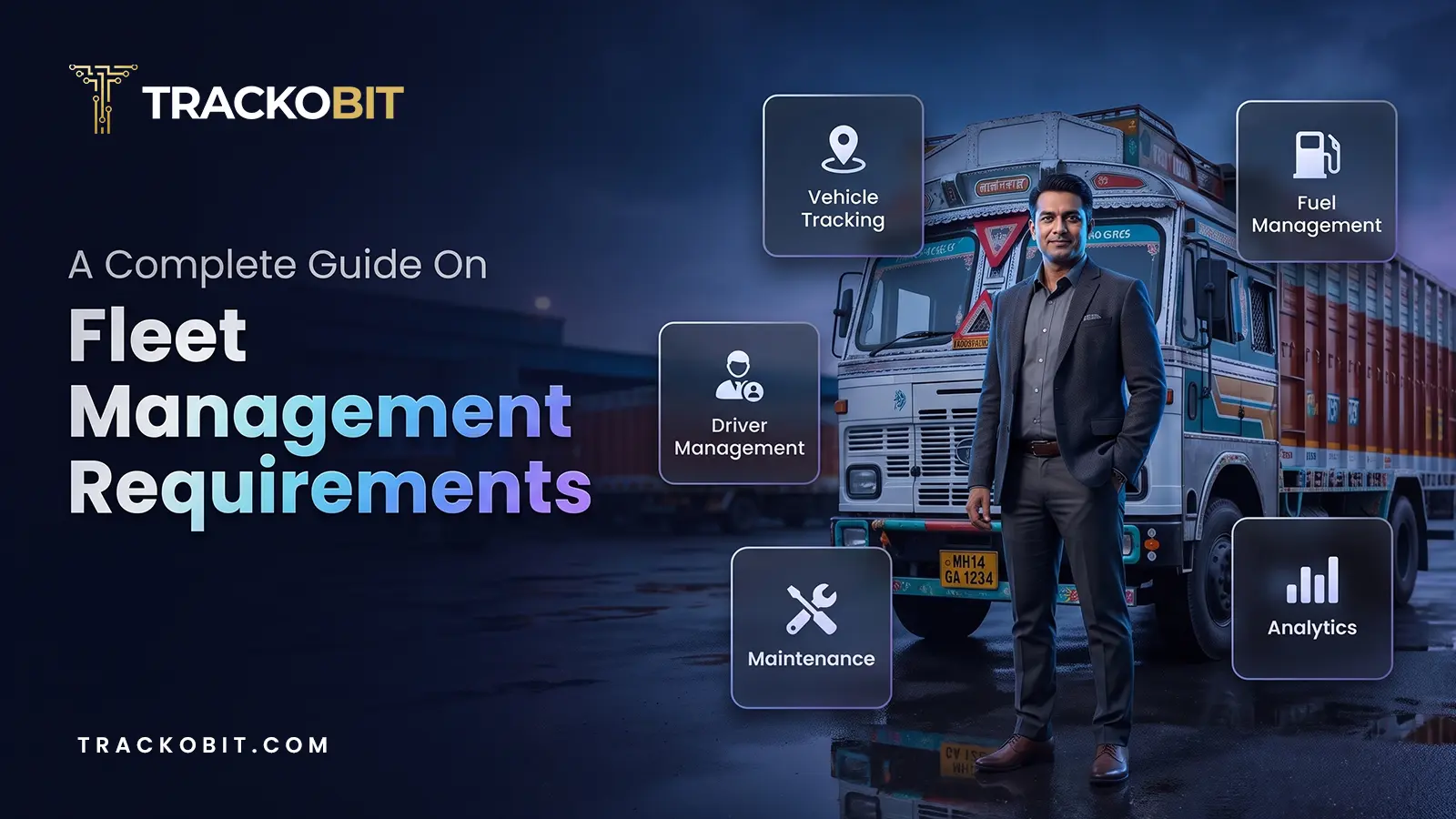
Fleet Management Requirements: The Complete Guide for 2026
Every wondered what exactly fleet management requirements are? Or, why do they matter? This guide helps you understand in detail.
7 Fleet Management Best Practices Every Fleet Manager Needs
Learn 7 fleet management best practices to improve safety, vehicle utilization, efficiency, and fleet performance in 2026.
What Are the Roles and Responsibilities of a Fleet Owner?
Behind every well-run fleet is a fleet owner juggling tasks like vehicle maintenance and driver management without letting anything fall…


Your inbox awaits a welcome email. Stay tuned for the latest blog updates & expert insights.
"While you're here, dive into some more reads or grab quick bites from our social platforms!"Stay Updated on tech, telematics and mobility. Don't miss out on the latest in the industry.