
Advanced Driver Assistance Systems (ADAS) Software for Fleet Safety
TrackoBit’s ADAS system uses visual intelligence to monitor driving practices, prevent accidents, and improve fleet safety in real time.
- Detect unsafe driving events instantly
- Improve driver safety with real time alerts
- Prevent accidents with visual monitoring
- Capture video evidence for every incident
- Gain full visibility into driver behavior
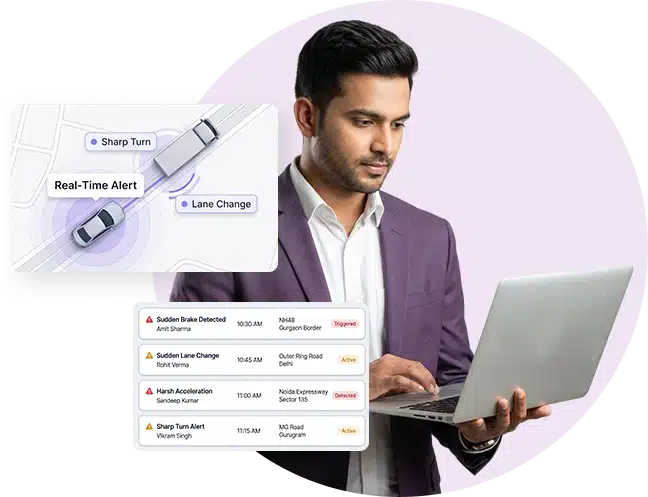
Powering Safety for 500,000+ Fleet Vehicles










What is ADAS (Advanced Driver Assistance System)?
Learn MoreAdvanced Driver Assistance Systems (ADAS) is a vehicle safety technology that uses AI-enabled dashcams, sensors, and analytics to detect road risks and assist drivers in real-time. In fleet operations, TrackoBit’s ADAS integrates video telematics and driver behavior monitoring to deliver actionable safety insights.
Why is ADAS Important for Fleet Businesses?
Fleet safety risks arise from distraction, fatigue, overspeeding, and unsafe driving behavior. Traditional GPS tracking cannot detect these risks. ADAS powered by video telematics bridges this gap.
- Reduce accident-related operational costs and downtime
- Prevent insurance claim escalations with video evidence
- Identify high-risk driving patterns proactively
- Improve driver accountability across distributed fleets
- Strengthen compliance and audit readiness
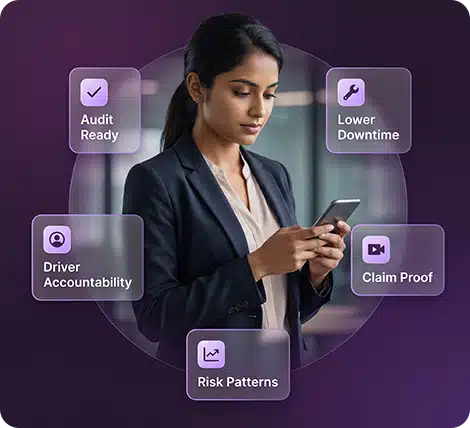
ADAS Platform for Fleet Safety and Operations
TrackoBit delivers a comprehensive ADAS platform designed for commercial fleet environments. The system combines AI-powered video monitoring with telematics data to provide deeper visibility into driver behavior and road safety.
High Accuracy Sensing
TrackoBit’s ADAS uses AI-powered cameras and computer vision models. These capabilities allow fleets to detect vehicles, lane markings, and road hazards in real time while supporting accurate safety event detection.
- Detect collision risks early
- Identify unsafe vehicle proximity and tailgating
- Recognize lane deviations instantly
- Monitor road conditions with visual intelligence
- Improve driver awareness with real-time alerts
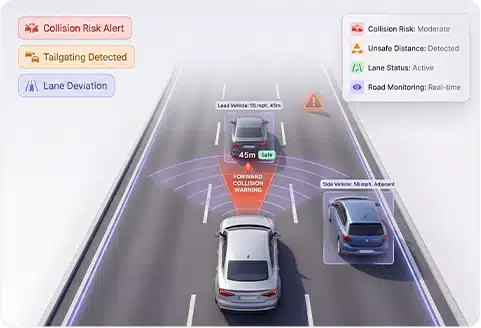
Real Time ADAS Event Processing
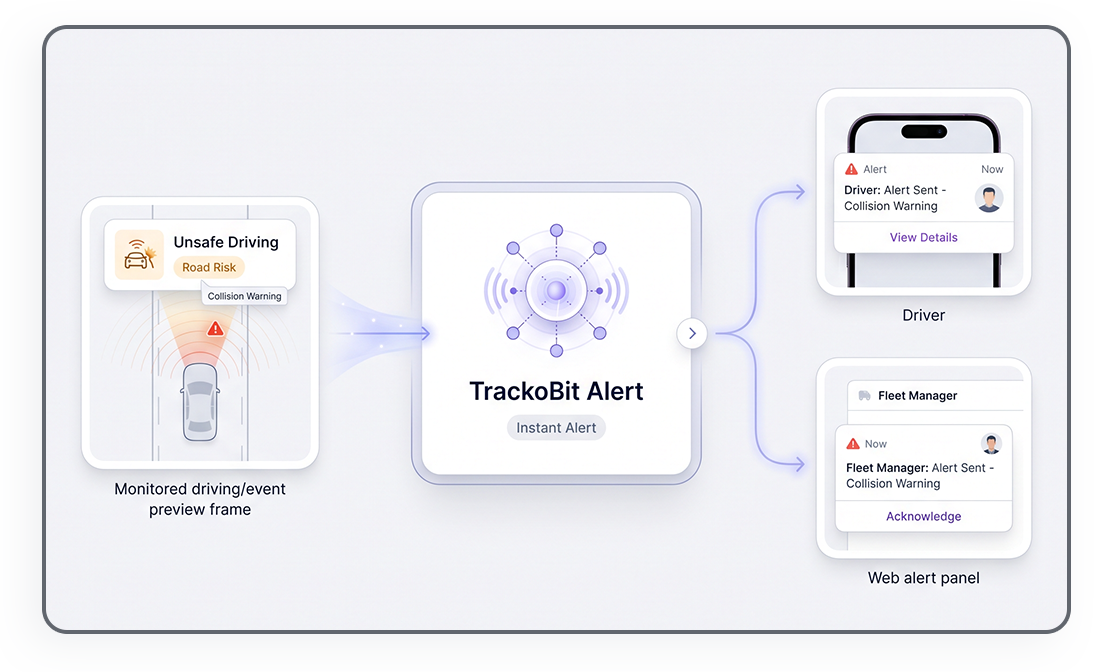
Modern ADAS technology continuously analyses road conditions and driving patterns to detect safety events as they occur. Instant alerts notify drivers and fleet managers whenever risky driving situations such as lane departure or collision risk are identified.
- Receive alerts for collision risks
- Detect lane departure and unsafe driving events
- Monitor safety alerts across vehicles instantly
- Respond faster to dangerous driving situations
- Strengthen proactive fleet safety management
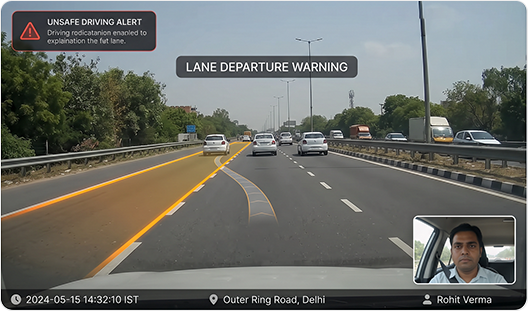
Incident Investigation & Compliance
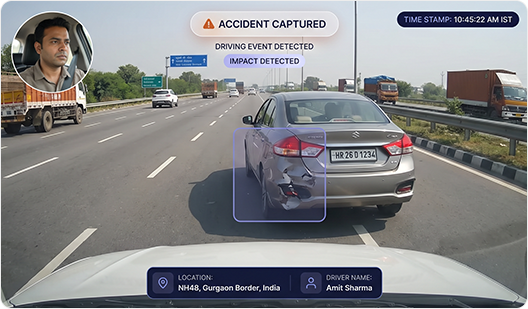
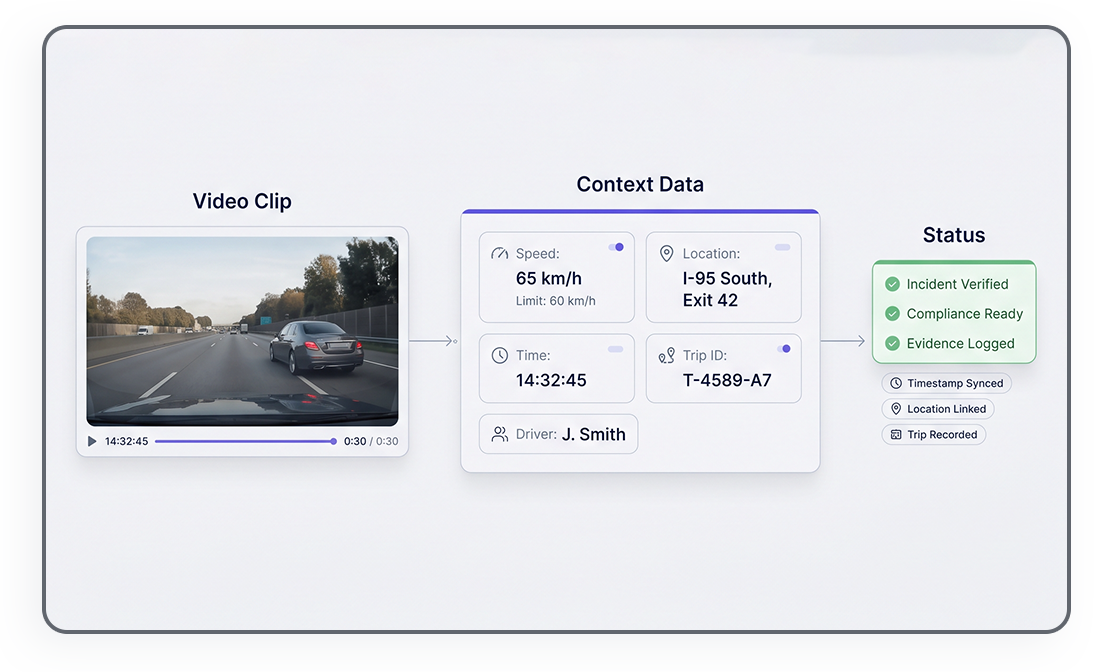
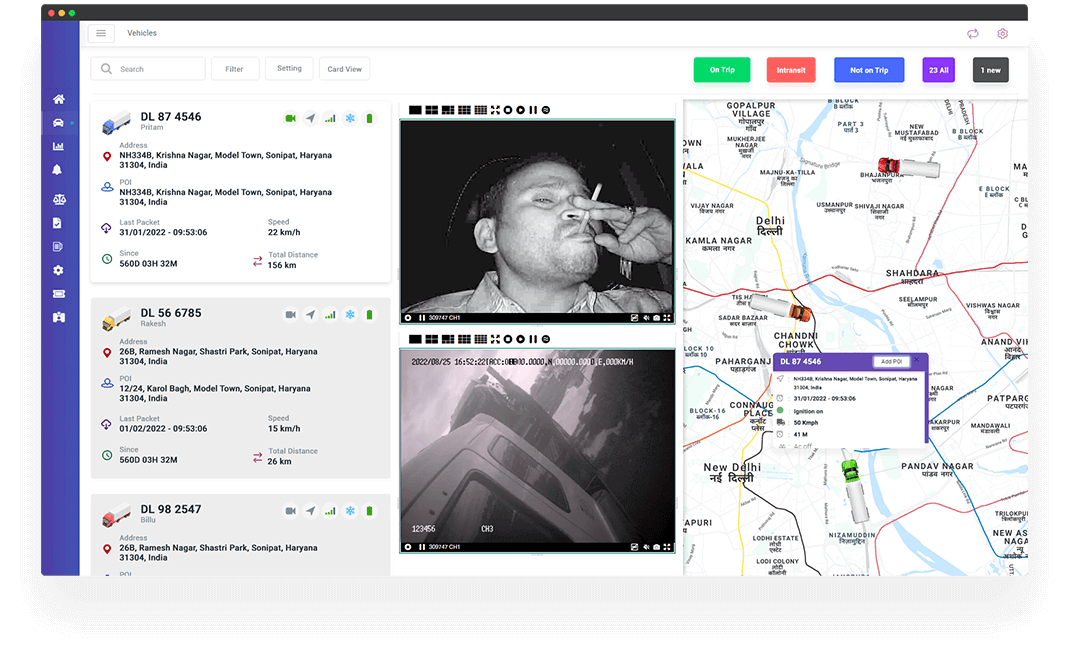
An ADAS solution powered by video telematics captures critical driving events with synchronized video clips and telematics data. This enables fleets to review incidents with full context and understand what happened before and during the event.
- Investigate accidents using clear visual evidence
- Resolve insurance disputes faster
- Identify driver accountability during incidents
- Analyze safety events with contextual video data
- Strengthen fleet safety programs
Collision and Safe Distance Monitoring
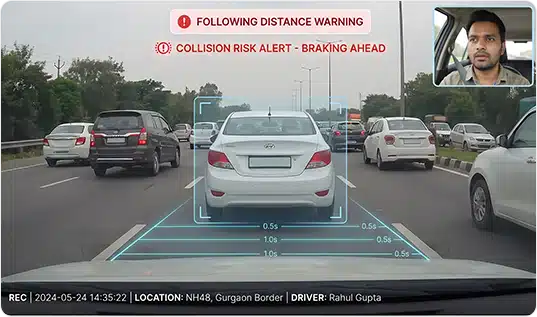
Road facing cameras and computer vision models within an advanced driver assistance system continuously monitor vehicle proximity and traffic conditions. When unsafe following distance or sudden braking ahead is detected, the system triggers instant alerts to help drivers react in time and prevent collisions.
- Detect potential collision risks in real time
- Maintain safe following distance between vehicles
- Prevent rear end accidents during sudden braking
- Improve driver response in critical situations
- Reduce accident-related downtime
How Does ADAS Work?
TrackoBit’s ADAS combines AI dashcams with its telematics platform to detect, analyse, and act on safety events across fleet operations in real time.
1. Capture via AI Dashcams
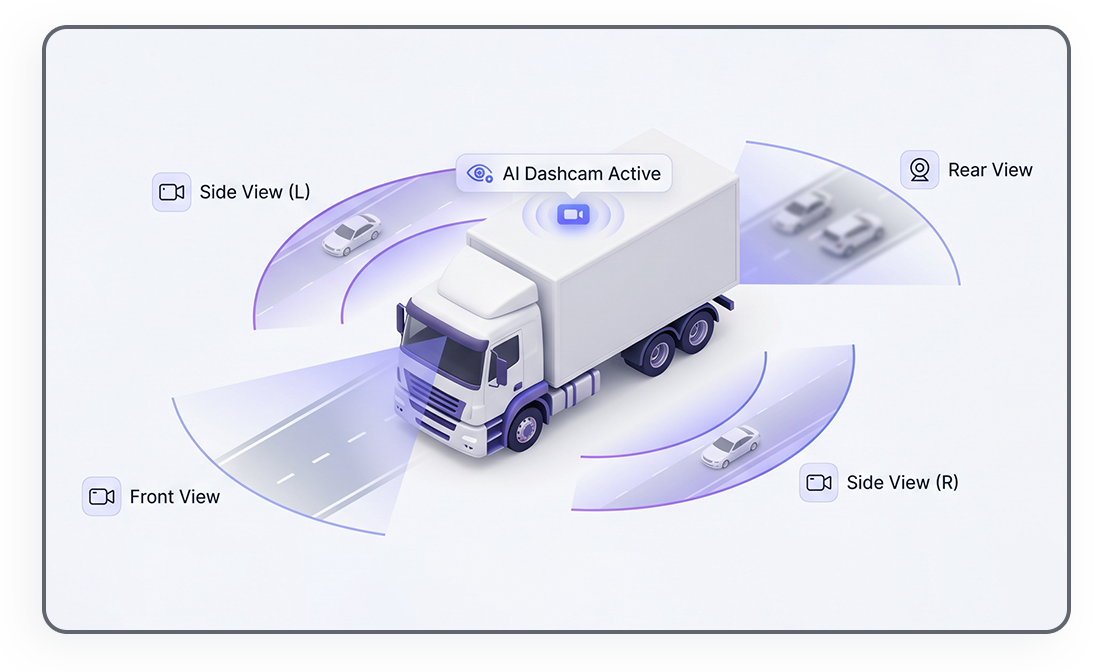
AI dashcams installed across vehicles capture continuous video of the road and surroundings, covering front, rear, and side views based on fleet requirements.
2. Detect ADAS Events
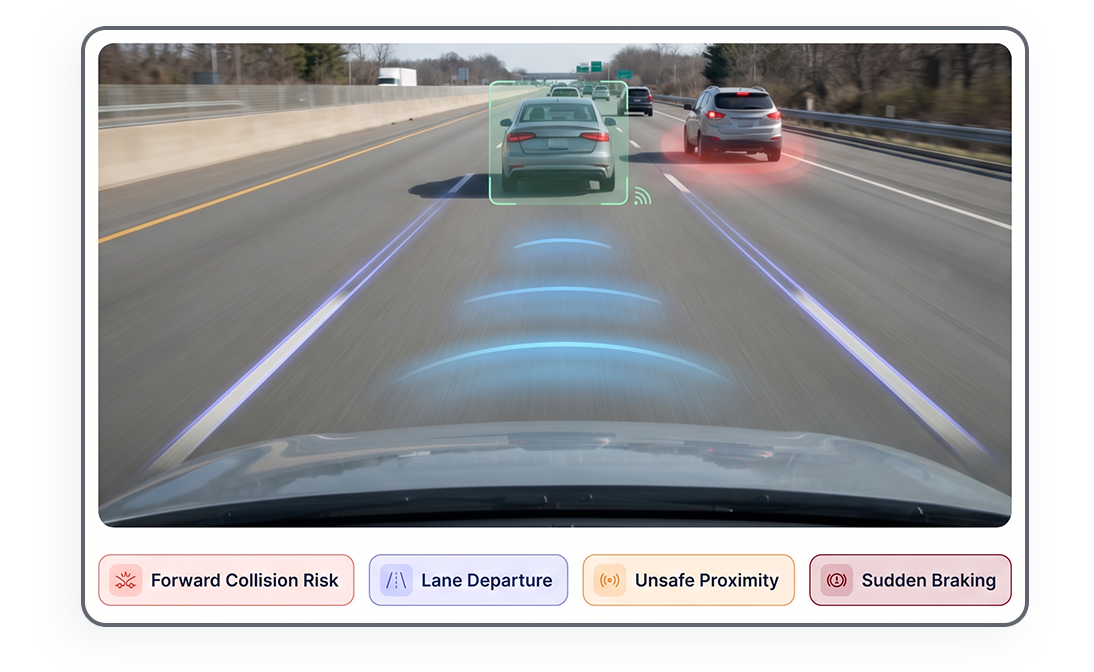
On-device and cloud-based models detect ADAS events such as forward collision risk, lane departure, unsafe proximity, and sudden braking from the video feed.
3. Process on the Platform
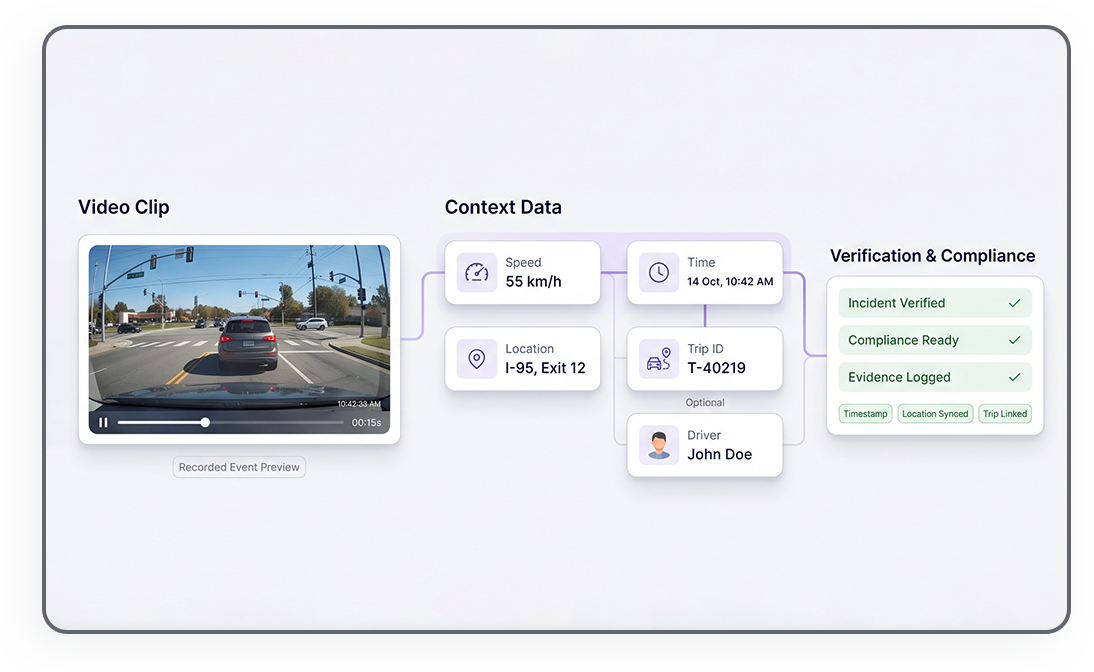
Captured events are processed within the TrackoBit platform, where video data is synced with telematics inputs like speed, location, and trip details.
4. Trigger Real Time Alerts
Instant alerts are sent to drivers and fleet managers through the platform whenever unsafe driving events or road risks are detected.
5. Store Video Evidence
Each event is recorded with video clips and contextual data, enabling accurate incident verification and compliance tracking.
6. Drive Safety Improvements
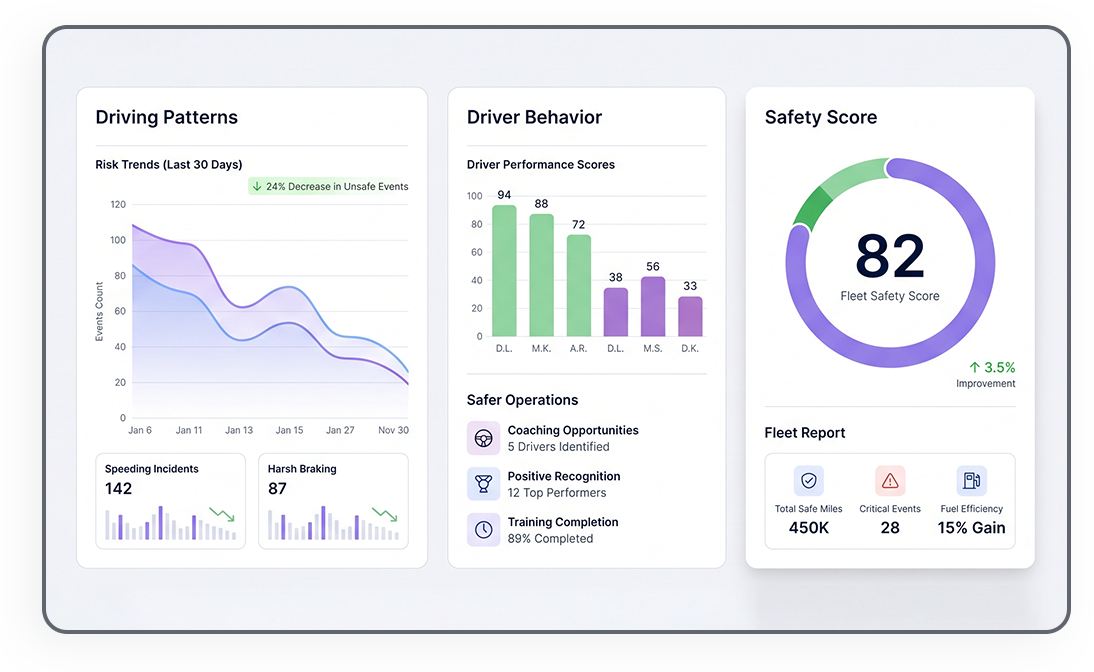
Fleet managers use dashboards and reports to analyze driving patterns, improve driver behavior, and strengthen overall fleet safety.
Key ADAS Features and Benefits for Fleets
These ADAS features help fleets prevent accidents, gain visibility into driving events, and strengthen proactive safety management.

Forward Collision Warning
Detect potential collision risks in real time using camera-based sensing and alert drivers when unsafe proximity with vehicles ahead is identified.

Lane Departure Detection
Monitor lane positioning and detect unintended lane drifting to alert drivers instantly and reduce highway accident risks.

Unsafe Monitoring
Continuously track vehicle proximity and identify unsafe following distance to prevent tailgating and sudden braking incidents.

Video Evidence Capture
Capture critical driving events with synchronized video telematics and contextual data for accurate incident verification.

Incident Dashboard
Review safety events with video clips, trip data, and telematics insights to analyze incidents and improve fleet safety decisions.

Driver Safety Analytics
Analyse driving patterns, safety events, and risk trends to identify high risk drivers and improve overall fleet performance.

Real Time ADAS Alerts
Receive instant alerts for safety events such as collision risks, lane departure, and unsafe driving conditions across the fleet.

Multi Camera Monitoring
Leverage cameras installed across the vehicle to monitor road conditions and surrounding activity for improved situational awareness.

Centralized Fleet Insights
Access all ADAS events, video data, and performance insights in one platform to manage fleet safety and operations more efficiently.
ADAS Software Compatible With Your Existing
Hardware
Our ADAS Software works on video telematics solutions that can integrate and support any hardware from the biggest to the smallest GPS tracker manufacturers in the world.
- 1500+ devices/sensors integrated
- Direct and indirect pressure monitoring
- Technical troubleshooting via SMSs
- AIS 140 GPS Tracking Devices
ADAS Fleet Management
One Platform for Safety and Operations
Gain full control over your fleet with a unified telematics platform. Monitor vehicles, track driver activity, analyze operational data, and respond to incidents in real time to keep fleet operations smooth and well organized.
Route Management System
Plan and manage routes efficiently based on road conditions and resource availability to improve fleet productivity and utilization.
View Route ManagementDriver Behavior Monitoring
Monitor driver performance and detect unsafe driving patterns to promote safer driving practices and reduce accident risks.
View Driver Behavior MonitoringFuel Management Solutions
Track fuel consumption and detect fuel misuse to control fuel expenses and improve overall fleet efficiency.
View Fuel ManagementVideo Telematics
Gain visual visibility into fleet activity with real time video insights that help detect risks and prevent on road incidents.
View Video Telematics- Start tracking with TrackoBit and access a complete suite of fleet management solutions
Driver Monitoring System (DMS) for Behavior Intelligence
Enable real-time, in-cabin visibility into driver behavior with AI-powered monitoring. TrackoBit’s DMS identifies fatigue, distraction, and unsafe actions as they occur, helping teams intervene faster and reduce on-road risks. Leverage behavior intelligence to improve compliance, enforce safety standards, and optimize driver performance at scale.
- Monitor fatigue, distraction, and inattentive driving in real time
- Trigger instant alerts for unsafe behavior
- Analyze behavior data to flag high-risk drivers
- Strengthen compliance and reduce incident exposure
TrackoBit is a Recognized Leader in ADAS Software




Frequently Asked Questions
-
Who can use an advanced driver assistance system?
Any operator whose drivers spend long hours on the road can use it. This includes trucking and logistics companies, bus and school transport providers, cab and rental fleets, and construction or mining operators running heavy vehicles. The system warns drivers about lane departures, tailgating, and possible collisions in real time.
-
What are the levels of ADAS?
ADAS levels range from level 0 to level 5, defining how much driving assistance or automation a vehicle provides. Most commercial fleet vehicles operate at Level 1 or Level 2, where advanced driver assistance systems provide warnings, monitoring, and partial driving assistance while the driver remains fully responsible.
-
What is the future of ADAS technology?
The future of ADAS technology focuses on improving vehicle intelligence, automation, and road safety. Advancements in artificial intelligence, sensor technology, and computer vision are making advanced driver assistance systems more accurate and reliable. These innovations will gradually enable higher levels of vehicle automation and safer transportation.
-
What are the components of an ADAS system?
An advanced driver assistance system typically includes cameras, radar sensors, LiDAR, onboard processors, and AI algorithms. These components collect and analyze environmental data around the vehicle. The system then identifies potential risks such as nearby vehicles, lane boundaries, or obstacles and triggers alerts or assistance features.
-
How does ADAS improve fleet safety?
ADAS improves fleet safety by detecting risky driving situations and alerting drivers before accidents occur. Features like collision warnings, lane monitoring, and proximity detection help drivers react faster. When combined with video telematics, fleets can also review incidents and improve driver training and safety compliance, as highlighted in these 8 tips on how to ensure fleet safety.
-
What are the limitations of ADAS systems?
ADAS limitations include sensor impairment from bad weather or dirty hardware, difficulty recognizing faded lane markings, and driver overreliance, as these systems assist rather than replace active driver supervision and intervention.
-
What are the types of ADAS applications?
ADAS applications include safety features that help detect risks and assist drivers while driving. Common ADAS applications include forward collision warning, lane departure warning, adaptive cruise control, traffic sign recognition, blind spot monitoring, and parking assistance. These systems help drivers stay aware of road conditions and surrounding vehicles.
-
What is the difference between passive and active ADAS?
Passive ADAS systems provide warnings or alerts to drivers when a potential hazard is detected. Active ADAS systems go further by automatically assisting the driver through actions such as automatic emergency braking or adaptive cruise control. Both technologies work together to improve road safety and reduce accident risks.
-
How is ADAS technology developed?
ADAS technology is developed using a combination of hardware sensors, artificial intelligence models, and vehicle software systems. Engineers train computer vision algorithms using large datasets to detect vehicles, road signs, and obstacles. These systems are tested extensively to ensure accuracy and reliability in different driving environments.
-
What role does video telematics play in ADAS?
Video telematics enhances advanced driver assistance systems by providing visual context for detected driving events. Cameras capture the road environment and record video evidence alongside telematics data such as speed and location. This helps fleet managers analyze incidents, understand driver behavior, and improve fleet safety monitoring.
Get In Touch
You Are Just One Step Away